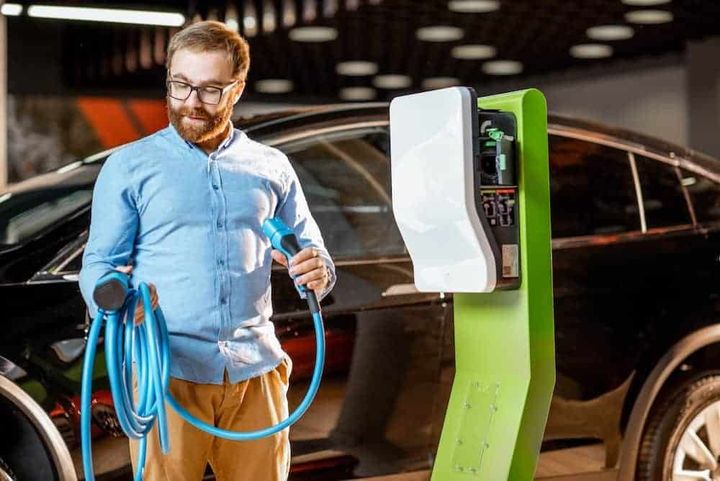
Electric Vehicle Charging Stations Overview: Discover Tips, Advice, and Helpful Resources
Electric vehicle charging stations are part of modern transportation infrastructure designed to supply electricity to plug-in vehicles. As electric mobility expands, these systems are becoming an essential layer of energy and transport planning across urban and rural environments.
They exist to support the transition away from fossil fuel dependence and to enable cleaner, more efficient transportation ecosystems supported by renewable energy charging stations and smart grid integration.
Context
Electric vehicle charging stations are physical points where electric vehicles connect to an electrical supply for battery charging. These stations range from slow residential units to high-power fast charging technology hubs located along highways and in commercial zones.
The concept developed alongside the growth of electric mobility and improvements in battery management systems. As vehicles began relying more on stored electrical energy, the need for structured electric vehicle charging infrastructure became essential.
Modern charging ecosystems are no longer isolated points. They are connected through IoT enabled charging stations, cloud monitoring platforms, and energy storage systems that help balance electrical demand across regions.
Importance
Electric vehicle charging stations play a central role in the shift toward sustainable transportation. They help solve several key challenges in modern energy and mobility systems.
They support reduced dependency on traditional fuels, lower environmental impact, and enable large-scale adoption of electric mobility. They also improve accessibility to energy for vehicles in both urban centers and remote travel corridors.
Key areas impacted include:
- Urban transportation planning
- Highway infrastructure development
- Commercial and logistics fleet electrification solutions
- Energy distribution and smart grid optimization
- Public and private transportation networks
A simple comparison highlights their importance:
| Area | Traditional Energy Systems | Electric Charging Networks |
|---|---|---|
| Energy Source | Fossil-based fuels | Electricity, renewable integration |
| Efficiency | Lower conversion efficiency | Higher energy efficiency |
| Infrastructure | Fuel distribution stations | Distributed charging points |
| Monitoring | Limited digital tracking | IoT-based real-time monitoring |
Electric vehicle charging infrastructure also reduces pressure on traditional energy distribution systems by enabling load balancing and time-based energy distribution.
Recent Updates
Over the past year, electric vehicle charging networks have seen significant developments focused on speed, accessibility, and energy optimization.
Some key trends include:
- Expansion of ultra-fast charging hubs capable of reducing charging duration significantly compared to earlier systems
- Integration of renewable energy charging stations powered by solar and wind energy sources
- Growth in smart grid integration allowing dynamic load balancing
- Increased deployment of modular charging units in commercial and residential zones
- Advancements in battery management systems improving charging efficiency and lifespan performance
A simplified trend overview:
Charging Speed Progression

Slow Charging      ██████████
Moderate Charging  ████████████████
Fast Charging      ██████████████████████
Ultra-Fast Tech    ████████████████████████████
Recent developments also show increased use of predictive analytics within charging networks. These systems forecast energy demand patterns and optimize distribution across multiple stations.
Laws and Policies
Electric vehicle charging stations are influenced by a range of regulatory frameworks focused on safety, energy efficiency, and environmental goals.
Common policy directions include:
- Standardization of charging connectors and interoperability requirements
- Safety guidelines for electrical installation and grid connectivity
- Incentive frameworks supporting electric mobility adoption
- Renewable integration targets within energy infrastructure planning
- Data transparency rules for smart grid systems and IoT enabled charging stations
Many regions are also developing long-term strategies that align electric vehicle charging infrastructure with national decarbonization goals. These strategies often emphasize grid stability, renewable energy usage, and digital energy management systems.
Regulations typically address:
- Electrical safety compliance
- Grid capacity management
- Energy distribution fairness
- Environmental performance standards
Tools and Resources
A wide range of digital and technical resources support the development and use of electric vehicle charging stations.
Common tools and platforms include:
- Charging station locator platforms that map available charging points
- Mobile applications that track charging status and station availability
- Energy monitoring dashboards for smart grid integration
- Fleet management platforms supporting large-scale electrification planning
- Simulation tools for designing electric vehicle charging infrastructure layouts
- Data analytics platforms for optimizing energy storage systems
- Route planning tools that integrate charging network coverage
These tools help users and planners understand charging demand, optimize station placement, and improve energy efficiency across networks.
FAQs
What are electric vehicle charging stations used for?
They provide electrical energy to recharge electric vehicle batteries and support daily transportation needs.
How do fast charging systems differ from standard charging systems?
Fast charging systems deliver higher power output, reducing the time required for battery recharge compared to standard systems.
What role does smart grid integration play in charging networks?
It helps balance electricity demand, improve efficiency, and integrate renewable energy sources into the charging ecosystem.
Are electric vehicle charging stations connected digitally?
Many modern systems use IoT enabled charging stations for real-time monitoring, maintenance, and usage tracking.
What is the importance of renewable energy in charging infrastructure?
Renewable energy reduces environmental impact and supports long-term sustainability in transportation energy systems.
Conclusion
Electric vehicle charging stations represent a critical part of modern transportation and energy systems. They connect mobility with electricity networks, enabling cleaner, more efficient, and digitally managed travel ecosystems.
As electric mobility continues to expand, advancements in electric vehicle charging infrastructure, smart grid integration, and renewable energy charging stations will shape how energy is distributed and used across transportation networks.