Dough Dividing Machines Explained: Discover Basics, Overview, Knowledge, Details, Facts, and Information
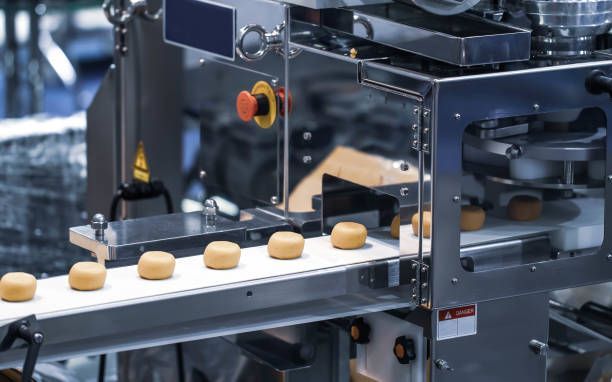
Dough dividing machines are specialized pieces of equipment used in bakeries and food manufacturing facilities to divide large quantities of dough into smaller portions of consistent size and weight. These machines were developed to improve accuracy, efficiency, and uniformity during the bread and baked goods production process.
Before automated equipment became common, dough was divided manually. While manual methods can be effective for small-scale production, they often require significant labor and may result in variations between portions. Dough dividing machines help address these challenges by creating standardized dough pieces that can move to the next stages of processing.
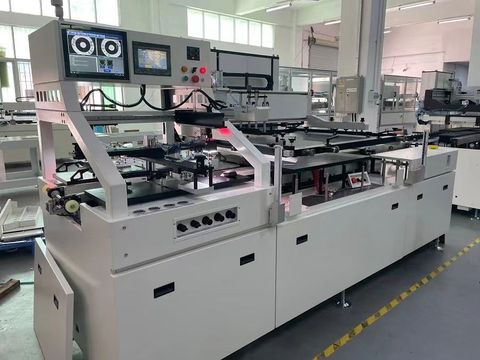
The machines are commonly used for products such as bread loaves, buns, rolls, pizza dough, pastries, and other baked goods. Modern equipment may include programmable settings, digital controls, and integration with broader food processing systems.
Why Dough Dividing Machines Matter
The growing demand for baked products has increased the importance of efficient food processing equipment. Dough dividing machines play a significant role in maintaining consistency across production batches.
Key benefits include:
- Improved portion accuracy
- Reduced material waste
- Better production efficiency
- Enhanced product consistency
- Support for food quality standards
- Reduced dependence on repetitive manual tasks
These advantages affect several groups, including bakery operators, food manufacturers, production managers, quality control teams, and consumers who expect consistent product sizes and quality.
The equipment also helps address challenges associated with scaling production. As bakery operations expand, maintaining uniformity across thousands of dough portions becomes increasingly difficult without automated systems.
Common Types of Dough Dividing Machines
Different production environments require different machine designs.
| Machine Type | Typical Application | Key Characteristic |
|---|---|---|
| Hydraulic Divider | Bread production | Uses hydraulic pressure |
| Volumetric Divider | Continuous production lines | Measures dough volume |
| Vacuum Divider | Sensitive dough products | Reduces dough stress |
| Manual Divider | Small bakeries | Operator-assisted process |
| Automatic Divider | Large facilities | High production capacity |
The choice of equipment depends on production volume, dough characteristics, and operational requirements.
Production Workflow Example
The following table illustrates a simplified workflow where dough dividing equipment is commonly used.
| Production Stage | Purpose |
| Mixing | Combine ingredients |
| Fermentation | Develop dough structure |
| Dividing | Portion dough accurately |
| Rounding | Shape dough portions |
| Proofing | Allow dough expansion |
| Baking | Produce final product |
| Packaging | Prepare for distribution |
Recent Updates and Industry Developments
The food processing equipment sector has experienced several notable developments during the past year.
In 2025 and early 2026, manufacturers increasingly focused on automation, digital monitoring, and production efficiency. Many modern dough dividing systems now incorporate touch-screen controls, production analytics, and integration with smart manufacturing environments.
Several industry trends have gained attention:
- Increased adoption of automated bakery equipment
- Expansion of smart factory technologies
- Greater emphasis on energy efficiency
- Improved sanitation-focused machine designs
- Enhanced data monitoring capabilities
- Integration with predictive maintenance systems
Another significant trend involves equipment designed to minimize dough stress. Manufacturers continue developing technologies that preserve dough structure while maintaining high production speeds.
Sustainability has also become an important consideration. New equipment designs often focus on reducing energy consumption and minimizing production waste.
Technology Trends in Bakery Equipment
| Trend | Industry Impact |
| Smart Sensors | Better process monitoring |
| Digital Controls | Easier operation |
| Production Analytics | Improved efficiency |
| Automated Cleaning Features | Enhanced hygiene |
| Energy-Efficient Components | Lower resource consumption |
| Remote Monitoring | Improved maintenance planning |
These developments reflect broader changes occurring throughout the food manufacturing and industrial automation sectors.
Regulations and Policy Considerations
Dough dividing machines operate within a framework of food safety, workplace safety, and manufacturing regulations. While requirements vary by country and region, several common regulatory areas influence equipment design and operation.
Food production facilities are generally expected to comply with:
- Food safety regulations
- Equipment sanitation requirements
- Workplace safety standards
- Machine guarding requirements
- Hazard analysis procedures
- Product traceability requirements
Many countries follow food safety management systems based on internationally recognized principles such as Hazard Analysis and Critical Control Points (HACCP).
Equipment manufacturers often design machines to support compliance with hygiene and safety standards through features such as:
- Stainless-steel construction
- Easy-clean surfaces
- Enclosed operating systems
- Safety interlocks
- Emergency stop functions
Organizations involved in food production frequently conduct routine inspections, maintenance checks, and documentation procedures to support regulatory compliance.
Food Manufacturing Compliance Areas
| Compliance Area | Purpose |
| Food Safety | Product protection |
| Equipment Hygiene | Contamination prevention |
| Worker Safety | Injury reduction |
| Maintenance Documentation | Operational reliability |
| Quality Assurance | Consistent production |
| Traceability | Product tracking |
Understanding these regulatory considerations is important for maintaining safe and efficient food production operations.
Useful Tools and Resources
Several tools and resources can help professionals better understand dough dividing equipment and bakery production systems.
Educational Resources:
- Food processing industry publications
- Bakery technology journals
- Manufacturing research reports
- Technical equipment manuals
- Food safety guidance documents
Digital Tools:
- Production planning software
- Equipment maintenance trackers
- Manufacturing analytics platforms
- Inventory management systems
- Quality control monitoring tools
Calculation Resources:
- Dough yield calculators
- Ingredient ratio calculators
- Production capacity estimators
- Batch scaling tools
- Efficiency tracking spreadsheets
Professional Development Resources:
- Food manufacturing associations
- Bakery industry conferences
- Technical training programs
- Equipment operation workshops
- Food safety certification courses
These resources can support learning, operational planning, and continuous improvement efforts within bakery and food manufacturing environments.
Industry Knowledge and Key Facts
Several facts help explain why dough dividing machines remain important components of modern production systems.
- Consistent dough weight contributes to uniform baking results.
- Automated dividing can improve production throughput.
- Modern systems are often integrated with rounding and proofing equipment.
- Different dough types may require specialized dividing technologies.
- Hygiene-focused designs have become increasingly common.
- Data-driven production monitoring is expanding across the industry.
The evolution of bakery automation continues to influence how food manufacturers approach efficiency, quality assurance, and operational management.
Frequently Asked Questions
What is the main purpose of a dough dividing machine?
A dough dividing machine portions large quantities of dough into smaller, consistent pieces. This helps improve uniformity, efficiency, and production accuracy.
Are dough dividing machines used only for bread production?
No. They are used for a variety of products including rolls, buns, pizza dough, pastries, and other baked goods that require consistent dough portions.
How do modern dough dividing machines improve efficiency?
Many modern machines use automated controls, digital monitoring systems, and programmable settings that streamline production processes and reduce manual intervention.
Why is portion consistency important?
Consistent dough portions contribute to uniform product size, baking performance, appearance, and quality across production batches.
Do food safety regulations affect dough dividing equipment?
Yes. Food safety and workplace safety requirements influence machine design, sanitation practices, maintenance procedures, and operational standards.
Conclusion
Dough dividing machines are an important part of modern bakery and food manufacturing operations. Their primary function is to divide dough into uniform portions, helping improve consistency, efficiency, and production control.
Recent developments in automation, smart manufacturing technologies, and sanitation-focused design continue to shape the evolution of this equipment. At the same time, food safety regulations and workplace standards remain important factors influencing how machines are designed and operated.
As the food processing industry continues to advance, dough dividing machines are likely to remain valuable tools for supporting reliable production processes, product consistency, and operational efficiency. Understanding their role provides useful insight into how modern bakeries and food manufacturers meet growing production demands while maintaining quality standards.