Discover Wrapping Machines for Advanced Packaging: Overview, Insights, Knowledge, Tips, Facts, and Helpful Resources
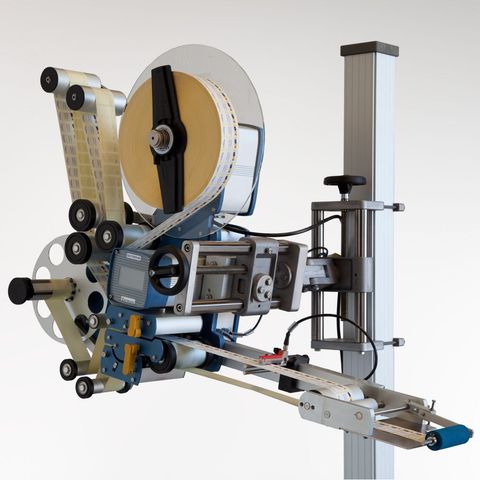
Wrapping machines are specialized pieces of equipment designed to apply protective materials around products, pallets, containers, or packages. Their primary purpose is to secure goods during storage, transportation, and distribution while maintaining product integrity.
Modern packaging environments often handle large volumes of products that require consistent protection. Wrapping technology helps ensure that products remain stable, protected from dust and moisture, and organized throughout the supply chain.
Advanced packaging systems have evolved significantly over the past decade. Earlier methods relied heavily on manual labor, whereas modern automated packaging solutions integrate sensors, software controls, and intelligent monitoring systems to improve efficiency and consistency.
Common types of wrapping machines include:
- Stretch wrapping machines
- Shrink wrapping machines
- Orbital wrapping systems
- Flow wrapping equipment
- Horizontal wrapping machines
- Vertical wrapping machines
- Robotic wrapping systems
These technologies are widely used across industries such as manufacturing, logistics, food processing, consumer goods, healthcare, and electronics.
Why Wrapping Machines Matter in Modern Packaging
The growing complexity of global supply chains has increased the need for reliable packaging methods. Wrapping machines play an important role in maintaining product quality and supporting efficient movement of goods.
The importance of advanced packaging technology can be understood through several key benefits:
| Benefit | Impact |
|---|---|
| Product Protection | Helps reduce exposure to environmental factors |
| Load Stability | Keeps products secure during transportation |
| Operational Consistency | Supports uniform packaging standards |
| Resource Optimization | Helps reduce material waste |
| Supply Chain Efficiency | Improves handling and storage processes |
| Quality Assurance | Supports packaging reliability |
Businesses, warehouse operators, manufacturers, distributors, and transportation providers all benefit from effective packaging systems.
Advanced packaging equipment also contributes to sustainability initiatives. Many organizations are exploring packaging automation technologies that optimize film usage and reduce unnecessary packaging materials.
The relationship between packaging efficiency and supply chain performance can be summarized as follows:
| Packaging Factor | Operational Result |
|---|---|
| Consistent Wrapping | Improved product stability |
| Automated Processes | Increased throughput |
| Smart Monitoring | Better quality control |
| Material Optimization | Reduced packaging waste |
| Equipment Integration | Enhanced workflow coordination |
As e-commerce and international trade continue to expand, the demand for dependable packaging solutions remains a significant industry priority.
Recent Updates and Industry Trends
The packaging sector has experienced several notable developments during 2025 and 2026.
One major trend has been the increased adoption of smart packaging equipment. Manufacturers have introduced systems that utilize sensors and data analytics to monitor wrapping performance in real time. These technologies help operators identify inconsistencies and improve packaging accuracy.
Another important development has been the focus on sustainability. Throughout 2025, packaging organizations increasingly explored recyclable and reduced-material packaging approaches. Advanced wrapping systems have been designed to use packaging film more efficiently while maintaining protection standards.
Artificial intelligence and predictive maintenance have also gained attention. Equipment manufacturers are integrating monitoring capabilities that can identify maintenance needs before failures occur. This helps reduce downtime and improve operational reliability.
Notable trends observed during the past year include:
- Greater adoption of packaging automation technologies
- Increased integration of Industrial Internet of Things (IIoT) systems
- Expansion of sustainable packaging initiatives
- Growth in robotic wrapping applications
- Enhanced machine safety features
- Improved energy-efficient packaging equipment
The packaging industry has also witnessed continued investment in digital manufacturing practices. Smart factories increasingly connect packaging systems with production management software to support better decision-making.
Laws, Regulations, and Policy Considerations
Packaging equipment and wrapping operations are influenced by various regulations and industry standards. These requirements vary by country and industry sector but generally focus on safety, environmental responsibility, and product protection.
Workplace safety regulations often require packaging equipment to include safeguards that protect operators from moving machinery components. Emergency stop systems, protective barriers, and operator training programs are commonly emphasized.
Environmental regulations have become increasingly relevant. Governments and regulatory agencies in many regions encourage businesses to reduce packaging waste and improve recycling practices.
Key regulatory areas affecting packaging operations include:
- Workplace safety requirements
- Environmental protection standards
- Waste reduction policies
- Recycling and sustainability guidelines
- Product labeling regulations
- Transportation packaging standards
For food and pharmaceutical industries, packaging systems may also be subject to additional compliance requirements that support hygiene, traceability, and product integrity.
Organizations frequently follow internationally recognized standards to improve consistency and demonstrate commitment to quality management practices.
Helpful Tools and Resources
Professionals interested in packaging technology can benefit from a variety of digital tools and educational resources.
Useful categories of resources include:
Packaging Design Software
- Package visualization platforms
- Structural packaging design tools
- Label design applications
Performance Calculators
- Packaging material usage calculators
- Pallet load optimization calculators
- Transportation efficiency estimators
Industry Publications
- Packaging technology journals
- Manufacturing research reports
- Supply chain analysis publications
Training Resources
- Packaging engineering courses
- Industrial automation learning platforms
- Equipment safety training materials
Data Management Tools
- Production monitoring systems
- Asset management platforms
- Equipment performance dashboards
The following table highlights common resource categories and their uses:
| Resource Type | Primary Purpose |
|---|---|
| Packaging Software | Design and planning |
| Material Calculators | Resource estimation |
| Monitoring Platforms | Performance tracking |
| Training Programs | Skills development |
| Industry Reports | Market knowledge |
| Compliance Guides | Regulatory awareness |
Educational resources help organizations stay informed about evolving technologies, sustainability goals, and operational best practices.
Practical Tips for Understanding Packaging Equipment
When evaluating wrapping technology, it is helpful to focus on operational objectives rather than equipment specifications alone.
Consider the following insights:
- Understand the type of product being packaged.
- Evaluate transportation and storage requirements.
- Review packaging material compatibility.
- Assess workflow integration needs.
- Monitor packaging consistency and quality.
- Consider sustainability objectives.
- Stay informed about emerging packaging technologies.
Continuous improvement initiatives often help organizations maximize packaging efficiency while supporting long-term operational goals.
Frequently Asked Questions
What is a wrapping machine?
A wrapping machine is equipment that applies protective packaging material around products or loads to improve stability, protection, and handling during storage and transportation.
What industries commonly use wrapping machines?
Wrapping machines are used in manufacturing, logistics, food processing, pharmaceuticals, consumer goods, electronics, warehousing, and distribution operations.
How does packaging automation improve efficiency?
Packaging automation helps create consistent packaging outcomes, reduces manual intervention, improves throughput, and supports quality control processes.
What is the difference between stretch wrapping and shrink wrapping?
Stretch wrapping uses stretchable film that is wrapped tightly around products, while shrink wrapping uses heat to shrink a film around an item after application.
Why is sustainability important in packaging?
Sustainability helps reduce environmental impact by encouraging efficient material use, minimizing waste generation, and supporting recycling initiatives throughout the packaging lifecycle.
Are smart wrapping machines becoming more common?
Yes. Many modern packaging systems now incorporate sensors, analytics, automation controls, and predictive maintenance features that support operational visibility and performance monitoring.
Conclusion
Wrapping machines remain an essential component of modern packaging operations. From protecting products during transportation to supporting efficient supply chain management, these systems contribute significantly to packaging performance and reliability.
Recent developments in packaging automation, smart manufacturing, sustainability initiatives, and digital monitoring technologies continue to shape the future of advanced packaging. Organizations across multiple industries increasingly rely on sophisticated wrapping solutions to address evolving operational requirements.
By understanding packaging technologies, regulatory considerations, industry trends, and available resources, individuals and organizations can make more informed decisions regarding packaging practices. As innovation continues, advanced packaging systems are expected to play an even greater role in supporting efficiency, quality, and sustainability throughout global supply chains.