Jump to a Chapter

Discover Smart Kitchen Appliances That Simplify Everyday Meal Preparation

Discover Smart Kitchen Appliances That Simplify Everyday Meal Preparation

Smart kitchen appliances combine automation, connectivity, and energy-efficient technology to make everyday meal preparation easier. This guide explains how these appliances work, why they are becoming more common, recent developments, applicable regulations, useful resources, and frequently asked questions.

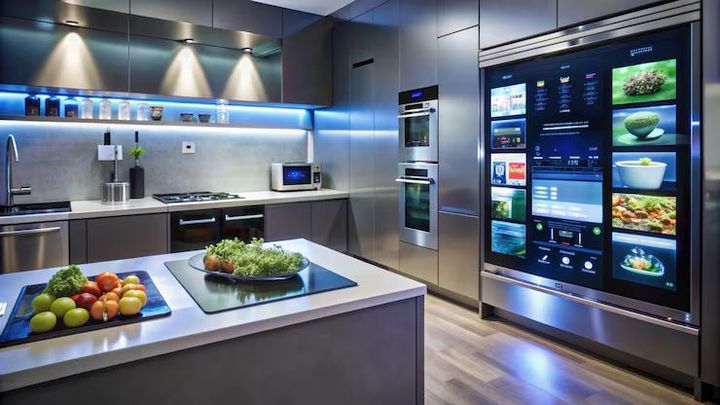
Smart kitchen appliances are modern household devices designed to improve cooking, food preparation, and kitchen management using advanced technology. Many of these appliances include features such as automatic programs, intelligent sensors, wireless connectivity, energy monitoring, and digital controls. Examples include smart air fryers, electric pressure cookers, induction cooktops, intelligent ovens, food processors, electric choppers, smart refrigerators, and programmable coffee makers.

These innovations were developed to make cooking more convenient while improving accuracy and reducing unnecessary energy consumption. As connected home technology continues to grow, smart appliances are becoming an important part of modern kitchens for households of all sizes.

Why Smart Kitchen Appliances Matter

Preparing meals can be challenging for people with busy schedules. Smart appliances simplify many everyday kitchen tasks by reducing manual work and improving consistency.

Some important benefits include:

  • Faster food preparation
  • Better temperature control
  • Improved cooking accuracy
  • Enhanced kitchen safety features
  • Lower energy consumption
  • Easier meal planning
  • Reduced food waste through better storage management

These appliances are useful for families, students, older adults, and anyone interested in efficient home cooking. Many devices also support energy management, making them relevant for households focused on sustainable living.

Comparison of Common Smart Kitchen Appliances

AppliancePrimary FunctionSmart FeatureMain Benefit
Smart Air FryerHealthy cookingAutomatic cooking programsConsistent results
Electric Pressure CookerMulti-function cookingDigital timersFaster meal preparation
Smart RefrigeratorFood storageInventory trackingBetter food management
Food ProcessorFood preparationMultiple processing modesSaves preparation time
Induction CooktopEfficient cookingTemperature sensorsImproved energy efficiency

Recent Developments in Smart Kitchen Technology

During 2025 and early 2026, manufacturers introduced several improvements that focus on convenience, sustainability, and intelligent automation.

Current trends include:

  • AI-assisted cooking recommendations based on ingredients.
  • Voice-enabled operation for selected kitchen functions.
  • Improved energy monitoring systems.
  • More accurate cooking sensors.
  • Enhanced food freshness monitoring.
  • Greater compatibility with smart home ecosystems.
  • Increased emphasis on recyclable materials and energy-efficient manufacturing.

Another noticeable trend is the growing use of predictive cooking technology, where appliances automatically adjust cooking time and temperature according to food type and weight.

Smart Kitchen Technology Trends

TrendGrowing Adoption
AI Cooking AssistanceHigh
Energy MonitoringHigh
Smart SensorsHigh
Voice ControlMedium to High
Connected Home IntegrationHigh

Laws and Policies Affecting Smart Kitchen Appliances

Smart kitchen appliances are influenced by several national regulations depending on the country where they are manufactured or used.

Common regulatory areas include:

  • Electrical safety standards
  • Energy efficiency labeling
  • Consumer product safety requirements
  • Electromagnetic compatibility regulations
  • Wireless communication compliance
  • Environmental recycling standards
  • Electronic waste management policies
  • Data privacy rules for internet-connected appliances

Many governments also encourage the adoption of energy-efficient household appliances through environmental programs and appliance efficiency standards. These regulations help improve consumer safety while supporting responsible energy use.

Helpful Tools and Learning Resources

Several educational resources help users understand smart kitchen technology and appliance efficiency.

Useful resources include:

  • Home energy consumption calculators
  • Electricity usage estimators
  • Kitchen planning templates
  • Digital meal planning applications
  • Appliance maintenance checklists
  • Food storage guides
  • Energy efficiency labeling information
  • Smart home compatibility checklists

These resources help households make informed decisions while improving kitchen organization and energy awareness.

Frequently Asked Questions

What makes a kitchen appliance smart?

A smart kitchen appliance uses digital technology such as sensors, programmable settings, wireless connectivity, or automation to improve cooking performance and convenience.

Are smart kitchen appliances energy efficient?

Many smart appliances are designed to reduce unnecessary electricity use through intelligent temperature control, automatic shutoff features, and optimized cooking programs.

Do smart appliances require internet connectivity?

Not always. Many devices function normally without internet access, while connected features such as remote monitoring or software updates may require a network connection.

How do smart appliances improve meal preparation?

They automate repetitive cooking tasks, provide accurate temperature control, reduce preparation time, and improve consistency across different recipes.

Are smart kitchen appliances suitable for beginners?

Yes. Many include guided cooking programs, automatic settings, and user-friendly digital interfaces that simplify everyday cooking.

Conclusion

Smart kitchen appliances continue to transform everyday meal preparation through automation, energy efficiency, and intelligent technology. Modern features help improve cooking accuracy, simplify food preparation, and support more organized kitchens. As technology advances, these appliances are expected to become even more efficient, environmentally responsible, and easier to use. Understanding their features, safety standards, and practical applications allows households to make informed decisions while enjoying a more convenient cooking experience.

Disclaimer

This article is intended for general educational and informational purposes only. Technology features, regulations, and appliance specifications may vary by country and manufacturer. Readers should always follow official product documentation and applicable local safety requirements when using electrical kitchen appliances.


author-image

Riley Campbell

We turn words into experiences that inspire, inform, and captivate audiences.

July 09, 2026 . 9 min read