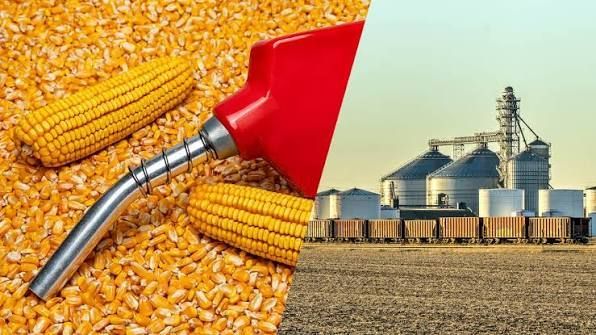
Discover Ethanol Production and Uses: Complete Guide, Insights, Explanation, Details, Information, Tips, and Helpful Resources
Ethanol is a type of alcohol that is commonly produced from plant-based materials containing sugars or starches. It has been used for centuries in various applications, but today it is particularly important as a renewable fuel and industrial raw material.
The production of ethanol exists because societies need alternatives to fossil fuels and sustainable sources of industrial chemicals. Ethanol can be created from agricultural feedstocks such as corn, sugarcane, wheat, and other biomass materials. Through fermentation and processing, these materials are converted into alcohol that can be used in transportation fuels, manufacturing, healthcare products, and industrial operations.
As concerns about environmental sustainability continue to grow, ethanol has become an important part of discussions surrounding renewable energy, greenhouse gas reduction, and resource efficiency.
Why Ethanol Matters Today
Ethanol plays a significant role in multiple sectors of the modern economy. Its importance extends beyond fuel production and includes manufacturing, healthcare, agriculture, and environmental management.
Some key reasons ethanol matters include:
- Supports renewable energy initiatives.
- Helps reduce dependence on conventional petroleum fuels.
- Provides an additional market for agricultural crops.
- Serves as an ingredient in industrial and chemical manufacturing.
- Contributes to lower carbon emissions in certain applications.
- Functions as a solvent in pharmaceutical and personal care products.
The transportation sector is one of the largest users of ethanol. Many countries blend ethanol with gasoline to improve combustion efficiency and reduce certain vehicle emissions.
Industries also rely on ethanol for cleaning agents, coatings, inks, laboratory applications, and chemical processing. Healthcare organizations use ethanol in disinfectants and sanitizing products due to its antimicrobial properties.
Common Ethanol Feedstocks and Applications
| Feedstock Source | Typical Use |
|---|---|
| Corn | Fuel ethanol production |
| Sugarcane | Bioethanol and industrial uses |
| Wheat | Fuel and industrial ethanol |
| Cellulosic Biomass | Advanced biofuel production |
| Agricultural Residues | Renewable energy applications |
| Major Application | Purpose |
| Transportation Fuel | Fuel blending and energy generation |
| Industrial Solvent | Manufacturing and processing |
| Healthcare Products | Sanitizers and disinfectants |
| Chemical Industry | Raw material for chemicals |
| Laboratory Use | Research and testing |
How Ethanol Is Produced
The ethanol production process generally follows several important stages.
First, feedstocks containing sugars or starches are collected and prepared. Starch-based materials often require additional processing to convert starch into fermentable sugars.
Second, microorganisms such as yeast are introduced during fermentation. These microorganisms consume sugars and produce ethanol and carbon dioxide.
Third, the fermented mixture undergoes distillation. Distillation separates ethanol from water and other substances.
Finally, additional purification steps may be performed to achieve the desired ethanol concentration for fuel, industrial, or laboratory applications.
The simplified process can be represented as follows:
| Production Stage | Main Activity |
| Feedstock Preparation | Processing crops or biomass |
| Conversion | Turning starch into sugars |
| Fermentation | Producing ethanol with yeast |
| Distillation | Separating ethanol |
| Purification | Improving ethanol concentration |
| Distribution | Supplying end users |
Recent Developments and Industry Trends
The ethanol sector has experienced several notable developments during 2025 and 2026.
Advanced biofuel technologies continue to receive attention from governments, research institutions, and energy companies. Efforts are increasingly focused on improving production efficiency and expanding the use of non-food biomass sources.
Cellulosic ethanol research has advanced further, with projects exploring agricultural residues, forestry waste, and dedicated energy crops as feedstocks. These developments aim to improve sustainability while reducing pressure on food-related resources.
Many regions have also continued expanding renewable fuel initiatives and carbon reduction strategies. Throughout 2025 and early 2026, several energy policies emphasized cleaner transportation fuels and lower lifecycle greenhouse gas emissions.
Another trend involves carbon capture technologies integrated into ethanol facilities. These systems seek to reduce emissions associated with production processes and improve overall environmental performance.
Digital monitoring systems, predictive analytics, and automation technologies are increasingly being used in ethanol plants to optimize efficiency, improve quality control, and reduce operational waste.
Ethanol Production Trends Overview
| Trend | Industry Impact |
| Advanced Biofuels | Increased sustainability |
| Cellulosic Ethanol | Expanded feedstock options |
| Carbon Capture | Lower emissions potential |
| Plant Automation | Improved efficiency |
| Renewable Fuel Programs | Greater ethanol adoption |
| Data Analytics | Better process management |
Laws, Regulations, and Government Programs
Ethanol production and use are heavily influenced by regulations and public policy. Different countries have established frameworks to support renewable energy development while maintaining environmental and safety standards.
Key regulatory areas typically include:
- Renewable fuel mandates.
- Fuel blending requirements.
- Environmental protection standards.
- Emissions reporting requirements.
- Agricultural sustainability guidelines.
- Workplace safety regulations.
- Transportation and storage requirements.
Many governments use renewable fuel programs to encourage blending ethanol into transportation fuels. These programs often establish targets designed to increase renewable energy usage and reduce greenhouse gas emissions.
Environmental agencies may also regulate water usage, emissions, waste management, and facility operations associated with ethanol production.
In addition, quality standards help ensure ethanol products meet specifications for fuel, industrial, and commercial applications.
Organizations operating within the ethanol industry must comply with national and regional requirements related to environmental protection, worker safety, product quality, and transportation.
Helpful Tools and Resources
Several tools and resources can help individuals, researchers, students, and industry professionals better understand ethanol production and applications.
Useful resources include:
- Ethanol production calculators.
- Renewable energy assessment tools.
- Carbon emissions estimation tools.
- Agricultural yield calculators.
- Biomass conversion calculators.
- Fuel blend reference guides.
- Industry research publications.
- Environmental impact assessment templates.
Helpful categories of websites include:
- Government energy departments.
- Renewable energy research institutions.
- Agricultural research organizations.
- Environmental agencies.
- Academic journals.
- Biofuel industry associations.
- Scientific databases.
Popular software and digital solutions used in the sector include:
- Process simulation software.
- Industrial monitoring systems.
- Data analytics platforms.
- Laboratory management tools.
- Environmental reporting systems.
These resources support education, compliance, efficiency improvement, and research activities related to ethanol production.
Frequently Asked Questions
What is ethanol primarily used for?
Ethanol is primarily used as a transportation fuel, industrial solvent, chemical feedstock, and ingredient in healthcare and sanitation products.
Is ethanol considered a renewable energy source?
Ethanol is generally classified as a renewable fuel because it can be produced from agricultural crops and biomass materials that can be replenished over time.
What crops are commonly used to produce ethanol?
Common feedstocks include corn, sugarcane, wheat, and various biomass materials. The specific feedstock depends on local agricultural resources and production infrastructure.
How does ethanol contribute to environmental goals?
Ethanol can help support greenhouse gas reduction strategies by replacing a portion of conventional fossil fuels and encouraging the use of renewable resources.
What is cellulosic ethanol?
Cellulosic ethanol is produced from non-food biomass materials such as crop residues, grasses, forestry waste, and other plant-based sources. It is considered an advanced biofuel technology.
Can ethanol be used outside the fuel industry?
Yes. Ethanol is widely used in pharmaceuticals, laboratories, manufacturing processes, cleaning products, personal care products, and chemical production.
Conclusion
Ethanol remains an important component of modern energy, industrial, and manufacturing systems. Produced from renewable biological resources, it supports transportation fuels, industrial processes, healthcare products, and chemical manufacturing.
Recent advancements in biofuel technology, cellulosic feedstocks, automation, and carbon management continue to shape the future of ethanol production. At the same time, government regulations, renewable fuel programs, and environmental standards play a significant role in guiding industry development.
Understanding how ethanol is produced, where it is used, and how regulations influence the sector helps provide valuable insight into one of the world's most widely utilized renewable fuel and industrial resources. As sustainability and energy diversification remain global priorities, ethanol is expected to continue contributing to evolving energy and industrial strategies.