Spa Relaxation Tips: Explore Guide, Insights, Advice, Suggestions, Knowledge, Facts, and Helpful Resources
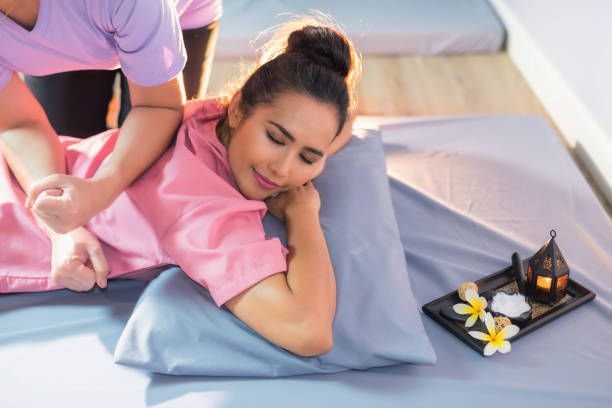
Spa relaxation refers to a collection of wellness practices designed to encourage comfort, reduce daily stress, and support overall well-being. These practices may include massage therapy, hydrotherapy, aromatherapy, mindfulness exercises, meditation, and other relaxation-focused activities.
The concept of spa relaxation has existed for centuries. Different cultures have developed unique approaches to wellness, often centered around water, natural resources, and restorative treatments. Today, spa-inspired relaxation techniques are commonly used by individuals seeking healthier lifestyle habits and improved work-life balance.
Modern lifestyles often involve long working hours, digital connectivity, and constant information exposure. As a result, many people explore relaxation methods that help them manage stress and improve their daily routines. Spa relaxation practices have evolved to address these changing wellness needs while promoting physical and mental comfort.
Why Spa Relaxation Matters Today
Stress management has become an important topic across many age groups. Wellness experts frequently discuss the connection between relaxation practices and overall quality of life. While spa relaxation is not a substitute for medical treatment, it may contribute to healthier self-care habits.
Common reasons people explore relaxation-focused wellness activities include:
• Managing everyday stress
• Supporting healthy sleep habits
• Encouraging mindfulness and mental clarity
• Promoting relaxation after physical activity
• Creating dedicated time for self-care
The growing awareness of wellness education has also increased interest in preventive lifestyle practices. Many organizations now encourage wellness programs that emphasize stress reduction, healthy routines, and mental well-being.
The following table highlights common wellness goals associated with relaxation practices.
| Wellness Goal | Potential Benefit |
|---|---|
| Stress Management | Improved emotional balance |
| Better Sleep Habits | Enhanced daily energy |
| Mindfulness | Greater focus and awareness |
| Physical Relaxation | Reduced muscle tension |
| Self-Care Routine | Improved consistency in healthy habits |
Another factor driving interest in relaxation techniques is the increased use of digital devices. Continuous screen exposure may contribute to mental fatigue, making intentional relaxation periods increasingly valuable.
Recent Updates and Wellness Trends
The wellness industry continues to evolve, with several notable developments observed during 2025 and early 2026.
Digital Wellness Integration
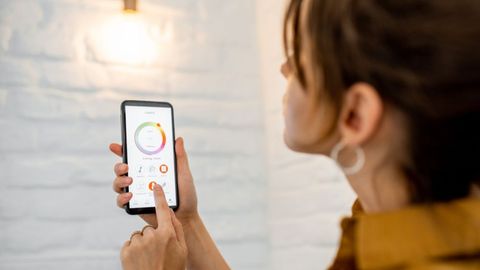
During 2025, wellness applications increasingly incorporated artificial intelligence tools to create personalized mindfulness routines, meditation recommendations, and relaxation schedules. These tools help users track wellness habits and maintain consistency.
Focus on Mental Wellness
Reports published throughout 2025 highlighted growing interest in stress management education, workplace wellness initiatives, and mindfulness-based programs. Many organizations expanded wellness resources designed to support employee well-being.
Sustainable Wellness Practices
Environmental awareness influenced wellness trends during 2025 and 2026. Many wellness centers adopted sustainable approaches such as reduced water waste, eco-friendly products, and energy-efficient facilities.
Hybrid Relaxation Experiences
Another notable trend has been the combination of in-person wellness activities with digital resources. Individuals increasingly use meditation apps, guided breathing tools, and virtual wellness programs alongside traditional relaxation practices.
The chart below illustrates general wellness trends observed during the past year.
| Trend | Popularity Growth |
| Mindfulness Practices | High |
| Digital Wellness Apps | High |
| Sustainable Wellness | Moderate to High |
| Sleep Optimization | High |
| Personalized Wellness Plans | Moderate |
These developments reflect a broader shift toward long-term wellness education rather than short-term relaxation solutions.
Laws, Regulations, and Public Wellness Policies
Wellness and relaxation activities are often influenced by health, safety, and consumer protection regulations. The specific requirements vary by country and region.
Common regulatory areas include:
• Health and sanitation standards
• Facility hygiene requirements
• Occupational safety regulations
• Consumer information transparency
• Product ingredient labeling standards
Government agencies in many countries maintain regulations related to public health and wellness establishments. These rules typically focus on maintaining safe environments and protecting consumers.
In recent years, policymakers have also increased attention toward mental health awareness campaigns and public wellness education programs. These initiatives encourage healthier lifestyles through stress management resources, educational materials, and community wellness activities.
Individuals should always consult official government health agencies or regulatory authorities for the most current information applicable to their location.
Helpful Tools and Resources for Relaxation and Wellness
A variety of educational resources and digital tools can help individuals learn more about relaxation techniques and wellness habits.
Useful categories include:
Meditation and Mindfulness Applications
• Guided meditation platforms
• Breathing exercise applications
• Mindfulness tracking tools
• Focus and concentration resources
Sleep Improvement Resources
• Sleep tracking applications
• Relaxation audio libraries
• White-noise generators
• Bedtime routine planners
Wellness Education Platforms
• Health education websites
• Wellness research publications
• Lifestyle habit trackers
• Stress management learning resources
Productivity and Balance Tools
• Digital wellness dashboards
• Screen-time monitoring applications
• Habit-building trackers
• Daily reflection journals
The following resource table summarizes common wellness-support tools.
| Resource Type | Primary Purpose |
| Meditation Apps | Guided relaxation |
| Sleep Trackers | Sleep habit monitoring |
| Wellness Journals | Self-reflection |
| Habit Trackers | Routine development |
| Breathing Tools | Stress management |
When selecting wellness resources, users should prioritize evidence-based information from reputable educational and health organizations.
Frequently Asked Questions
What is spa relaxation?
Spa relaxation refers to wellness practices designed to promote comfort, reduce stress, and support overall well-being through techniques such as massage, hydrotherapy, mindfulness, and relaxation exercises.
Can relaxation practices improve daily wellness?
Many people report that relaxation routines help them maintain healthier habits, manage everyday stress, and create dedicated time for self-care. Results vary depending on individual circumstances.
How often should relaxation activities be included in a routine?
There is no universal schedule. Consistency is generally more important than frequency. Even short periods of mindfulness, stretching, or relaxation exercises may contribute to a balanced wellness routine.
Are digital wellness tools effective?
Digital wellness applications can help individuals track habits, access guided relaxation content, and build consistency. Their effectiveness depends on regular use and personal preferences.
Is spa relaxation a replacement for medical care?
No. Relaxation practices support general wellness but should not replace professional medical advice, diagnosis, or treatment. Individuals with health concerns should consult qualified healthcare professionals.
Conclusion
Spa relaxation remains an important component of modern wellness education. As daily responsibilities, digital engagement, and workplace demands continue to evolve, many individuals seek practical ways to support balance and well-being.
Recent developments in digital wellness technology, mindfulness education, sustainable wellness practices, and personalized health resources have expanded access to relaxation-focused tools and information. At the same time, regulatory standards and public wellness initiatives continue to emphasize safety, transparency, and health awareness.
By understanding relaxation techniques, utilizing educational resources, and maintaining consistent self-care habits, individuals can develop wellness routines that support long-term physical and mental well-being. A thoughtful approach to relaxation can contribute to healthier lifestyle choices, greater mindfulness, and improved daily balance.