Explore Interior Design Trends for Modern Homes: Complete Guide, Tips, Insights, Knowledge, Facts, and Helpful Resources
Interior design trends for modern homes refer to the evolving styles, materials, layouts, technologies, and design principles used to create comfortable, functional, and visually appealing living spaces. These trends develop over time in response to changing lifestyles, technological innovation, environmental concerns, and architectural advancements.
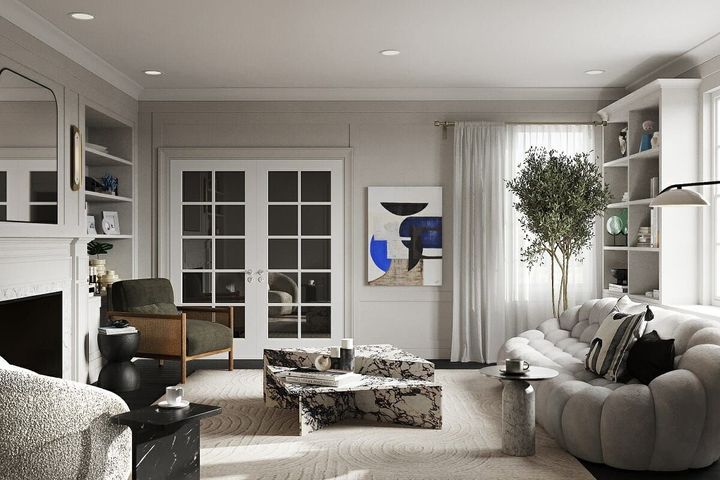
Modern interior design focuses on simplicity, efficient use of space, clean lines, practical layouts, and a balance between aesthetics and functionality. Today's homeowners often seek environments that support work, relaxation, entertainment, and wellness within the same property.
The concept exists because living spaces continuously adapt to societal changes. As family structures, remote work practices, energy efficiency goals, and digital technology evolve, interior design trends change to meet new expectations and requirements.
Modern homes increasingly combine comfort, sustainability, technology integration, and flexible design solutions. These elements influence everything from furniture selection and lighting systems to flooring materials and room layouts.
Why Modern Interior Design Trends Matter
Interior design affects daily life more than many people realize. Well-planned interiors can improve functionality, organization, productivity, and overall living experiences.
The importance of modern design trends extends to several groups:
| Group | Benefits |
|---|---|
| Homeowners | Improved comfort and efficient space utilization |
| Families | Better organization and adaptable living areas |
| Remote Workers | Dedicated workspaces and productivity-focused layouts |
| Property Investors | Enhanced property appeal and long-term value |
| Designers and Architects | Alignment with current standards and client expectations |
Modern design trends help address common challenges such as:
- Limited living space
- Energy efficiency concerns
- Storage management
- Remote work requirements
- Indoor air quality considerations
- Accessibility and aging-in-place needs
Another important factor is sustainability. Many contemporary designs emphasize environmentally responsible materials, efficient lighting systems, and reduced resource consumption.
Key Modern Interior Design Elements
Several design characteristics continue to influence modern homes:
| Design Element | Purpose |
|---|---|
| Open Floor Plans | Improve movement and visual space |
| Natural Lighting | Enhance comfort and reduce energy use |
| Neutral Color Palettes | Create versatile and calming interiors |
| Smart Technology Integration | Improve convenience and efficiency |
| Sustainable Materials | Support environmental goals |
| Multifunctional Furniture | Maximize usable space |
Natural textures such as wood, stone, bamboo, and recycled materials are becoming increasingly common. These materials help create a balance between modern aesthetics and comfort.
Biophilic design, which incorporates natural elements into interiors, has also become a significant influence. Indoor plants, living walls, natural ventilation, and organic materials contribute to healthier living environments.
Recent Updates and Emerging Trends
The interior design landscape has continued evolving throughout 2025 and early 2026.
Several notable developments have gained attention:
Smart Home Integration
During 2025, increased adoption of intelligent lighting systems, automated climate controls, voice-enabled devices, and connected appliances influenced residential interior planning. Homeowners increasingly prioritize technology that improves energy management and convenience.
Sustainable Design Practices
Environmental considerations remained a major focus throughout 2025. Designers expanded the use of recycled materials, low-emission finishes, renewable resources, and energy-efficient fixtures.
Flexible Living Spaces
As hybrid work arrangements continue, adaptable room layouts remain popular. Home offices, convertible spaces, and modular furniture solutions have become common design priorities.
Wellness-Focused Interiors
Recent trends emphasize mental and physical well-being through improved lighting design, air quality solutions, acoustic comfort, and natural materials.
Warm Minimalism
One of the most discussed design directions in 2025 has been warm minimalism. Unlike traditional minimalism, this approach combines simplicity with softer textures, warmer color palettes, and comfortable furnishings.
The following chart illustrates the relative influence of major design trends in modern homes:
| Trend Category | Growing Influence |
|---|---|
| Smart Technology | Very High |
| Sustainable Materials | Very High |
| Wellness Design | High |
| Multifunctional Spaces | High |
| Minimalist Aesthetics | Moderate to High |
| Industrial Design | Moderate |
Regulations, Policies, and Government Influence
Interior design practices are often influenced by building regulations, environmental standards, and construction policies.
Although requirements vary across countries and regions, several common regulatory areas affect modern interior design:
Building Codes
Residential building codes establish standards for safety, ventilation, accessibility, electrical systems, fire protection, and structural requirements.
Energy Efficiency Standards
Many governments have strengthened energy efficiency guidelines for residential construction. These standards often influence:
- Insulation requirements
- Lighting systems
- Window performance
- Heating and cooling efficiency
- Energy management technologies
Environmental Regulations
Policies promoting sustainable construction increasingly encourage the use of environmentally responsible materials and reduced carbon emissions.
Accessibility Guidelines
Many regions have introduced accessibility recommendations or requirements that support inclusive design for individuals with mobility limitations and aging populations.
Indoor Air Quality Standards
Growing awareness of health concerns has increased attention on ventilation systems, low-emission materials, and indoor environmental quality.
Homeowners planning renovations should consult local building authorities or licensed professionals to ensure compliance with applicable regulations.
Helpful Tools and Resources
Various digital tools and resources can support interior design planning, visualization, and project management.
Design and Visualization Software
- SketchUp
- AutoCAD
- Planner 5D
- RoomSketcher
- HomeByMe
Color Planning Tools
- Digital color palette generators
- Paint visualizer applications
- Interior color matching platforms
Smart Home Planning Resources
- Smart lighting configuration tools
- Energy monitoring platforms
- Home automation planning applications
Project Management Tools
- Trello
- Asana
- Notion
- Construction planning software
Sustainability Resources
- Green building certification references
- Material sustainability databases
- Energy efficiency assessment tools
Interior Design Templates
Useful templates may include:
- Room measurement worksheets
- Furniture layout planners
- Renovation budgeting templates
- Material comparison sheets
- Lighting planning guides
Common Interior Design Principles
Understanding a few foundational principles can help homeowners make informed decisions.
Balance
Balance creates visual stability through the arrangement of furniture, colors, and decorative elements.
Proportion
Objects should relate appropriately to the size of the room and surrounding furnishings.
Rhythm
Repeated design elements guide visual movement throughout a space.
Contrast
Contrasting materials, colors, or textures add visual interest while maintaining harmony.
Functionality
Every design choice should support practical use and comfort.
Applying these principles often results in interiors that remain appealing even as trends evolve.
Frequently Asked Questions
What defines a modern interior design style?
Modern interior design generally emphasizes clean lines, uncluttered spaces, functional layouts, neutral colors, and the integration of contemporary materials and technology.
Why is sustainability becoming important in interior design?
Sustainability helps reduce environmental impact, supports efficient resource use, improves energy performance, and often contributes to healthier indoor environments.
What role does smart home technology play in modern interiors?
Smart technology enhances convenience, automation, energy management, security, and personalized control of household systems.
Are open floor plans still popular?
Yes. Open floor plans remain widely used because they improve flexibility, increase natural light distribution, and create a stronger sense of spaciousness.
How can small homes benefit from modern design trends?
Modern design often incorporates multifunctional furniture, efficient storage solutions, flexible layouts, and space-saving features that maximize usability in smaller homes.
Conclusion
Interior design trends for modern homes continue to evolve alongside technological innovation, environmental priorities, and changing lifestyles. Contemporary interiors increasingly focus on functionality, sustainability, wellness, and adaptable living spaces.
Current trends highlight the growing influence of smart home technology, eco-friendly materials, wellness-centered environments, and flexible room configurations. At the same time, regulations related to safety, energy efficiency, accessibility, and environmental performance play an important role in shaping residential design decisions.
By understanding key principles, monitoring recent developments, and utilizing available planning tools and resources, homeowners and design professionals can make informed choices that support both present needs and future expectations. Modern interior design is no longer focused solely on appearance; it has become a comprehensive approach to creating efficient, comfortable, and sustainable living environments.