CRM Platforms Explained: Discover Basics, Key Features, Helpful Resources & Strategic Business Insights
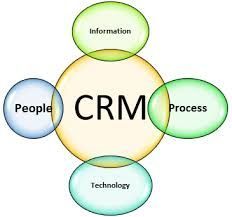
Customer Relationship Management (CRM) platforms are software systems that help organizations organize, track, and analyze interactions with customers and prospects. They centralize contact information, communication history, and activity data in one place so teams can understand relationships over time. CRM platforms emerged to address a common challenge: customer data scattered across emails, spreadsheets, support tools, and marketing systems. When information is fragmented, teams struggle to coordinate outreach, maintain consistency, and measure outcomes. CRM systems provide a structured environment for managing pipelines, support requests, and engagement journeys.
Modern CRM platforms also integrate automation, analytics, and artificial intelligence capabilities. These functions transform raw interaction data into insights that support decision-making across marketing, sales operations, customer support, and business strategy.
Importance – Why CRM matters today and what problems it solves
Customer expectations for personalized, timely communication have increased across industries. Organizations must manage growing volumes of interactions across channels such as email, chat, phone, and social platforms. CRM platforms help address this complexity through unified data and process automation.
CRM adoption affects multiple stakeholders:
• Business leaders who need reliable performance insights
• Customer-facing teams who manage relationships daily
• Analysts who evaluate engagement patterns
• Compliance officers who oversee data governance
Key problems CRM platforms address include:
• Disconnected customer data
• Inconsistent communication history
• Limited visibility into relationship lifecycle
• Manual tracking of opportunities and support cases
• Difficulty forecasting performance
The strategic value of CRM systems lies in turning interaction data into structured knowledge. This supports data-driven marketing strategies, predictive analytics workflows, and customer experience management initiatives.
Customer lifecycle stages commonly managed in CRM environments include:
| Lifecycle Stage | Typical Activities | CRM Function |
|---|---|---|
| Awareness | First interaction, inquiry | Contact capture, tracking |
| Engagement | Follow-ups, meetings | Activity logging, reminders |
| Conversion | Decision process | Pipeline management |
| Retention | Ongoing relationship | Support case tracking |
| Advocacy | Referrals, feedback | Analytics, segmentation |
CRM platforms also support cross-department collaboration. Marketing teams track campaigns, support teams manage service interactions, and leadership evaluates performance through shared dashboards.
Recent Updates – Trends and developments in 2024–2025
The past year has seen rapid evolution in CRM technology driven by artificial intelligence, data privacy expectations, and workflow automation.
Artificial intelligence integration accelerated in 2024. Major vendors embedded predictive analytics, conversation summaries, and automated data entry features. For example, platforms such as Salesforce and Microsoft expanded AI-driven tools that analyze customer behavior patterns and recommend next actions based on historical interactions.
In late 2024, many CRM platforms introduced enhanced data governance controls to address rising regulatory scrutiny. These updates focused on consent tracking, audit logs, and data lifecycle management.
Another trend is increased interoperability. CRM platforms now connect more easily with analytics systems, marketing automation tools, and enterprise resource planning environments. This reflects a shift toward unified customer data ecosystems rather than standalone software environments.
Cloud-based deployment continues to dominate. Research reports published throughout 2025 indicate that most new CRM implementations rely on cloud infrastructure due to scalability and remote accessibility advantages.
A simplified representation of CRM capability evolution:
Traditional CRM → Cloud CRM → AI-Enhanced CRM
Data Storage → Automation → Predictive Intelligence
These developments show CRM platforms moving beyond record-keeping toward strategic intelligence systems.
Laws or Policies – Regulatory and governance considerations
CRM platforms handle personal data, communication records, and behavioral information. Because of this, their use is shaped by data protection regulations in many regions.
In the European Union, CRM data processing must comply with the General Data Protection Regulation (GDPR). This regulation requires organizations to manage consent, protect personal data, and provide transparency about how information is used.
In the United States, privacy requirements vary by state. The California Consumer Privacy Act (CCPA) establishes rights related to data access and deletion for California residents. Organizations using CRM platforms must ensure data practices align with applicable regional laws.
Common regulatory considerations include:
• Data minimization principles
• Consent management processes
• Access controls and encryption
• Audit and documentation requirements
• Data retention policies
Government digital transformation programs in several countries also encourage adoption of standardized data management practices. These initiatives influence how CRM systems are configured within regulated industries such as finance, healthcare, and telecommunications.
Compliance is not solely a technical feature but an operational responsibility that shapes CRM implementation strategies.
Tools and Resources – Platforms, utilities, and learning references
Several widely used CRM platforms provide structured environments for managing customer relationships. Examples include:
• Salesforce – enterprise CRM ecosystem with analytics and automation
• HubSpot – integrated marketing and relationship management environment
• Zoho – modular CRM platform with customization capabilities
• Microsoft Dynamics 365 – CRM and enterprise data platform
Common categories of supporting resources include:
Data management utilities
• Data mapping templates
• Customer journey visualization frameworks
• Data governance policy guides
Analytics and reporting tools
• Dashboard templates for pipeline analysis
• Customer segmentation frameworks
• Forecast modeling worksheets
Learning resources
• Vendor documentation portals
• Professional certification programs
• Academic research publications on customer analytics
Example CRM workflow integration model:
| Functional Area | Supporting Tool Type | Outcome |
|---|---|---|
| Marketing analytics | Campaign tracking dashboards | Engagement measurement |
| Relationship tracking | Contact management database | Interaction history |
| Performance analysis | Reporting frameworks | Data-driven insights |
| Compliance management | Consent tracking tools | Regulatory alignment |
These resources help organizations implement CRM platforms as structured information systems rather than simple contact databases.
FAQs – Common questions about CRM platforms
What distinguishes CRM from a simple contact database
A contact database stores basic information such as names and communication details. CRM platforms extend this by tracking interactions, managing workflows, analyzing behavior patterns, and supporting collaboration across teams.
Do CRM platforms support data analytics
Yes. Modern CRM systems include reporting dashboards, forecasting tools, and predictive analytics features that identify trends in customer behavior and engagement outcomes.
Are CRM platforms limited to large organizations
No. CRM systems are used across organizations of different sizes and industries. The scope of implementation varies based on operational complexity and data management needs.
How do CRM platforms support customer experience management
They provide a unified record of interactions across channels, allowing organizations to maintain consistent communication and track service history throughout the relationship lifecycle.
What skills are required to use CRM platforms effectively
Effective use typically involves understanding data management principles, workflow design, reporting interpretation, and compliance practices related to customer information.
Conclusion
CRM platforms represent an important component of modern business infrastructure. They organize relationship data, support collaboration, and enable analytical insights that inform strategy. Over time, CRM systems have evolved from record-keeping tools into intelligence platforms that integrate automation, analytics, and governance capabilities.
The growing emphasis on data privacy, artificial intelligence, and interoperability continues to shape CRM development. Organizations increasingly rely on structured customer data to guide decisions, improve communication consistency, and manage complex interaction environments.
Understanding CRM platforms involves recognizing both their technical functions and their strategic role in information management. As customer expectations and regulatory frameworks evolve, CRM systems remain central to how organizations structure, analyze, and protect relationship data.
Disclaimer: This article is for educational and informational purposes only. It provides general information about CRM platforms and related regulatory considerations. It does not constitute legal, technical, or professional advice. Organizations should evaluate their specific requirements and applicable regulations when implementing CRM systems.