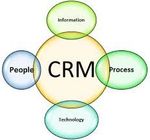
These platforms emerged as organizations shifted from paper records and scattered spreadsheets to centralized digital systems. As communication channels expanded—from phone and email to messaging apps and web forms—CRM platforms evolved to unify information and provide a consistent view of each relationship.
Modern CRM environments often include features such as contact management, lead tracking, workflow automation, reporting dashboards, and integration with marketing tools. Widely used platforms include Salesforce, Microsoft Dynamics 365, HubSpot, and Zoho Corporation. Each provides tools that help teams maintain accurate records and structured communication processes.
Importance — Why CRM matters today and what problems it solves
CRM platforms are important because digital interactions generate large volumes of data. Without structured systems, organizations risk fragmented records, inconsistent communication, and limited insight into engagement patterns.
Who it affects:
-
Small and mid-sized organizations managing growing contact lists
-
Large enterprises coordinating multiple departments
-
Nonprofit organizations tracking stakeholders
-
Educational institutions managing alumni and outreach
Common challenges CRM platforms address:
-
Data fragmentation: Consolidating information from multiple channels
-
Communication gaps: Maintaining continuity across teams
-
Process inconsistency: Standardizing workflows
-
Limited visibility: Providing analytics on engagement trends
-
Compliance risk: Supporting data governance and record management
A well-implemented CRM environment supports transparency and continuity. Teams can access shared information, reducing duplication and enabling more consistent communication practices.
Recent updates — Trends and developments in the past year
CRM technology has changed significantly over the past year, largely influenced by artificial intelligence, data governance, and integration standards.
Key developments (2024–2025):
-
AI-assisted insights expanded (2024): Major platforms integrated predictive analytics, automated summaries, and data classification tools to support decision-making.
-
Privacy-first data architecture (2024): CRM vendors strengthened consent tracking and data retention controls in response to evolving privacy expectations.
-
Unified data layers (early 2025): Platforms introduced enhanced data synchronization features that connect CRM records with analytics and communication tools.
-
Low-code customization growth (2025): Visual workflow builders became more advanced, enabling configuration without extensive programming knowledge.
-
Interoperability standards (2025): Industry initiatives focused on structured APIs and data portability to reduce vendor lock-in concerns.
These changes reflect a broader shift toward intelligent automation and responsible data handling.
A simplified trend comparison:
| Trend Area | 2023 Focus | 2025 Direction |
|---|
| Data storage | Centralized databases | Unified data ecosystems |
| Analytics | Descriptive reporting | Predictive and AI-assisted insights |
| Customization | Technical configuration | Low-code workflow design |
| Compliance | Basic controls | Advanced governance frameworks |
Laws or policies — Regulatory and governance considerations
CRM platforms operate within legal and regulatory frameworks that govern how personal data is collected, stored, and processed. Requirements vary by country, but several common principles apply globally.
Key regulatory themes:
-
Consent management: Organizations must document permission for data usage.
-
Data minimization: Only necessary information should be collected.
-
Access rights: Individuals may request access or correction of their data.
-
Retention limits: Data should not be stored indefinitely without justification.
-
Security safeguards: Systems must protect against unauthorized access.
Many CRM platforms include features designed to support compliance workflows, such as audit logs, permission controls, and automated retention policies.
Government programs in some countries also encourage digital recordkeeping standards, which indirectly influence CRM adoption and configuration practices.
Tools and resources — Helpful platforms, templates, and utilities
A CRM ecosystem often includes complementary tools that support planning, evaluation, and management.
Common resource categories:
• Data structure templates for contact management
• Workflow mapping frameworks
• Integration connectors
• Reporting dashboards
• Governance documentation
Representative CRM platforms:
-
Salesforce — Enterprise-grade ecosystem with extensive customization capabilities
-
Microsoft Dynamics 365 — Integrated environment connected with productivity tools
-
HubSpot — Platform known for usability and structured pipelines
-
Zoho Corporation — Broad suite with modular applications
Additional supportive resources:
| Resource Type | Purpose |
|---|
| Data mapping worksheets | Plan fields and record structures |
| Process flow diagrams | Visualize engagement lifecycle |
| KPI dashboards | Track performance indicators |
| Data governance checklists | Support compliance planning |
Example CRM workflow visualization:
This lifecycle model illustrates how information moves through a CRM environment.
FAQs — Common questions about CRM platforms
What is the primary function of a CRM platform?
A CRM platform centralizes contact information and interaction records to support consistent communication and structured relationship management.
Are CRM platforms only for large organizations?
No. Organizations of many sizes use CRM systems. Smaller organizations often use simplified implementations focused on contact tracking and reporting.
How does CRM software support compliance?
CRM systems provide permission controls, audit trails, and structured data management processes that help organizations align with privacy and recordkeeping requirements.
Can CRM platforms integrate with other software?
Yes. Most modern CRM systems connect with email tools, analytics platforms, and communication applications through standardized interfaces.
What skills are needed to use a CRM system effectively?
Common skills include data organization, process mapping, and basic reporting interpretation. Many platforms include guided configuration tools to support adoption.
Conclusion
CRM platforms exist to bring structure and continuity to relationship management in an increasingly digital environment. By consolidating information, standardizing workflows, and supporting data governance, these systems help organizations maintain consistent engagement practices and informed decision-making processes.
Recent developments show a strong movement toward AI-assisted insights, interoperability, and privacy-focused architecture. As data volumes continue to grow, structured systems for managing interactions remain essential components of organizational infrastructure.
Adopting a CRM platform involves careful planning, including data structure design, workflow alignment, and regulatory awareness. When implemented thoughtfully, CRM systems function as long-term knowledge repositories that support collaboration and transparency.
Disclaimer
This article provides general educational information about CRM platforms and related practices. It does not constitute legal, technical, or regulatory advice. Organizations should consult qualified professionals and relevant authorities when evaluating compliance obligations or technology strategies.