Discover CRM Platforms: Explanation, Knowledge, Facts, and Helpful Resources for Better Management
Customer Relationship Management (CRM) platforms are digital systems designed to organize interactions between organizations and the people they serve. These platforms centralize information such as contact details, communication history, service requests, and engagement patterns. The goal is structured relationship management supported by data rather than scattered records or disconnected tools.
The concept emerged from the need to manage growing volumes of customer information in an increasingly digital economy. As communication shifted from face-to-face interactions to email, messaging, and web channels, organizations required a unified environment to track and understand relationships across touchpoints.
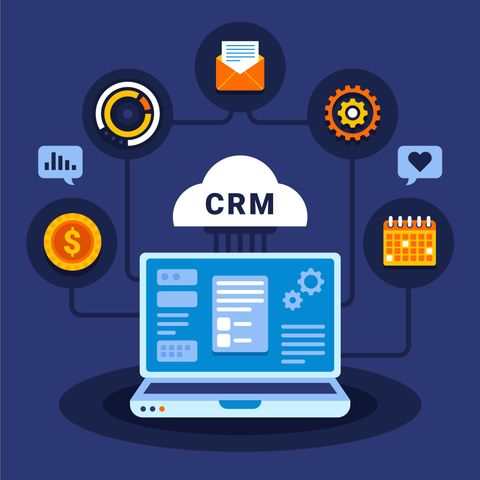
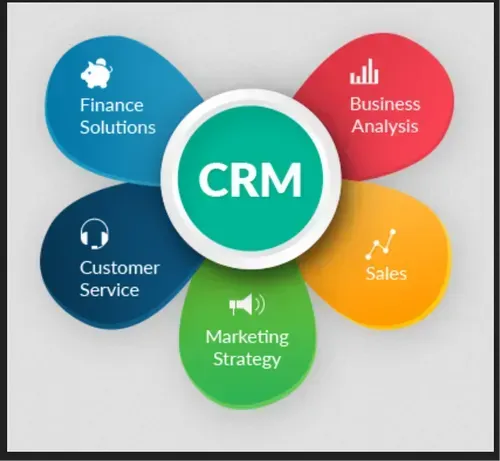
Modern CRM platforms function as integrated ecosystems. They often include:
• Contact and account databases
• Interaction tracking across channels
• Marketing automation workflows
• Sales pipeline visualization
• Customer support case management
• Analytics dashboards for decision-making
Many systems operate through cloud infrastructure, enabling access from multiple devices and locations. Well-known examples include Salesforce, Microsoft Dynamics 365, HubSpot, and Zoho CRM.
Importance — Why CRM Platforms Matter Today
CRM platforms play a central role in digital business operations. Organizations increasingly rely on data-driven insights to guide communication, improve service quality, and understand behavior patterns. Without structured systems, information fragmentation leads to inefficiencies and inconsistent experiences.
Key groups affected include:
• Small and medium enterprises managing growing client bases
• Large organizations coordinating teams across regions
• Customer support teams handling service requests
• Marketing teams analyzing engagement data
• Public sector organizations managing citizen interactions
Problems CRM platforms help address:
• Disorganized contact information
• Lack of visibility into communication history
• Difficulty tracking leads and opportunities
• Limited understanding of customer behavior
• Inefficient collaboration between departments
A simplified comparison illustrates how structured CRM systems change workflow efficiency.
| Activity | Without CRM | With CRM Platform |
|---|---|---|
| Contact tracking | Separate spreadsheets | Centralized database |
| Communication history | Fragmented records | Timeline view |
| Team coordination | Manual updates | Shared dashboards |
| Reporting | Time-consuming aggregation | Automated analytics |
| Customer insights | Limited visibility | Data-driven patterns |
CRM adoption has expanded due to remote work environments, mobile access expectations, and increased digital interactions. Organizations increasingly view relationship data as a strategic asset that informs planning, operations, and service delivery.
Recent Updates — Trends and Developments in the Past Year
Several notable developments have shaped CRM platforms between 2024 and early 2025. These changes reflect broader trends in artificial intelligence, data governance, and platform integration.
Artificial intelligence integration accelerated significantly in 2024. Many CRM providers introduced AI-assisted features for predictive analytics, automated summarization of interactions, and pattern recognition across engagement data. These capabilities aim to enhance decision support rather than replace human judgment.
Data privacy functionality expanded in response to global regulatory pressure. Throughout 2024, platform updates emphasized consent tracking, data retention controls, and audit logging features. These changes align with growing expectations for transparent data management.
Low-code customization tools gained momentum in late 2024. Organizations increasingly configure workflows through visual interfaces rather than traditional programming, enabling faster adaptation to operational needs.
Interoperability also improved. In 2025, CRM ecosystems increasingly connect with analytics platforms, communication tools, and enterprise resource planning systems through standardized interfaces. This shift supports unified data environments.
A simplified trend overview:
| Trend | Direction | Impact |
|---|---|---|
| AI-assisted analytics | Rapid growth in 2024 | Enhanced forecasting and insights |
| Data governance features | Expanded controls | Stronger compliance alignment |
| Cloud-native architecture | Continued adoption | Scalable infrastructure |
| Low-code workflow design | Increased usage | Faster system configuration |
| Cross-platform integration | Wider connectivity | Unified data environments |
These developments reflect a broader movement toward intelligent, integrated, and regulation-aware digital management systems.
Laws or Policies — Regulatory and Governance Considerations
CRM platforms manage personal data, making regulatory compliance a central concern. Requirements vary by jurisdiction but share common principles: transparency, security, accountability, and data minimization.
A major global framework influencing CRM design is the General Data Protection Regulation (GDPR), implemented across the European Union. GDPR establishes rules for data processing, consent management, and individual rights such as access and erasure. CRM systems operating in or interacting with EU data must support these requirements.
Other regulatory environments influencing CRM practices include:
• Data protection frameworks in North America emphasizing security and breach reporting
• Consumer privacy laws in Asia-Pacific regions focusing on consent and data localization
• Sector-specific rules affecting finance, healthcare, and telecommunications
Common compliance features in CRM platforms include:
• Consent recording and management
• Access control and user permissions
• Data encryption and security monitoring
• Audit trails of data activity
• Configurable data retention policies
Organizations must configure CRM systems in accordance with applicable laws rather than relying solely on default settings. Compliance depends on how data is collected, stored, processed, and shared within the organization.
Tools and Resources — Platforms, Knowledge Sources, and Management Aids
A variety of tools and resources support CRM understanding, implementation, and ongoing management. These resources help users navigate system capabilities and maintain structured data environments.
Widely recognized CRM platforms:
• Salesforce — enterprise-scale platform with extensive customization
• Microsoft Dynamics 365 — integrated with productivity and analytics tools
• HubSpot — platform with marketing and engagement focus
• Zoho CRM — modular system with workflow configuration
Educational and documentation resources:
• Official product documentation libraries
• Data governance guidelines from regulatory authorities
• Academic publications on relationship management systems
• Technology standards organizations providing interoperability frameworks
Practical management tools:
• Data quality assessment templates
• Workflow mapping diagrams
• Analytics dashboards for performance monitoring
• Integration frameworks for cross-platform connectivity
Example of a simplified CRM workflow model:
| Stage | Typical Data Captured | Purpose |
|---|---|---|
| Contact entry | Name, organization, communication channel | Identification |
| Interaction tracking | Messages, meetings, requests | Relationship history |
| Opportunity monitoring | Status, timeline, engagement metrics | Progress visibility |
| Service management | Issues, responses, resolution steps | Support coordination |
| Analytics reporting | Trends, patterns, outcomes | Strategic insight |
These resources help organizations structure processes rather than relying on ad-hoc methods.
FAQs — Common Questions About CRM Platforms
What is the difference between CRM software and a contact database
A contact database stores basic information, while a CRM platform tracks interactions, workflows, analytics, and relationship history across multiple channels.
Are CRM platforms only used by large organizations
No. Organizations of various sizes use CRM platforms to manage information systematically. The scale of deployment varies based on operational complexity.
How does a CRM platform improve data accuracy
Centralized data entry, standardized fields, and audit tracking reduce duplication and inconsistencies compared with fragmented record systems.
Do CRM platforms replace human interaction
They support human decision-making by organizing information. Communication strategies and relationship building remain human-led activities.
Can CRM systems integrate with other digital tools
Most modern platforms support integration with communication tools, analytics systems, and enterprise software through standardized interfaces.
Conclusion — Understanding CRM as a Foundation for Organized Relationships
CRM platforms exist to structure relationship information in an increasingly data-driven environment. They centralize communication history, support coordinated workflows, and provide analytical insights that inform decision-making. Their importance continues to grow as digital interactions expand and regulatory expectations evolve.
Recent developments emphasize artificial intelligence, data governance, and system interoperability. At the same time, legal frameworks require careful data handling practices. Organizations adopting CRM platforms must balance operational efficiency with responsible data management.
Understanding CRM platforms involves more than software knowledge. It includes awareness of data stewardship, workflow design, and compliance principles. As digital ecosystems continue to expand, structured relationship management remains a foundational component of modern organizational operations.
Disclaimer: This article provides general educational information about CRM platforms and related practices. It does not constitute legal, technical, or regulatory advice. Requirements may vary based on jurisdiction and organizational context.