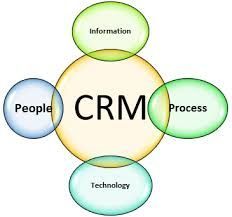
The concept of CRM emerged as businesses began shifting from paper-based records to digital databases. Over time, CRM systems evolved into advanced enterprise CRM platforms integrating artificial intelligence, predictive analytics, and workflow automation.
Today’s CRM software platforms support functions such as:
-
Customer data management
-
Sales pipeline management
-
Marketing automation tools
-
Customer support ticketing
-
Lead tracking and scoring
-
Business intelligence dashboards
At its core, CRM technology exists to help organizations manage long-term customer relationships more effectively and improve operational visibility across departments.
Why CRM Platforms Matter Today
In a digital economy where customer interactions happen across websites, social media, messaging apps, and email, managing fragmented data can create inefficiencies. CRM systems address this challenge by consolidating information into a unified customer database.
CRM platforms are relevant for:
Key problems CRM software helps solve include:
-
Disorganized customer information
-
Missed follow-ups in sales pipelines
-
Inconsistent customer communication
-
Limited reporting and analytics visibility
-
Inefficient cross-department collaboration
Advanced enterprise CRM systems also integrate with tools like SAP and Oracle Corporation, enabling enterprise resource planning (ERP) and customer data platform (CDP) connectivity.
Below is a simplified comparison table of CRM categories:
| CRM Type | Primary Focus | Typical Users | Key Features |
|---|
| Operational CRM | Sales & support processes | Sales teams | Lead tracking, ticket management |
| Analytical CRM | Data insights | Analysts & executives | Reporting, predictive analytics |
| Collaborative CRM | Communication sharing | Multi-department teams | Shared dashboards, integrated messaging |
Modern CRM software increasingly uses artificial intelligence for:
These capabilities support data-driven decision-making and improve customer lifecycle management.
Recent Updates and Emerging Trends
Over the past year, CRM platforms have seen rapid innovation driven by AI and automation.
In 2025, major vendors expanded AI-powered CRM tools for real-time customer insights. For example, Salesforce enhanced generative AI integrations within its ecosystem to automate customer interaction summaries and reporting dashboards.
Similarly, Microsoft strengthened AI copilots within Microsoft Dynamics 365, improving workflow automation and intelligent recommendations.
Key CRM trends observed in 2025 include:
-
Increased adoption of AI-driven CRM automation
-
Greater emphasis on data privacy compliance
-
Integration with customer data platforms (CDPs)
-
Expansion of omnichannel communication tools
-
Growth of vertical-specific CRM solutions
Another emerging trend is low-code and no-code CRM customization, enabling organizations to tailor dashboards and workflows without extensive programming expertise.
Laws and Regulatory Considerations
CRM platforms handle sensitive personal data, making regulatory compliance essential. Organizations using CRM software must adhere to applicable data protection and privacy regulations in their operating regions.
Globally recognized frameworks influencing CRM usage include:
-
European Union General Data Protection Regulation (GDPR)
-
Federal Trade Commission guidelines on data protection and transparency
-
Data localization and cybersecurity regulations in various jurisdictions
Key compliance considerations for CRM implementation:
-
Clear customer consent tracking
-
Data encryption standards
-
Secure cloud hosting infrastructure
-
Role-based access controls
-
Data retention policies
-
Audit logs and monitoring systems
Organizations must ensure that CRM systems include features supporting:
-
Data subject access requests (DSARs)
-
Right to erasure workflows
-
Data breach notification protocols
Failure to align CRM data practices with regulatory requirements can lead to reputational and legal risks. Therefore, compliance-friendly CRM architecture is increasingly prioritized during vendor selection.
Tools, Platforms, and Helpful Resources
Several tools complement CRM platforms to improve productivity and analytics capabilities.
Common integrations include:
-
Email marketing automation software
-
Business intelligence dashboards
-
Accounting systems
-
Project management tools
-
Customer support chat systems
Practical tips when evaluating CRM platforms:
-
Define measurable business objectives
-
Identify required integrations early
-
Assess scalability and user access controls
-
Review data export and reporting capabilities
-
Evaluate AI-powered CRM analytics features
Many organizations also rely on data migration templates, workflow automation blueprints, and CRM implementation checklists to reduce operational disruption during transition phases.
Frequently Asked Questions
What is the main purpose of a CRM platform?
A CRM platform centralizes customer information, streamlines communication, and supports data-driven decision-making across sales, marketing, and support functions.
How does cloud CRM software differ from on-premise CRM systems?
Cloud CRM software is hosted remotely and accessed via web browsers, while on-premise CRM systems are installed locally on organizational servers. Cloud solutions typically provide scalability and automatic updates.
Can CRM platforms improve data security?
Yes, many enterprise CRM systems include encryption, role-based permissions, audit logs, and compliance tools that enhance data governance.
Is CRM only useful for large enterprises?
No. Small and medium-sized businesses also use CRM systems to organize customer data and automate communication processes.
What industries use CRM platforms the most?
Industries such as finance, healthcare, retail, education, technology, and manufacturing frequently adopt CRM software to manage customer interactions and reporting analytics.
Conclusion
CRM platforms have become essential digital infrastructure for managing customer relationships in a data-driven environment. By centralizing customer data management, enabling AI-powered CRM automation, and supporting compliance requirements, these systems improve operational clarity and long-term customer engagement.
With ongoing advancements in artificial intelligence, omnichannel communication, and predictive analytics, CRM software continues to evolve into a strategic business intelligence tool rather than just a contact management system.
Organizations evaluating enterprise CRM platforms should focus on scalability, integration flexibility, regulatory compliance features, and long-term data strategy alignment. A structured and informed approach ensures that CRM technology supports sustainable growth, transparent communication, and responsible data governance.