CNC Parts Explained Guide With Precision Manufacturing Insights And Details
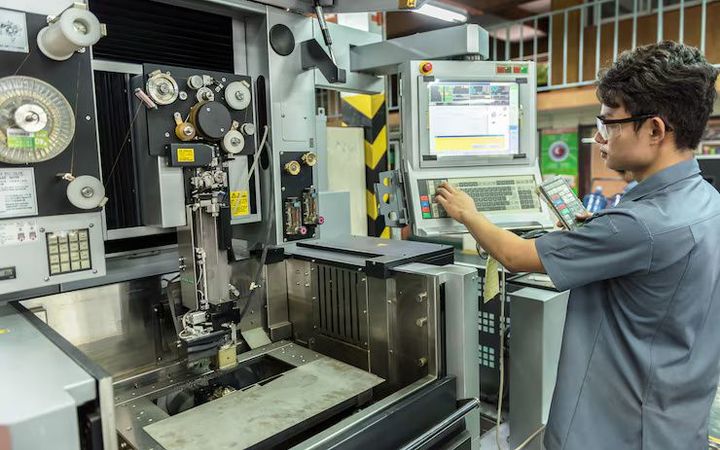
Computer Numerical Control (CNC) parts are components manufactured using automated machining equipment controlled by computer programs. CNC technology enables manufacturers to produce highly accurate, repeatable, and complex parts for industries such as aerospace, automotive, healthcare, electronics, energy, industrial equipment, and consumer products. CNC machining has become one of the most important manufacturing methods because it combines precision, efficiency, and consistency while supporting both prototype development and large-scale production.
This topic remains highly relevant because modern industries increasingly require components with tighter tolerances, improved quality standards, and greater production efficiency. According to global manufacturing research, CNC machining continues to play a central role in advanced manufacturing due to its ability to produce complex geometries while maintaining consistent performance. As industries adopt automation, digital manufacturing technologies, and precision engineering practices, CNC-produced components remain essential to product development and industrial operations.
The impact of CNC parts extends beyond factory floors. These components are used in transportation systems, medical devices, industrial machinery, communication equipment, renewable energy infrastructure, and countless everyday products. Understanding how CNC parts are manufactured helps engineers, designers, procurement professionals, manufacturers, and business leaders make informed decisions regarding production methods and component selection. This naturally leads into who CNC parts affect and the challenges they help solve.
Who It Affects & Problems It Solves
CNC parts affect manufacturers, engineers, product designers, maintenance professionals, quality assurance teams, procurement specialists, and industrial organizations worldwide. Companies rely on CNC machining to produce components that meet precise specifications and performance requirements. Industries that require reliability, accuracy, and repeatability frequently depend on CNC-manufactured parts for critical applications.
Without CNC machining capabilities, organizations would often face challenges related to dimensional accuracy, production consistency, manufacturing efficiency, and product quality. Traditional machining methods can be effective for many applications but may require additional labor, longer production times, and increased variation between parts. CNC machining helps solve these challenges by automating manufacturing processes and maintaining precise control over cutting operations.
A common misconception is that all CNC parts are identical regardless of manufacturing method. In reality, CNC milling, turning, drilling, grinding, and multi-axis machining processes each produce different types of components and capabilities. Another challenge involves selecting appropriate materials and machining strategies for specific applications. Understanding these factors helps organizations achieve better production outcomes and naturally connects to recent developments in CNC manufacturing.
Recent Updates
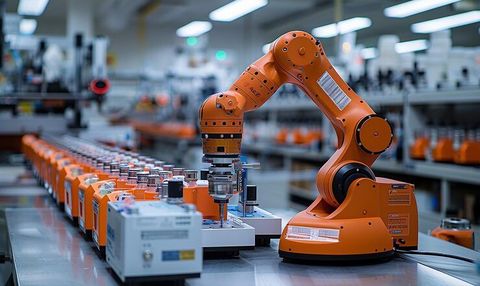
Over the past year, CNC manufacturing facilities have continued increasing investments in automation technologies. Advanced robotics, automated tool management systems, and intelligent production monitoring platforms are helping manufacturers improve productivity and reduce manual intervention. These technologies contribute to more efficient and reliable production environments.
In early 2026, digital manufacturing integration remained a major industry trend. CNC machines increasingly operate within connected production environments that combine machine monitoring, production analytics, predictive maintenance, and quality management systems. This integration supports greater visibility and operational efficiency.
Another important development involves the use of advanced materials. Manufacturers continue machining high-performance alloys, engineered plastics, composites, and specialty materials for demanding industrial applications. CNC technology has evolved to accommodate increasingly sophisticated material requirements.
At the same time, sustainability initiatives have influenced machining operations. Organizations are exploring energy-efficient equipment, optimized cutting strategies, and improved material utilization practices to reduce waste while maintaining production quality. These developments provide valuable context for comparing CNC manufacturing methods and component applications.
Comparison Table
The table below compares common CNC machining processes and the types of parts they typically produce.
| CNC Process | Primary Function | Key Advantage | Limitation | Typical Parts |
|---|---|---|---|---|
| CNC Milling | Material removal from surfaces | Complex geometries | Longer setup time | Housings and brackets |
| CNC Turning | Rotational machining | High precision for round parts | Limited shape flexibility | Shafts and bushings |
| CNC Drilling | Hole creation | Fast processing | Specific applications | Fastener components |
| CNC Grinding | Surface finishing | High accuracy | Slower production speed | Precision components |
| Multi-Axis Machining | Complex part production | Reduced setups | Higher equipment cost | Aerospace parts |
| CNC Routing | Cutting softer materials | Efficient processing | Material limitations | Panels and plastics |
| Wire EDM | Electrical cutting process | Exceptional precision | Slower operation | Tooling components |
| CNC Boring | Internal diameter machining | Accurate dimensions | Specialized application | Cylindrical parts |
| CNC Tapping | Thread creation | Consistent threading | Limited scope | Fastening systems |
| Hybrid CNC Systems | Combined processes | Manufacturing flexibility | Greater complexity | Advanced components |
The comparison demonstrates that different CNC processes serve different manufacturing objectives. Some prioritize speed, while others focus on precision, complexity, or surface quality. Understanding these distinctions provides a useful transition into regulations and practical manufacturing guidance.
Regulations & Practical Guidance
In most countries, CNC manufacturing operations function within broader frameworks related to workplace safety, quality management, environmental responsibility, and industrial production standards. Regulatory authorities generally require manufacturers to maintain safe working environments, implement equipment safeguards, and follow operational procedures designed to protect personnel and maintain product quality.
International manufacturing standards frequently emphasize process control, quality assurance, dimensional verification, material traceability, and documentation practices. CNC manufacturers are often expected to establish inspection procedures that verify components meet specified requirements before delivery. These measures help support reliability and customer confidence.
Another practical consideration involves selecting the correct machining process. Engineers typically evaluate material characteristics, dimensional tolerances, production volumes, surface finish requirements, and operational performance expectations before choosing a CNC manufacturing method. Careful planning helps ensure efficient production and optimal component performance.
Which Option Suits Your Situation?
A manufacturer producing high-volume cylindrical components may benefit from CNC turning because it provides efficient production and excellent dimensional accuracy for rotational parts. This approach is commonly used in automotive and industrial applications.
An organization requiring complex geometries and detailed features may prioritize CNC milling or multi-axis machining technologies. These methods support intricate designs and advanced engineering requirements.
A business developing highly precise tooling components may consider wire EDM or grinding processes because they provide exceptional accuracy and fine surface finishes. These capabilities are particularly valuable in specialized manufacturing sectors.
A product developer creating prototypes may benefit from flexible CNC machining systems capable of producing small production runs while maintaining design accuracy. Matching manufacturing methods to project objectives often contributes to better outcomes. These considerations naturally connect to useful industry resources.
Tools & Resources
Several resources can help professionals better understand CNC parts and precision manufacturing technologies.
Manufacturing Industry Publications — Provide insights into machining technologies, production trends, and industrial developments.
Engineering Design Resources — Explain component design principles and manufacturability considerations.
Materials Science Guides — Support evaluation of metals, plastics, composites, and specialty materials.
Quality Management Frameworks — Offer information regarding inspection procedures and production consistency.
Industrial Automation Resources — Discuss smart manufacturing technologies and digital production systems.
Technical Training Platforms — Provide education regarding CNC programming, machining, and process optimization.
Professional Engineering Associations — Offer industry knowledge, standards information, and technical guidance.
These resources support informed decision-making and continuous improvement initiatives, which naturally lead into frequently asked questions.
Frequently Asked Questions
What are CNC parts?
CNC parts are components manufactured using computer-controlled machining equipment. These machines follow programmed instructions to cut, shape, drill, or finish materials with high levels of precision and consistency.
Who uses CNC-manufactured components?
CNC parts are used by aerospace companies, automotive manufacturers, healthcare organizations, electronics producers, industrial equipment suppliers, and numerous other industries that require precision-engineered components.
Why is CNC machining important?
CNC machining provides accuracy, repeatability, efficiency, and flexibility. These capabilities allow manufacturers to produce complex parts while maintaining consistent quality and meeting demanding engineering specifications.
Can CNC machines work with different materials?
Yes. CNC machines can process a wide range of materials, including aluminum, steel, titanium, brass, plastics, composites, and specialty alloys. Material selection depends on the intended application and performance requirements.
What is the difference between CNC milling and CNC turning?
CNC milling removes material using rotating cutting tools while the workpiece remains relatively stationary. CNC turning rotates the workpiece while cutting tools shape it. Each process is suited to different component geometries and manufacturing objectives.
Conclusion
CNC parts remain fundamental to modern manufacturing because they support precision engineering, production consistency, and efficient industrial operations. The most important takeaway is that different CNC processes are designed for different applications, materials, and performance requirements. Selecting the appropriate manufacturing method plays a critical role in achieving successful outcomes.
For most organizations, the best approach involves carefully evaluating component specifications, production volumes, material characteristics, and quality requirements before choosing a machining strategy. Strategic planning often contributes significantly to manufacturing efficiency and product reliability.
As advanced manufacturing technologies continue evolving globally, CNC machining systems will likely become increasingly automated, connected, intelligent, and integrated with digital production platforms, helping organizations achieve higher levels of precision, productivity, and innovation.