Chemical Plant Equipment Manufacturing Explained: Process Systems, Machinery & Industrial Applications
Chemical plant equipment plays a major role in modern industrial production. From chemical processing and petroleum refining to pharmaceutical manufacturing and water treatment, industrial facilities rely on specialized equipment to handle complex operations safely and efficiently.
Modern chemical plant equipment manufacturing combines precision engineering, advanced fabrication methods, industrial automation, and strict quality control standards. These systems are designed to operate under demanding conditions involving pressure, heat, chemicals, and continuous production environments.
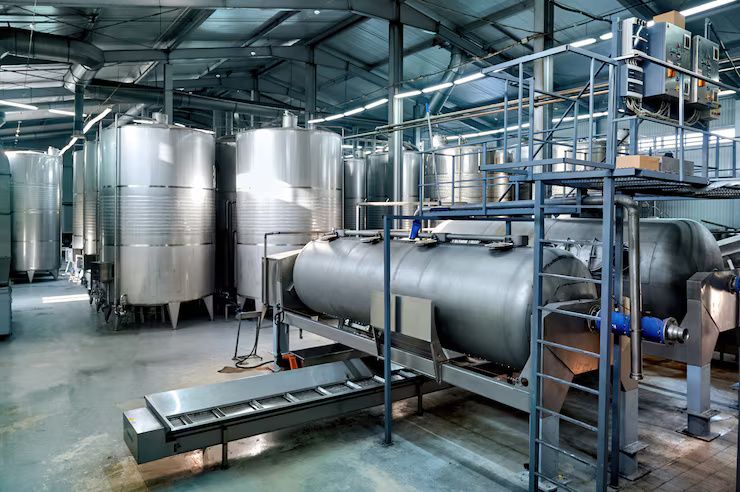
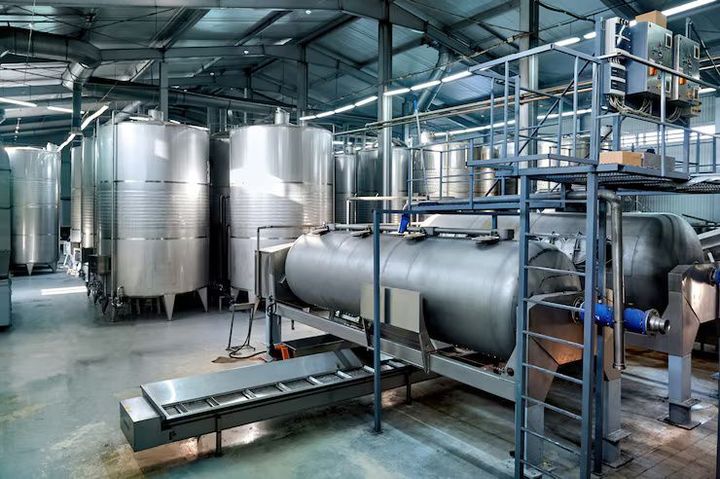
In this guide, we’ll explore how chemical plant equipment is manufactured, the process systems involved, the machinery used during production, and the industrial applications that make this sector essential across multiple industries.
What Is Chemical Plant Equipment Manufacturing?
Chemical plant equipment manufacturing is the industrial process of designing and producing machinery, vessels, pipelines, and processing systems used in chemical and industrial plants.
These systems are developed to support chemical reactions, fluid handling, heating, cooling, storage, and material processing operations.
Modern manufacturing facilities focus on:
- High structural strength and durability
- Corrosion and pressure resistance
- Precision fabrication and assembly
- Reliable long-term industrial performance
These factors help ensure operational safety and process efficiency.
Importance of Equipment in Chemical Plants
Chemical processing facilities depend heavily on specialized equipment to maintain controlled production environments.
Without reliable equipment systems, industries would struggle to manage temperature, pressure, chemical flow, and reaction processes safely.
Industrial equipment helps support:
- Material handling and storage
- Process automation and monitoring
- Heat transfer and pressure control
- Safe and efficient production operations
Because of these functions, equipment manufacturing remains a critical part of industrial infrastructure development.
Common Types of Chemical Plant Equipment
Different processing plants require different equipment categories depending on operational requirements.
Reactors and Pressure Vessels
Reactors are used for controlled chemical reactions under specific temperature and pressure conditions.
Pressure vessels help contain fluids and gases safely during industrial operations.
Heat Exchangers
Heat exchangers transfer heat between fluids while maintaining process efficiency.
These systems are widely used in refineries, power plants, and processing industries.
Storage Tanks
Industrial tanks store liquids, chemicals, gases, and raw materials used during production.
Pumps and Piping Systems
Pumps move fluids throughout industrial systems, while pipelines connect different processing units.
Filtration and Separation Systems
These systems help separate particles, chemicals, and impurities during industrial processing.
Raw Materials Used in Equipment Manufacturing
The performance and durability of chemical plant equipment depend heavily on material selection.
Common Materials
- Carbon steel for structural strength
- Stainless steel for corrosion resistance
- Alloy metals for high-temperature applications
- Specialized coatings for chemical protection
Material selection depends on operating pressure, temperature, and chemical exposure conditions.
For example, stainless steel equipment is widely used in corrosive processing environments because of its durability and resistance.
Chemical Plant Equipment Manufacturing Process
The manufacturing process involves several production stages designed to ensure safety, precision, and long-term reliability.
1. Design and Engineering
The process begins with detailed engineering and technical planning.
Manufacturers develop equipment designs based on industrial operating conditions and process requirements.
Computer-aided design systems help improve accuracy and performance evaluation.
2. Material Preparation
Raw materials are selected, inspected, and prepared for fabrication.
Proper material handling is important because defects can affect equipment strength and safety.
3. Cutting and Fabrication
Metal sheets, pipes, and structural materials are cut and shaped using industrial fabrication equipment.
This stage helps create the primary structure of tanks, vessels, and processing systems.
4. Welding and Assembly
Fabricated components are joined together using industrial welding techniques.
Precision welding is critical because poor joints may affect pressure resistance and durability.
Modern systems help ensure:
- Strong structural connections
- Accurate dimensional alignment
- Reliable long-term performance
5. Machining and Finishing
Machining operations refine surfaces, openings, and mechanical connections.
Additional finishing processes may include polishing, grinding, and protective coating application.
6. Pressure Testing and Inspection
Equipment undergoes strict inspection and performance testing before approval.
Testing may include:
- Pressure resistance evaluation
- Leakage inspection
- Structural integrity checks
- Safety and performance verification
These tests help ensure compliance with industrial standards.
7. Surface Protection and Coating
Protective coatings are applied to improve corrosion resistance and equipment lifespan.
This stage is especially important for chemical processing environments.
8. Packaging and Industrial Delivery
Finished equipment is prepared for transportation and installation at industrial facilities.
Machinery Used in Manufacturing Plants
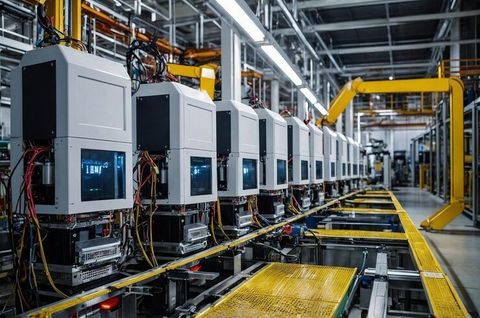
Modern chemical equipment manufacturing relies heavily on advanced industrial machinery and fabrication systems.
Common Machinery
- CNC cutting and machining systems
- Industrial welding equipment
- Metal rolling and forming machines
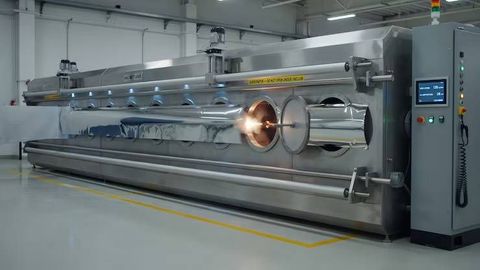
- Pressure testing systems
- Surface finishing and coating equipment
- Automated fabrication systems
These machines help improve manufacturing precision and production efficiency.
Automation also reduces fabrication errors and improves consistency.
Importance of Quality Control in Manufacturing
Quality control is extremely important because chemical plant equipment often operates under high pressure and hazardous conditions.
Manufacturers carefully monitor:
- Material quality and thickness
- Welding strength and integrity
- Pressure handling capability
- Corrosion resistance and durability
Strict inspection procedures help improve operational reliability and industrial safety.
Industrial Applications of Chemical Plant Equipment
Chemical plant equipment is used across multiple industries and infrastructure sectors.
Chemical Processing Industry
Reactors, storage tanks, and pipelines support chemical production and material handling operations.
Oil and Gas Industry
Refineries and processing facilities rely heavily on pressure vessels, pumps, and heat exchangers.
Pharmaceutical Manufacturing
Specialized processing systems support controlled production environments and material handling operations.
Water Treatment Plants
Filtration systems, tanks, and pumps help manage water purification and processing activities.
Food and Beverage Processing
Industrial processing systems support large-scale production and fluid management operations.
These applications demonstrate the importance of chemical plant equipment in modern industry.
Advantages of Modern Equipment Manufacturing
Modern manufacturing technologies provide several important benefits.
Key Advantages
- Improved fabrication precision
- Better pressure and corrosion resistance
- Efficient large-scale production
- Enhanced automation and safety control
These improvements help manufacturers meet growing industrial demands efficiently.
Challenges in Chemical Equipment Manufacturing
Despite advanced technologies, manufacturers still face several production challenges.
Maintaining precise welding and fabrication quality is critical because small defects can affect equipment safety.
Material handling and corrosion protection also require careful management in demanding industrial environments.
Manufacturers must additionally comply with strict industrial safety standards and environmental regulations.
Future Trends in Chemical Plant Equipment Manufacturing
The industry continues evolving with advanced automation systems and smart manufacturing technologies.
Emerging Trends
- Smart process monitoring systems
- Automated fabrication technologies
- Advanced corrosion-resistant materials
- Energy-efficient industrial equipment designs
These innovations are helping improve production efficiency and operational reliability.
Practical Example of Chemical Plant Equipment Usage
Consider a large chemical processing facility where reactors, pumps, heat exchangers, and filtration systems operate together as part of a connected production system.
Each equipment category performs a specific function while supporting safe and efficient industrial operations.
Automated monitoring systems may also track temperature, pressure, and flow conditions continuously.
This example highlights how integrated process systems support modern industrial production.
Conclusion
Chemical plant equipment manufacturing is a highly specialized industrial process that combines precision engineering, metal fabrication, advanced machinery, and strict quality control systems.
From design and fabrication to testing and finishing, every stage contributes to equipment safety, durability, and long-term industrial performance.
As industrial infrastructure continues advancing, modern chemical plant equipment manufacturing will remain essential for supporting efficient, reliable, and safe processing operations across global industries.