Cars24 Resources for Understanding Vehicle Exchange Platforms
Cars24 is a digital automotive platform focused on vehicle exchange, inspection, ownership transfer, and related mobility solutions. It operates mainly through online systems and mobile applications that simplify how individuals interact with the pre-owned vehicle ecosystem.
The platform combines automotive technology, data analytics, vehicle inspection systems, and digital documentation processes. Over the past few years, digital vehicle marketplaces have become increasingly important as consumers seek transparent information, faster transactions, and organized automotive records.

Cars24 is part of a broader transformation in the automotive industry where traditional dealership models are being supplemented by digital-first platforms. These systems help streamline vehicle discovery, evaluation, and paperwork management.
How Cars24 Works in Practice
Cars24 functions through a structured digital process that connects vehicle owners, inspection teams, and platform-based operations. The workflow is designed to reduce manual procedures and improve record accuracy.
The general process includes:
Vehicle Information Submission
- Users enter vehicle details through the platform
- Information may include registration year, model, mileage, and condition
- Digital records are processed using automotive databases
- Inspection teams assess exterior, interior, engine, and documentation
- AI vehicle valuation systems analyze market trends and vehicle conditions
- Inspection reports create standardized evaluation summaries
Documentation and Ownership Transfer
- Registration verification is completed digitally
- Ownership transfer paperwork is organized through regulated procedures
- Identity and compliance checks help reduce documentation errors
- Mobile applications provide vehicle tracking and updates
- Online dashboards improve communication between stakeholders
- Automated notifications simplify process monitoring
This structured approach reduces delays commonly associated with conventional automotive transactions.
Why Digital Automotive Platforms Matter
Digital automotive marketplaces solve several long-standing challenges in the vehicle ecosystem. Historically, vehicle exchanges involved fragmented paperwork, inconsistent inspections, and limited transparency.
Modern automotive technology platforms help address these issues through standardized systems and centralized information management.
Key Benefits of Digital Platforms
- Improved transparency in vehicle records
- Faster inspection and documentation processes
- Better access to automotive market data
- Reduced paperwork complexity
- Enhanced user convenience through mobile technology
The increasing use of artificial intelligence and machine learning in vehicle evaluation has also improved the accuracy of automotive data processing.
Important Features Associated With Cars24
Cars24 includes multiple technology-driven components that support automotive operations. These features reflect broader developments in digital mobility infrastructure.
| Feature | Purpose | Industry Importance |
|---|---|---|
| AI Vehicle Valuation | Estimates vehicle market positioning | Improves pricing consistency |
| Digital Documentation | Organizes ownership records | Reduces paperwork delays |
| Mobile Applications | Provides user access and updates | Enhances convenience |
| Vehicle Inspection Reports | Standardizes condition assessments | Improves transparency |
| Data Analytics Systems | Tracks automotive market trends | Supports informed decisions |
| RC Transfer Assistance | Helps manage registration processes | Simplifies compliance procedures |
Automotive Technology Behind Modern Vehicle Platforms
Digital automotive ecosystems rely heavily on software infrastructure and cloud-based systems. Cars24 and similar platforms use integrated technologies to process large volumes of automotive information.
Technologies Commonly Used
- Artificial intelligence for valuation systems
- Cloud computing for record storage
- Machine learning for market trend analysis
- Mobile technology for user interaction
- Digital verification systems for compliance checks
These technologies support scalability and improve operational efficiency across multiple regions.
The rise of connected mobility systems has also encouraged automotive platforms to adopt more advanced digital infrastructure.
Real-World Applications of Vehicle Marketplace Platforms
Digital automotive platforms are used in several practical scenarios beyond standard vehicle exchanges.
Common Use Cases
- Vehicle ownership transfer management
- Automotive documentation verification
- Vehicle history tracking
- Fleet management support
- Consumer automotive research
- Used vehicle marketplace analysis
Businesses operating vehicle fleets also use automotive platforms to monitor asset records and maintain compliance documentation.
In urban environments, digital mobility platforms help reduce administrative inefficiencies linked to vehicle registration systems.
Recent Trends and Developments in 2025
The automotive technology sector has experienced rapid evolution during the past year. Several important developments are influencing platforms like Cars24.
AI-Powered Automotive Systems
In 2025, AI-driven vehicle evaluation systems became more accurate through expanded machine learning datasets. These systems now analyze regional demand patterns, mileage behavior, and maintenance histories more efficiently.
Expansion of Electric Vehicle Records
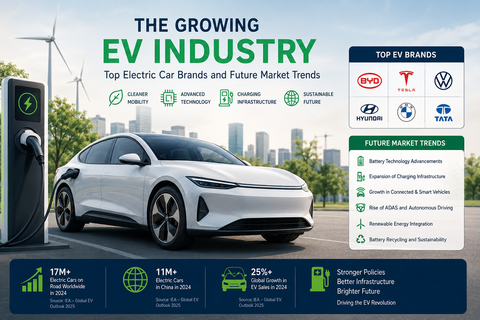
- The growth of electric vehicles has encouraged platforms to integrate battery-health reporting systems.
- Automotive databases increasingly include EV-related diagnostics and charging history information.
- Many automotive platforms improved digital verification procedures during 2025 to align with updated transport documentation requirements and cybersecurity practices.
- Consumers increasingly rely on mobile applications for vehicle-related activities.
- Automotive apps now include advanced tracking dashboards, inspection summaries, and document notifications.
Data Security Enhancements
Vehicle platforms have strengthened data protection systems to safeguard user identity records and automotive documentation.
These developments reflect broader shifts toward digitized transportation ecosystems.
Regulatory and Policy Considerations
Digital automotive platforms operate within transportation and consumer protection regulations. Compliance is essential for maintaining record accuracy and lawful ownership transfer procedures.
Areas of Regulatory Importance
- Vehicle registration compliance
- Identity verification standards
- Data privacy regulations
- Consumer protection frameworks
- Digital documentation policies
In India, vehicle registration systems are governed through regional transport authority frameworks. Platforms must align with evolving digital documentation standards and electronic verification requirements.
Cybersecurity regulations are also becoming increasingly important due to the growing amount of digital automotive data stored online.
Learning Resources and Automotive Platforms
People interested in automotive technology and digital mobility systems can explore several useful learning resources.
Helpful Platforms and Tools
- Automotive technology blogs
- Mobility research publications
- Vehicle history tracking systems
- Digital transport authority portals
- Automotive analytics platforms
- Mobile vehicle management applications
Educational platforms focusing on AI, cloud computing, and mobility technology also provide useful insights into how automotive ecosystems operate.
Industry reports published by transportation research organizations help explain changing automotive trends and vehicle marketplace developments.
Challenges in Digital Vehicle Ecosystems
Although digital automotive platforms improve efficiency, several challenges remain.
Common Industry Challenges
- Data accuracy verification
- Cybersecurity concerns
- Regional documentation differences
- Vehicle inspection standardization
- Consumer awareness regarding digital processes
Maintaining trust in digital vehicle records remains an ongoing priority for automotive technology companies.
As vehicle systems become more connected, platforms must continuously improve infrastructure reliability and data protection methods.
Future Outlook for Automotive Marketplaces
The future of automotive marketplaces will likely involve deeper integration between connected vehicles, artificial intelligence, and digital ownership systems.
Expected Developments
- Enhanced EV diagnostics integration
- Automated documentation workflows
- Blockchain-based ownership records
- Smarter predictive valuation tools
- Expanded mobility ecosystem partnerships
The increasing adoption of connected transportation systems may further transform how vehicle records and automotive interactions are managed.
Automotive platforms are also expected to support more sustainable mobility solutions as electric vehicle adoption expands globally.
FAQ
What is Cars24 primarily used for?
Cars24 is mainly used for vehicle evaluation, inspection management, ownership transfer support, and digital automotive marketplace activities.
How do digital vehicle inspection systems work?
Digital inspection systems assess vehicle condition through structured evaluations covering mechanical components, body condition, documentation, and performance indicators.
Why are AI vehicle valuation systems important?
AI vehicle valuation systems improve consistency by analyzing market trends, mileage data, regional demand, and vehicle condition patterns.
Are digital automotive platforms regulated?
Yes. Digital automotive platforms operate within transportation, documentation, consumer protection, and data privacy regulations.
What technologies support modern automotive marketplaces?
Modern automotive marketplaces use artificial intelligence, machine learning, cloud computing, mobile applications, and digital verification systems.
Conclusion
Cars24 represents a broader shift toward digital transformation in the automotive ecosystem. By combining vehicle inspection technology, digital documentation systems, AI-powered analytics, and mobile connectivity, platforms like Cars24 simplify many traditionally complex automotive processes.
The growth of connected mobility systems, electric vehicles, and intelligent automotive technologies continues to shape how vehicle marketplaces operate. As regulations evolve and digital infrastructure improves, automotive platforms are expected to become even more integrated into transportation ecosystems.
Understanding how these platforms function helps users, researchers, and automotive enthusiasts better navigate the changing landscape of modern mobility technology.