Biscuit Making Machines: Explore Guide, Tips, Insights, Advice, Facts, Knowledge, and Helpful Resources
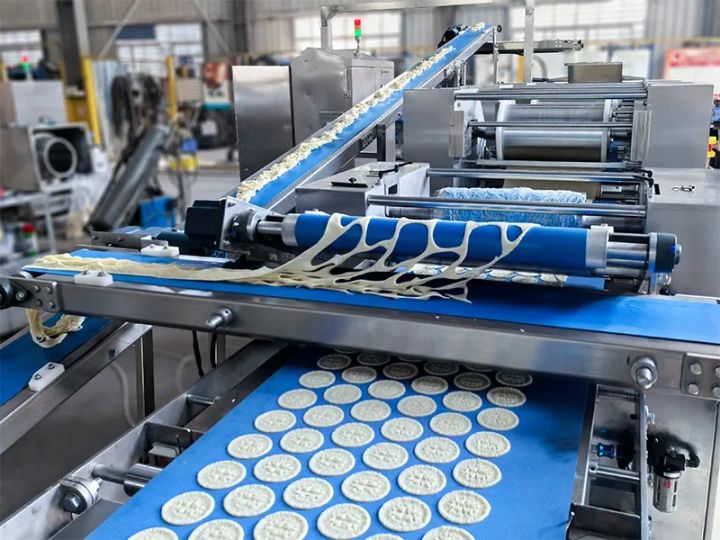
Biscuit making machines are specialized food processing systems designed to automate and streamline the production of biscuits and similar baked products. These machines perform multiple tasks such as mixing ingredients, forming dough, shaping biscuits, baking, cooling, and packaging.
The development of biscuit manufacturing equipment emerged from the need to improve production efficiency, product consistency, food safety, and quality control. As consumer demand for packaged food products increased globally, manufacturers adopted automated production lines to maintain uniform standards and meet large-scale requirements.
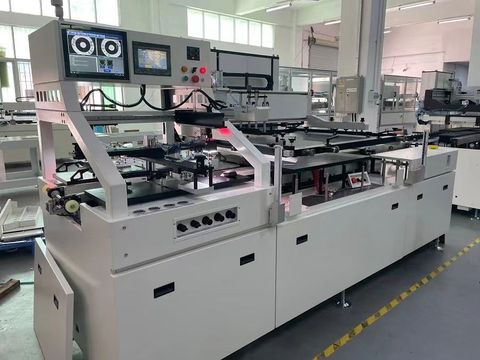
Modern biscuit production systems may include dough mixers, rotary moulders, wire-cut machines, tunnel ovens, cooling conveyors, inspection systems, and packaging units. Depending on production requirements, facilities may operate semi-automatic or fully automated lines.
The primary purpose of biscuit making machines is to ensure repeatable production processes while reducing manual handling and maintaining hygiene standards throughout manufacturing.
Why Biscuit Making Machines Matter
The food manufacturing industry relies heavily on automation to maintain product consistency and operational efficiency. Biscuit making machines play an important role in this transformation.
These systems affect several stakeholders:
- Food manufacturers
- Bakery operators
- Quality assurance teams
- Supply chain managers
- Food safety regulators
- Consumers
Some key challenges addressed by modern biscuit manufacturing equipment include:
- Consistent product size and weight
- Uniform baking quality
- Reduced production waste
- Improved food safety compliance
- Enhanced production monitoring
- Better energy utilization
- Increased operational efficiency
As food production standards become more demanding, manufacturers increasingly utilize industrial automation, predictive maintenance, production analytics, and quality control systems to optimize operations.
Common Components of a Biscuit Production Line
| Equipment Component | Primary Function |
|---|---|
| Dough Mixer | Combines ingredients uniformly |
| Dough Feeder | Transfers dough through production stages |
| Rotary Moulder | Shapes dough into biscuits |
| Wire-Cut Machine | Produces shaped biscuits from soft dough |
| Tunnel Oven | Bakes products continuously |
| Cooling Conveyor | Reduces product temperature |
| Inspection System | Checks quality and consistency |
| Packaging Unit | Prepares products for distribution |
These components work together to create an efficient and controlled manufacturing process.
Recent Updates and Industry Trends
The biscuit manufacturing sector has experienced significant technological developments during the past year.
Greater Adoption of Smart Manufacturing
Throughout 2025 and early 2026, many food processing facilities expanded the use of Industrial Internet of Things (IIoT) technologies. Connected sensors now monitor temperature, humidity, production speed, and equipment performance in real time.
These systems help operators identify maintenance needs before equipment failures occur, improving overall production reliability.
Artificial Intelligence for Quality Monitoring
Machine vision systems powered by artificial intelligence have become more common in food processing environments. These technologies can detect:
- Shape irregularities
- Surface defects
- Color variations
- Packaging inconsistencies
Automated inspection helps manufacturers maintain consistent product quality while reducing manual inspection workloads.
Focus on Energy Efficiency
Rising energy management requirements have encouraged manufacturers to adopt more efficient ovens, heat recovery systems, and production monitoring software.
Many facilities now evaluate key performance indicators such as:
- Energy consumption per production batch
- Production throughput
- Equipment utilization
- Downtime frequency
Sustainability Initiatives
Environmental considerations continue influencing equipment design. Manufacturers increasingly focus on:
- Reduced food waste
- Efficient ingredient utilization
- Lower emissions
- Improved water management
- Sustainable packaging compatibility
Technology Evolution in Biscuit Manufacturing
| Technology Area | Traditional Approach | Modern Approach |
| Monitoring | Manual inspections | Sensor-based monitoring |
| Quality Control | Visual checks | AI-powered inspection |
| Maintenance | Reactive repairs | Predictive maintenance |
| Production Data | Paper records | Digital dashboards |
| Process Control | Operator adjustments | Automated optimization |
Laws, Regulations, and Policy Considerations
Biscuit manufacturing operations are influenced by food safety regulations, manufacturing standards, and workplace requirements.
Food Safety Standards
Most countries require food manufacturers to comply with food safety frameworks that address:
- Ingredient handling
- Production hygiene
- Equipment sanitation
- Contamination prevention
- Traceability procedures
Hazard Analysis and Critical Control Point (HACCP) principles are widely used across the food processing industry to identify and manage food safety risks.
Manufacturing Compliance
Production facilities may also follow standards related to:
- Good Manufacturing Practices (GMP)
- Occupational safety requirements
- Environmental management
- Machinery safety protocols
- Product labeling regulations
Equipment Certification
Industrial food processing equipment often undergoes certification processes to verify compliance with safety and sanitation requirements.
Manufacturers typically maintain documentation related to:
- Maintenance schedules
- Inspection records
- Cleaning procedures
- Equipment performance testing
Digital Recordkeeping Requirements
Recent regulatory trends increasingly emphasize traceability and digital documentation. Electronic monitoring systems can assist facilities in maintaining production records and audit readiness.
Helpful Tools and Resources
Various digital tools support biscuit manufacturing operations and food production management.
Production Monitoring Software
These systems help track:
- Production output
- Equipment utilization
- Process performance
- Operational efficiency
Energy Consumption Calculators
Energy management tools assist facilities in analyzing:
- Oven performance
- Electricity usage
- Fuel consumption
- Operational efficiency metrics
Maintenance Management Platforms
Computerized Maintenance Management Systems (CMMS) help organizations:
- Schedule inspections
- Track equipment history
- Manage spare parts
- Monitor maintenance activities
Quality Control Applications
Quality assurance software can support:
- Inspection reporting
- Defect tracking
- Compliance documentation
- Production analytics
Educational Resources
Useful learning resources include:
- Food engineering publications
- Manufacturing technology journals
- Bakery science references
- Industrial automation guides
- Food safety training materials
Key Performance Metrics
Manufacturers commonly evaluate production effectiveness using several indicators.
| Metric | Purpose |
| Throughput Rate | Measures production volume |
| Downtime Percentage | Tracks equipment interruptions |
| Yield Rate | Evaluates usable output |
| Defect Rate | Monitors quality performance |
| Energy Efficiency | Assesses resource utilization |
| Overall Equipment Effectiveness (OEE) | Measures operational performance |
Tracking these indicators helps organizations identify opportunities for process improvement and operational optimization.
Facts About Biscuit Manufacturing Equipment
Several interesting facts highlight the importance of modern biscuit production technology.
- Continuous tunnel ovens can operate for extended production cycles.
- Automated systems improve consistency compared with manual production methods.
- Modern production lines often integrate multiple quality checkpoints.
- Digital sensors can monitor dozens of production variables simultaneously.
- Predictive maintenance technologies help reduce unexpected downtime.
- Advanced vision systems can inspect products at high production speeds.
- Data analytics increasingly supports manufacturing decision-making.
Frequently Asked Questions
What is a biscuit making machine?
A biscuit making machine is equipment designed to automate one or more stages of biscuit production, including mixing, shaping, baking, cooling, inspection, and packaging.
How do automated biscuit production lines improve efficiency?
Automation helps maintain consistent production quality, reduces manual intervention, improves process monitoring, and supports higher production throughput while maintaining food safety standards.
What types of biscuits can be produced using these machines?
Depending on the equipment configuration, manufacturers can produce various biscuit categories including molded biscuits, wire-cut biscuits, crackers, cookies, and filled biscuit products.
Why is quality control important in biscuit manufacturing?
Quality control helps ensure product consistency, food safety compliance, accurate weight specifications, appearance standards, and consumer satisfaction.
What technologies are shaping the future of biscuit manufacturing?
Key technologies include artificial intelligence, machine vision systems, Industrial Internet of Things (IIoT) sensors, predictive maintenance platforms, digital twins, advanced automation, and production analytics.
Conclusion
Biscuit making machines have become a vital part of modern food manufacturing. By automating production processes, these systems help improve consistency, operational efficiency, quality assurance, and food safety management. Recent developments in industrial automation, artificial intelligence, machine vision, and predictive maintenance continue transforming how biscuits are produced across the global food industry.
As manufacturing standards evolve, organizations increasingly focus on data-driven decision-making, energy efficiency, sustainability, and regulatory compliance. Understanding biscuit production equipment, industry trends, operational metrics, and compliance requirements provides valuable knowledge for anyone interested in food processing technology and modern manufacturing systems.
High-value industry topics associated with biscuit manufacturing include food processing automation, industrial equipment monitoring, predictive maintenance software, manufacturing analytics, industrial IoT solutions, quality control systems, energy management technology, production optimization, food safety compliance, and smart manufacturing platforms.