Best SUVs: Complete Guide to Features, Performance, and Comfort
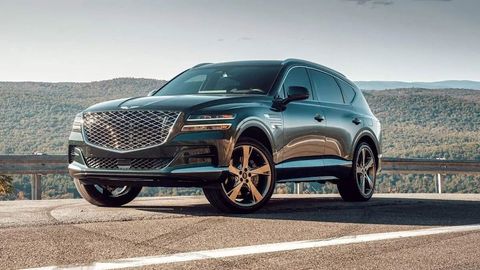
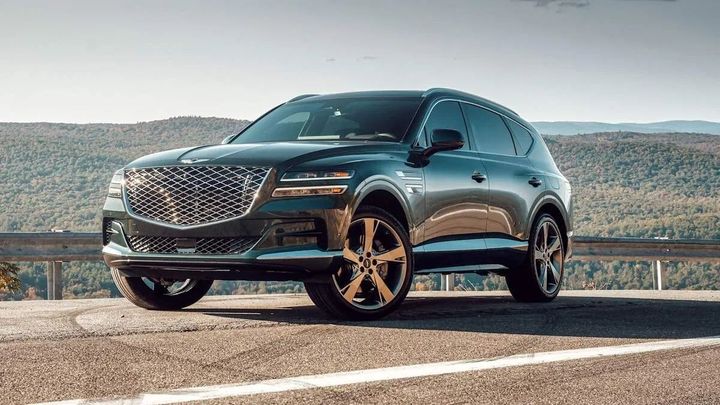
Sport Utility Vehicles, commonly known as SUVs, have become one of the most popular vehicle categories in the automotive market.
Drivers appreciate their combination of spacious interiors, strong performance, advanced safety features, and everyday practicality. Whether used for family transportation, long-distance travel, or outdoor adventures, the best SUVs provide versatility that appeals to a wide range of drivers.
Modern SUVs are available in various sizes and configurations. Some focus on fuel efficiency and urban driving, while others prioritize towing capability, off-road performance, and premium comfort. Understanding the features and characteristics of today's SUVs can help drivers identify the right vehicle for their lifestyle and transportation needs.
Understanding the Concept
An SUV is a passenger vehicle designed to combine the comfort of a standard car with the utility and capability of larger vehicles. SUVs typically provide higher ground clearance, spacious seating, flexible cargo space, and enhanced driving visibility.
Many drivers choose SUVs because they offer:
- Comfortable seating positions
- Larger storage capacity
- Advanced driver assistance technology
- Improved road visibility
- Capability for various driving conditions
The best SUVs balance performance, comfort, efficiency, and practicality while meeting the needs of different drivers and families.
Common search terms associated with this category include luxury SUV, midsize SUV, compact SUV, family SUV, SUV financing, SUV insurance, hybrid SUV, electric SUV, premium SUV, and SUV safety ratings.
Key Types or Categories
SUVs are available in several categories, each designed for specific needs and preferences.
Compact SUVs
Compact SUVs are ideal for city driving and daily commuting. They provide good fuel efficiency while maintaining practical cargo space.
Common advantages include:
- Easier parking
- Responsive handling
- Lower fuel consumption
- Comfortable passenger space
Midsize SUVs
Midsize SUVs offer additional seating and cargo capacity. They are often chosen by growing families and frequent travelers.
Benefits include:
- More interior room
- Greater passenger comfort
- Enhanced road-trip capability
- Flexible seating arrangements
Full-Size SUVs
Full-size SUVs focus on maximum passenger and cargo capacity. These vehicles are suitable for larger families and drivers requiring additional towing capability.
Features often include:
- Three-row seating
- Powerful engines
- Advanced safety systems
- Large cargo compartments
Luxury SUVs
Luxury SUVs combine premium materials, advanced technology, and refined driving experiences.
Typical features include:
- Premium interior finishes
- Advanced infotainment systems
- Enhanced sound insulation
- High-end safety technology
Hybrid and Electric SUVs
Hybrid SUV and electric SUV models continue gaining popularity due to improved efficiency and reduced emissions.
Advantages include:
- Lower fuel consumption
- Quiet operation
- Advanced energy management
- Environmentally conscious transportation
Off-Road SUVs
Off-road SUVs are engineered for challenging terrain and outdoor adventures.
Key characteristics include:
- Increased ground clearance
- Specialized traction systems
- Durable suspension components
- Terrain management features
Important Subsections
Engine Performance
Engine performance affects acceleration, towing capability, and overall driving experience.
Popular engine options include:
- Four-cylinder engines
- Turbocharged engines
- V6 engines
- Hybrid powertrains
- Electric power systems
Turbocharged engines use compressed air to improve power output without significantly increasing engine size.
Interior Comfort
Comfort remains a major factor when evaluating the best SUVs.
Important comfort features include:
- Adjustable seating
- Climate control systems
- Spacious legroom
- Noise reduction technology
- Quality cabin materials
Families often prioritize comfortable seating for long journeys and daily commuting.
Safety Features
Modern SUVs incorporate numerous safety technologies.
Common examples include:
- Automatic emergency braking
- Blind spot monitoring
- Lane departure alerts
- Adaptive cruise control
- Rear-view cameras
SUV safety ratings play an important role in helping drivers compare different models.
Cargo Capacity
Cargo space influences how practical an SUV is for everyday use.
Many SUVs feature:
- Folding rear seats
- Adjustable cargo floors
- Multiple storage compartments
- Hands-free tailgates
These features improve convenience during shopping trips, vacations, and outdoor activities.
How It Works
Selecting the best SUV involves evaluating several important factors.
Step 1: Identify Driving Needs
Drivers should first determine how the vehicle will be used.
Examples include:
- Daily commuting
- Family transportation
- Weekend travel
- Outdoor recreation
- Long-distance driving
Step 2: Determine Seating Requirements
Passenger capacity is an important consideration.
Common configurations include:
- Five-passenger SUVs
- Seven-passenger SUVs
- Eight-passenger SUVs
Larger families often benefit from three-row seating arrangements.
Step 3: Evaluate Performance
Performance factors include:
- Engine power
- Fuel efficiency
- Towing capability
- Handling characteristics
Different drivers prioritize different performance qualities.
Step 4: Review Safety Technology
Advanced driver assistance systems help improve confidence behind the wheel.
Important systems include:
- Collision avoidance technology
- Traffic monitoring systems
- Parking assistance features
- Driver alert systems
Step 5: Compare Comfort and Technology
Comfort and technology influence the ownership experience.
Features to consider include:
- Touchscreen displays
- Smartphone connectivity
- Navigation systems
- Premium audio systems
- Heated seating
Step 6: Analyze Long-Term Value
Drivers often consider factors such as:
- Reliability history
- Maintenance requirements
- SUV insurance considerations
- Expected vehicle longevity
These elements contribute to overall ownership satisfaction.
Benefits and Advantages
The best SUVs provide numerous practical benefits for modern drivers.
Excellent Versatility
SUVs adapt well to different situations, from city commuting to family vacations.
A single vehicle can handle multiple transportation needs effectively.
Enhanced Visibility
Higher seating positions improve visibility and awareness of surrounding traffic.
Many drivers find this position more comfortable and confidence-inspiring.
Flexible Interior Space
SUV interiors are designed to accommodate passengers and cargo efficiently.
Flexible seating configurations increase practicality.
Family-Friendly Design
Family SUV models often include:
- Multiple seating rows
- Child-seat compatibility
- Rear entertainment features
- Additional storage solutions
Advanced Safety Technology
Modern safety systems help reduce driving stress and improve overall awareness.
Technology continues to evolve and support safer driving habits.
All-Weather Capability
Many SUVs include all-wheel-drive systems that improve traction during rain, snow, and other challenging conditions.
Real-World Examples or Applications
SUVs are used in a variety of real-world situations.
Family Transportation
Parents often use SUVs for:
- School transportation
- Sports activities
- Weekend outings
- Family vacations
The spacious interior makes daily routines more convenient.
Business Travel
Professionals frequently choose premium SUV models because they combine comfort, technology, and practicality for frequent travel.
Outdoor Adventures
Camping trips, hiking excursions, and recreational travel often benefit from the additional cargo space and capability provided by SUVs.
Long-Distance Road Trips
Road trips require comfort, storage space, and efficient performance.
Midsize SUV and luxury SUV models are particularly popular for extended travel.
Urban Commuting
Compact SUV models provide a balance between maneuverability and practicality, making them suitable for city environments.
Important Factors to Understand
Several factors should be carefully evaluated when comparing SUVs.
Fuel Efficiency
Fuel economy varies significantly between models.
Hybrid SUV and electric SUV options generally provide greater efficiency than traditional gasoline-powered vehicles.
Maintenance Requirements
Routine maintenance helps maintain vehicle performance and reliability.
Drivers should understand recommended maintenance schedules and vehicle care requirements.
Technology Integration
Technology features continue becoming more sophisticated.
Examples include:
- Voice controls
- Wireless smartphone integration
- Navigation assistance
- Digital instrument displays
Driving Environment
Different environments require different vehicle characteristics.
For example:
- Urban drivers may prefer compact SUVs.
- Families may prefer midsize SUVs.
- Adventure travelers may prioritize off-road capability.
Insurance Considerations
SUV insurance rates can vary depending on vehicle size, safety features, driving history, and location.
Understanding these factors helps drivers make informed decisions.
Future Trends and Industry Insights
The SUV segment continues evolving as automotive technology advances.
Growth of Electric SUVs
Electric SUV development is accelerating across the automotive industry.
Manufacturers continue introducing new models with longer driving ranges and faster charging capabilities.
Advanced Driver Assistance Systems
Safety technology is becoming increasingly intelligent.
Future systems may include:
- Enhanced autonomous driving support
- Improved collision prevention
- Advanced parking assistance
- Real-time hazard detection
Connected Vehicle Technology
Future SUVs will likely feature greater connectivity between vehicles, mobile devices, and navigation systems.
This connectivity may improve convenience and driving efficiency.
Sustainable Materials
Manufacturers are increasingly incorporating environmentally responsible materials into vehicle interiors.
This trend supports sustainability goals while maintaining comfort and durability.
Improved Energy Efficiency
Advancements in battery technology, hybrid systems, and lightweight construction may continue improving vehicle efficiency and performance.
Conclusion
The best SUVs combine comfort, practicality, safety, and performance in a single vehicle category. From compact SUV models designed for urban commuting to luxury SUV and full-size SUV options built for long-distance travel and family transportation, there is an SUV suited to nearly every lifestyle.
Understanding factors such as performance, safety ratings, interior comfort, fuel efficiency, cargo space, and technology helps drivers evaluate different options effectively. As hybrid SUV and electric SUV technologies continue advancing, the future of the SUV market is likely to focus on greater efficiency, smarter technology, and enhanced driving experiences.
Whether used for family transportation, outdoor adventures, professional travel, or everyday commuting, SUVs remain one of the most versatile and practical vehicle choices available today.