3D Car Design Guide Using Online Design Platforms
Designing a vehicle no longer requires access to advanced engineering workstations or specialized design studios.
Modern online design platforms allow students, hobbyists, engineers, and automotive enthusiasts to create detailed three-dimensional vehicle models directly through a web browser. These digital tools support concept development, design visualization, and collaborative workflows while making automotive design more accessible than ever.
Whether you're creating a concept car, refining an existing vehicle design, or learning digital modeling, understanding the design process is essential. This guide explains how 3D car design works, the typical workflow, important features, practical applications, and current industry trends.
What Is 3D Car Design?
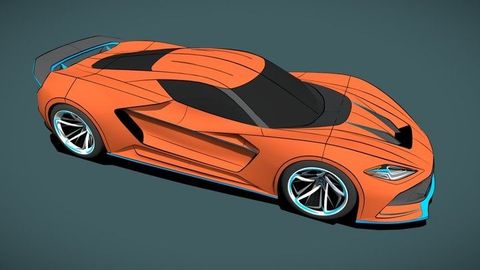
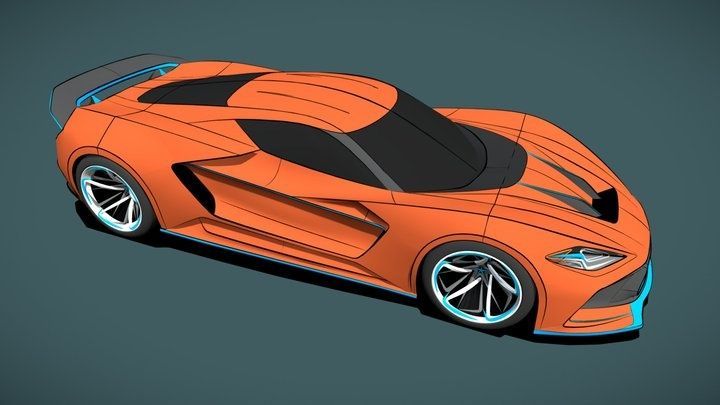
3D car design is the process of creating a digital three-dimensional model of a vehicle using computer-based design tools. Designers build every component virtually, allowing them to evaluate proportions, aerodynamics, body lines, and interior layouts before physical prototypes are considered.
Many online design platforms combine cloud technology, real-time visualization, and collaborative editing, making it easier for multiple users to work on the same project.
Why Online Design Platforms Are Important
Browser-based design tools simplify project access because models can be reviewed from different devices without relying on a single computer. They also support teamwork by allowing designers, engineers, and project managers to share updates more efficiently.
Industry reports indicate that cloud-based design environments continue gaining popularity as organizations seek more flexible and collaborative product development workflows.
Step-by-Step Guide to 3D Car Design
Creating a vehicle model follows a structured design process.
Step 1: Define the Vehicle Concept
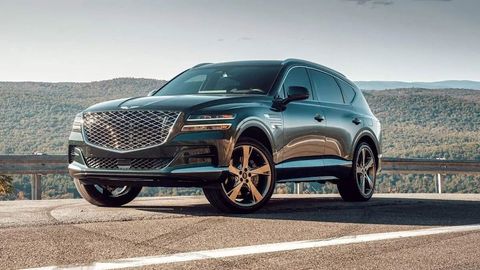
Decide whether the project is a sports car, electric vehicle, SUV, luxury sedan, commercial vehicle, or concept model. Establish the overall dimensions and intended purpose before beginning the design.
Step 2: Create the Basic Shape
Build the primary body structure using digital modeling tools. Focus on proportions, wheel placement, roof profile, and overall balance.
Step 3: Refine Exterior Details
Add important design elements such as headlights, windows, doors, mirrors, wheels, grilles, and aerodynamic features.
Step 4: Design the Interior
Develop the dashboard, steering wheel, seating layout, center console, instrument panel, and interior trim while maintaining ergonomic considerations.
Step 5: Apply Materials and Colors
Assign digital materials, paint finishes, glass effects, and textures to create a realistic appearance.
Step 6: Review and Improve
Evaluate the complete model from different viewing angles, make adjustments where necessary, and prepare the design for presentation or additional engineering work.
Key Features of Modern Design Platforms
Today's online design environments include many powerful capabilities.
Common features include:
- 3D modeling tools
- Cloud-based collaboration
- Real-time rendering
- Digital surface modeling
- Material libraries
- Lighting simulation
- Parametric design
- Design version management
- Interactive visualization
- Project sharing
These features improve productivity while making design revisions easier throughout the development process.
Applications Across Industries
3D vehicle modeling supports many professional sectors.
Automotive manufacturers use digital models during concept development and product planning.
Engineering teams evaluate body structures, component placement, and design feasibility before prototype production.
Educational institutions use online platforms to teach digital design principles, while industrial designers create concept vehicles for research, presentations, and innovation projects.
Marketing teams also use realistic vehicle visualizations to prepare promotional materials before production begins.
Benefits of 3D Car Design
Faster Concept Development
Digital modeling allows designers to explore multiple ideas without constructing physical prototypes.
Better Design Visualization
Three-dimensional models provide realistic views that help identify design improvements early in the project.
Improved Collaboration
Cloud-based platforms allow multiple contributors to review and refine designs from different locations.
Efficient Design Updates
Modifying digital models is generally faster than redesigning physical prototypes, making the development process more flexible.
Future Trends
Automotive design continues evolving through artificial intelligence, cloud computing, virtual reality, and digital twin technology. Real-time collaboration, advanced simulation, and AI-assisted modeling are helping designers improve creativity while accelerating product development.
As electric vehicles and intelligent transportation continue expanding, online automotive design platforms are expected to become even more sophisticated and widely used.
Frequently Asked Questions
What is 3D car design?
It is the process of creating detailed digital vehicle models using computer-based design tools and visualization technologies.
Who uses online car design platforms?
Automotive designers, engineers, students, manufacturers, educators, and design enthusiasts commonly use these platforms.
Why is cloud-based design becoming popular?
Cloud technology supports collaboration, remote project access, automatic updates, and easier sharing of digital models.
Can beginners learn 3D vehicle design?
Yes. Many online platforms provide user-friendly interfaces and learning resources that help beginners develop modeling skills gradually.
Which industries benefit from 3D car design?
Automotive manufacturing, engineering, education, industrial design, transportation research, and digital visualization all benefit from modern vehicle modeling technologies.
Conclusion
3D car design has transformed the way vehicles are planned, visualized, and refined. Modern online design platforms provide flexible tools that support concept development, collaboration, and realistic digital modeling for users with different levels of experience.
As cloud technology, artificial intelligence, and advanced visualization continue improving, digital automotive design will remain an important part of future vehicle innovation, helping designers create smarter, more efficient, and visually impressive transportation concepts.