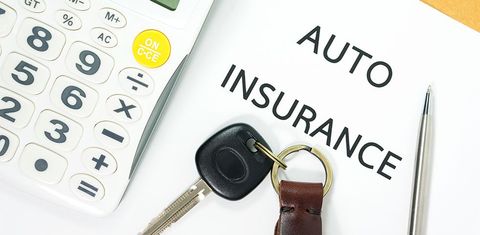
Auto Insurance: Complete Guide to Coverage and Policy Options
Auto Insurance plays an important role in responsible vehicle ownership by helping drivers manage financial risks associated with accidents, vehicle damage, and unexpected events.
Whether you drive daily for commuting, use your vehicle for family travel, or enjoy weekend road trips, understanding how auto insurance works can help you make informed decisions when comparing policy options.
Today's insurance market includes a wide range of coverage choices designed to meet different driving needs. From liability coverage and comprehensive protection to collision coverage and uninsured motorist protection, each policy offers different levels of financial support. This guide explains the fundamentals of auto insurance, common coverage types, important considerations, benefits, and emerging industry trends.
What Is Auto Insurance?
Auto Insurance is a legal and financial agreement between a vehicle owner and an insurance provider. Depending on the selected policy, it helps provide financial protection for covered situations involving vehicle damage, liability, theft, natural events, or injuries resulting from road accidents.
Coverage varies by policy, making it important to understand policy terms, deductibles, exclusions, and coverage limits before selecting an insurance plan.
Why Auto Insurance Is Important
Driving involves everyday risks, including traffic accidents, weather-related damage, and vehicle theft. Auto insurance helps reduce financial uncertainty by providing protection for covered incidents.
In many countries, maintaining at least a minimum level of liability coverage is required by law. Beyond meeting legal requirements, insurance also supports responsible financial planning by helping drivers prepare for unexpected situations.
Industry reports indicate that drivers increasingly compare policy features, digital claims management, and flexible coverage options when evaluating insurance plans.
Common Types of Auto Insurance Coverage
Different policies provide different forms of protection depending on individual requirements.
Liability Coverage
Liability coverage helps protect against financial responsibility for injuries or property damage caused to others in a covered accident.
Collision Coverage
Collision coverage applies to vehicle damage resulting from collisions with another vehicle or object, subject to policy terms.
Comprehensive Coverage
Comprehensive coverage generally protects against non-collision events such as theft, fire, vandalism, falling objects, or certain weather-related damage.
Personal Injury Protection
Some policies include personal injury protection, which may help cover medical expenses and related situations according to local regulations.
Uninsured and Underinsured Motorist Coverage
This coverage helps provide protection if an accident involves a driver who has insufficient insurance or no insurance at all.
Factors That Influence Auto Insurance
Several factors may affect policy selection and premium calculations.
Common considerations include:
- Vehicle type
- Driver experience
- Driving history
- Annual mileage
- Geographic location
- Coverage limits
- Deductible amount
- Vehicle safety features
- Repair complexity
- Policy options
Every insurance provider evaluates these factors using its own underwriting methods.
Benefits of Auto Insurance
Financial Protection
One of the greatest advantages of auto insurance is helping reduce financial exposure after covered accidents or vehicle damage.
Legal Compliance
Insurance helps drivers satisfy legal requirements in regions where minimum vehicle coverage is mandatory.
Peace of Mind
Knowing that financial protection is available for covered situations allows drivers to travel with greater confidence.
Flexible Coverage Options
Modern policies often allow drivers to select coverage levels that match their driving habits, vehicle value, and personal preferences.
Digital Policy Management
Many insurers now provide online account management, digital documentation, and mobile claim tracking, making policy administration more convenient.
Best Practices When Comparing Policies
Selecting an insurance policy involves more than comparing premiums.
- Review coverage limits carefully.
- Understand deductibles and exclusions.
- Compare available protection options.
- Evaluate claim procedures.
- Review policy renewal conditions.
- Keep policy information updated as circumstances change.
Taking time to compare these factors helps identify coverage that aligns with your individual needs.
Future Trends
The auto insurance industry continues evolving through digital innovation. Artificial intelligence is improving claims assessment, while telematics programs use driving data to support personalized policy options.
Connected vehicles, advanced driver assistance systems, and predictive analytics are also influencing how insurers evaluate risk and develop future coverage solutions. Digital claims processing and mobile applications continue making policy management faster and more convenient.
Frequently Asked Questions
What is Auto Insurance?
Auto Insurance provides financial protection for covered vehicle-related events such as accidents, theft, liability, and certain types of damage, depending on the policy.
What is the difference between collision and comprehensive coverage?
Collision coverage generally applies to accident-related vehicle damage, while comprehensive coverage addresses many non-collision events covered by the policy.
Why are deductibles important?
A deductible is the amount a policyholder pays before insurance coverage applies to a covered claim, according to policy terms.
Can policy coverage be customized?
Many insurance providers allow policyholders to choose different coverage levels and optional protections based on individual requirements.
How is technology changing auto insurance?
Artificial intelligence, telematics, connected vehicles, and digital claims platforms are helping improve policy management, claims processing, and customer experience.
Conclusion
Auto Insurance remains an essential part of responsible vehicle ownership by helping drivers prepare for unexpected situations while supporting financial protection and legal compliance. Understanding available coverage options, policy features, and important considerations allows vehicle owners to make informed decisions that match their driving needs.
As insurance technology continues to advance, digital tools, connected vehicles, and intelligent risk assessment are expected to make policy management more efficient while improving the overall customer experience.
Disclaimer
The information provided in this article is for informational purposes only. We do not make any claims or guarantees regarding the accuracy, reliability, or completeness of the information presented. The content is not intended as professional financial, investment, tax, or legal advice and should not be relied upon as such. Readers are encouraged to conduct their own research and consult with appropriate professionals (such as financial advisors, investment specialists, tax consultants, or attorneys) before making any financial decisions based on the information provided in this article. All investments and financial strategies carry risks, including potential loss of principal. Past performance is not indicative of future results. Your financial situation is unique, and what works for others may not be suitable for you.