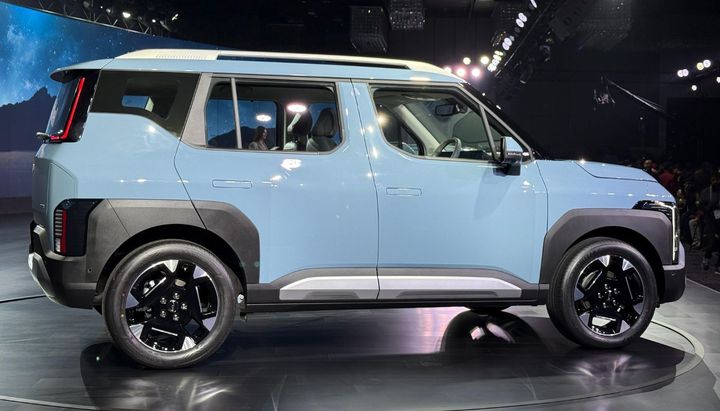
Upcoming Kia Syros EV: Complete Guide and Overview
The upcoming Kia Syros EV is expected to be an electric version of Kia’s compact Syros SUV for India. It will use an electric motor and rechargeable traction battery rather than a petrol or diesel engine.
The regular Syros already has a tall body, low-floor access, a spacious second row, sliding and reclining rear seats, connected features, and a panoramic display layout. These qualities make it a logical base for an urban electric SUV.
Kia formally named the Syros EV during its 2026 CEO Investor Day on April 9, 2026. The company placed it within a broader plan for higher-volume electric vehicles adapted to major markets.
However, Kia India had not published final India-specific specifications as of July 13, 2026. Battery capacity, certified range, motor output, charging time, variants, equipment distribution, and ex-showroom positioning remain subject to confirmation.
This Guide provides an Overview of confirmed Facts, expected Details, practical Tips, useful Resources, and a clear Explanation. It also helps readers Discover which claims are established and which remain preliminary.
Kia Syros EV Basics and Expected Positioning
The Syros EV is expected to sit below the Carens Clavis EV in Kia India’s electric portfolio. Its likely role is to combine a compact footprint with a spacious cabin, connected technology, and equipment commonly associated with larger vehicles.
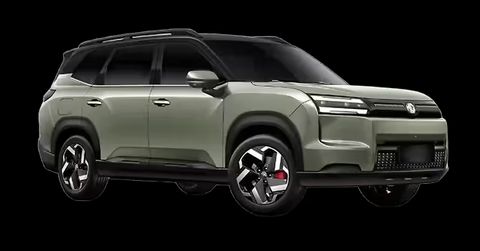
Recent undisguised images indicate that the electric model will remain close to the combustion-engine Syros. Reports describe an upright profile, familiar vertical lighting, revised bumpers, a slimmer closed front section, aerodynamic wheels, and a charging port near the front-left fender.
The cabin also appears to retain the wide-screen dashboard and three-spoke steering wheel, with EV-specific software expected in the displays.
| Topic | Current status | What is known |
|---|---|---|
| Model existence | Confirmed | Kia named the Syros EV in April 2026 |
| India reveal | Expected soon | A July 8 teaser was widely linked to the model |
| Exterior design | Strongly indicated | Undisguised images show a body related to the regular Syros |
| Battery and range | Not confirmed | Reports suggest two battery sizes |
| Variants | Not confirmed | Equipment distribution remains unknown |
| Safety rating | Not confirmed for EV | The existing Bharat NCAP result covers listed petrol variants |
The petrol Syros achieved 30.21 out of 32 points for adult protection and 44.42 out of 49 for child protection in Bharat NCAP testing published in 2025.
That result cannot automatically be transferred to the EV because battery placement, weight, structure, and tested variants may differ.
Why the Kia Syros EV Matters Today
Compact electric SUVs are becoming relevant for urban households that need easy entry, useful rear-seat room, connected technology, and manageable dimensions.
The Syros body format could address these needs while adding silent low-speed operation and zero tailpipe emissions.
The model may affect:
- Urban families seeking a compact five-seat electric SUV
- Daily commuters with home or workplace charging
- Apartment residents evaluating shared charging infrastructure
- Drivers comparing battery warranty, EV financing, and electric vehicle insurance
- Users seeking advanced safety assistance and connected car technology
The main gap it may address lies between small entry-level EVs and larger electric SUVs. Its importance will still depend on dependable charging, transparent battery warranty terms, realistic range, and suitable insurance coverage.
Expected Battery, Range, Charging and Features
Kia has not announced the final battery specifications. Media reports suggest possible 42 kWh and 49 kWh battery options related to the globally available Hyundai Inster system.
The Inster is reported with a claimed range of up to 369 km internationally, but this is not a confirmed Indian Syros EV figure.
Real-world range varies with speed, temperature, air-conditioning use, traffic, passenger load, tyre pressure, elevation, and driving style.
An official certified figure helps comparison, but trip planning should retain a safety margin.
Expected equipment, based on recent images and the regular Syros, may include:
- Large infotainment and digital instrument displays
- Wireless Android Auto and Apple CarPlay
- Automatic climate control
- Wireless phone charging
- Panoramic sunroof
- Ventilated seats
- Connected vehicle functions and over-the-air updates
- Six airbags, tyre-pressure monitoring, and a 360-degree camera
- Advanced Driver Assistance Systems on selected variants
The regular Syros already includes a 12.3-inch touchscreen on higher trims, a 12.3-inch instrument display, rear sliding and reclining seats, Kia Connect 2.0, remote diagnostics, and over-the-air updates.
This provides useful Knowledge about the platform, though the EV list may differ.
Recent Updates and News Timeline
| Date | Development | Significance |
| August 2025 onward | Camouflaged test vehicles appeared in India | Suggested active local validation |
| April 9, 2026 | Kia named the Syros EV | Confirmed the model |
| July 8, 2026 | Kia India teased an upcoming compact electric SUV | Indicated a near-term announcement |
| July 11–13, 2026 | Undisguised production-style vehicles appeared | Revealed exterior and cabin details |
The July 8 teaser used the message “You’re closer than you think” and showed the silhouette of an upcoming electric SUV widely identified as the Syros EV.
Reports published on July 13 then described an undisguised vehicle that appeared ready for production.
These developments support the view that the reveal is near, but they do not establish a final launch date. Kia India’s newsroom and official model page should remain the main references.
Range, Battery Warranty and Charging Access
Range should be evaluated against routine travel rather than the largest published number. Someone covering 35 to 50 km daily has a different requirement from a frequent intercity driver.
Practical Advice includes checking:
- Daily and weekly distance
- Dedicated parking availability
- Electrical load capacity at home
- Public EV charging reliability
- DC charging compatibility and maximum charging rate
- Battery warranty duration and kilometre limit
- Insurance terms for battery damage and charging equipment
- Roadside assistance conditions
- Software access after any introductory period
Home charging generally provides the most predictable routine. Apartment residents may need housing-association approval, a dedicated meter, safe cable routing, and installation by an authorised electrical professional.
Public charging is best treated as supplementary unless dependable stations exist along regular routes.
The Ministry of Power’s guidelines envisage urban charging grids and highway coverage, while national databases are intended to improve charger visibility.
EV Laws, Policies and Government Programs in India
The Syros EV will be governed by Indian homologation, battery safety, registration, taxation, and charging standards.
Electric vehicles in India attract 5% GST. The GST rate for EV chargers and charging stations was also reduced to 5%, effective August 1, 2019.
Road tax and registration benefits vary by state or Union Territory. Some regions provide exemptions or reduced charges, while eligibility limits and validity periods can change.
e-AMRIT explains common measures such as road tax exemption, registration fee exemption, direct incentives, and interest-related support, but local transport department rules remain decisive.
PM E-DRIVE supports selected categories such as electric two-wheelers, commercial three-wheelers, buses, ambulances, trucks, and charging infrastructure.
Its official portal does not list privately registered electric passenger cars under direct demand-incentive categories. The Syros EV should therefore not be described as automatically eligible for a central PM E-DRIVE incentive.
India also has manufacturing-focused programs. PLI-Auto supports advanced automotive technology and domestic supply chains, while the Scheme to Promote Manufacturing of Electric Passenger Cars in India is intended to attract investment and strengthen local production.
These measures influence the industrial ecosystem rather than guaranteeing a direct benefit for every private registration.
Tools and Resources for Better EV Decisions
The following Tools can Help readers verify Information and improve planning:
- Kia India website: Official model page, brochure, warranty terms, and announcements
- e-AMRIT charging map: Public EV charging locations and mobility Information
- e-AMRIT vehicle selector: Battery size, charger rating, and model comparison
- e-AMRIT tax savings calculator: Indicative tax differences between conventional vehicles and EVs
- State transport portal: Road tax, registration fee, and policy eligibility
- Electricity distribution company portal: Sanctioned load, tariff, meter, and installation requirements
- Charging-network applications: Connector type, station status, access hours, and payment method
- Vehicle insurance comparison tools: Battery protection, depreciation clauses, and roadside assistance
- EV range calculator: Daily distance, battery capacity, efficiency, charging losses, and reserve margin
Useful Suggestions include saving two charging alternatives for every highway stop and checking recent station activity before departure.
Frequently Asked Questions
Is the Kia Syros EV officially confirmed?
Yes. Kia named the Syros EV on April 9, 2026. India-specific specifications and the final schedule were still pending on July 13, 2026.
What will be the Kia Syros EV range?
No official Indian figure is available. Reports suggest two battery options, but certified and real-world range require Kia’s final specifications.
Will the Kia Syros EV have ADAS?
ADAS is expected on selected variants because the regular Syros includes Level 2 technology on higher trims. The exact functions and variant distribution remain unconfirmed.
Does the petrol Syros safety rating apply to the EV?
Not automatically. The Bharat NCAP result covers specified petrol variants. A separate applicability statement or EV test result is needed.
Will PM E-DRIVE apply to the Kia Syros EV?
The current official categories do not list private electric passenger cars for direct demand incentives. State-level road tax or registration benefits may still apply.
Conclusion
The upcoming Kia Syros EV is a confirmed electric model with strong potential in India’s compact SUV segment.
Its tall body, rear-seat flexibility, connected technology, expected safety equipment, and likely two-battery strategy could make it relevant for families and commuters.
The central Insights are that several technical claims remain preliminary. Battery capacity, certified range, charging speed, motor output, variants, battery warranty, safety applicability, and ex-showroom figures require official confirmation.
Readers should Learn from verified sources, compare charging access, review electric vehicle insurance conditions, study local road tax rules, and calculate routine range needs.
This method combines Facts, policy Details, ownership needs, and long-term battery Knowledge rather than relying on early images or unsupported claims.