Battery Recycling Machinery: Complete Guide to Modern Battery Recovery Systems
Battery recycling machinery plays an important role in recovering valuable materials from used batteries while reducing environmental impact.
As electric vehicles, renewable energy storage, consumer electronics, and industrial power systems continue to expand, the number of batteries reaching the end of their life is also increasing. Efficient recycling equipment helps recover valuable resources and supports a circular economy.
Modern battery recycling machinery uses advanced mechanical, electrical, and automated technologies to safely process lithium-ion batteries, lead-acid batteries, nickel-metal hydride batteries, and other battery types. These systems separate valuable materials such as lithium, cobalt, nickel, copper, aluminum, and graphite for further processing.
This guide explains battery recycling machinery, its working principles, major equipment types, industrial applications, benefits, and future developments in simple language.
Understanding the Concept
Battery recycling machinery consists of specialized industrial equipment designed to collect, discharge, dismantle, crush, separate, and recover materials from spent batteries.
Rather than sending batteries to landfills, recycling facilities use automated processing lines to extract reusable raw materials. These recovered materials can then support battery manufacturing and other industrial applications.
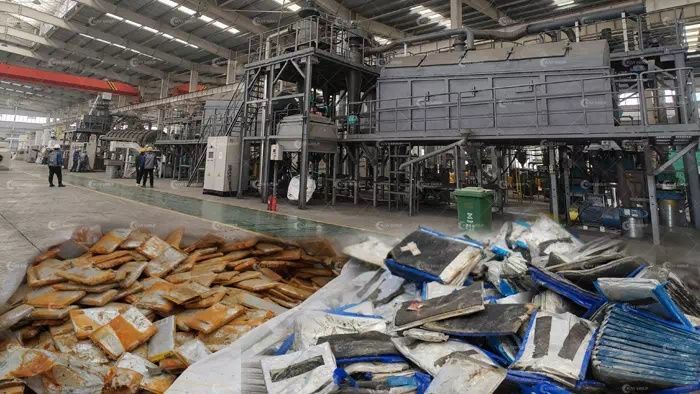
A modern battery recycling plant typically combines several machines into one integrated production line. Each machine performs a specific stage of the recycling process while maintaining worker safety and material recovery efficiency.
Common high-value keywords naturally associated with this industry include:
- Battery recycling machinery
- Lithium battery recycling equipment
- Industrial recycling systems
- Battery shredding machine
- Material separation equipment
- Industrial automation
- Waste management equipment
- Metal recovery technology
- Environmental recycling solutions
- Industrial processing equipment
Key Types or Categories
Battery recycling machinery includes several specialized equipment categories.
Battery Discharge Equipment
Before processing begins, batteries are safely discharged to remove stored electrical energy.
This step reduces fire risks during dismantling and shredding.
Battery Dismantling Machines
These machines separate battery packs into individual components.
Depending on battery design, dismantling may involve:
- Removing covers
- Separating modules
- Disconnecting wiring
- Extracting battery cells
Automated dismantling improves consistency and workplace safety.
Battery Shredding Machines
Shredders reduce batteries into smaller pieces for easier material separation.
Industrial shredders are designed to process different battery sizes while controlling dust and heat generation.
Material Separation Systems
After shredding, separation equipment sorts different materials.
Common separation technologies include:
- Magnetic separation
- Air separation
- Gravity separation
- Vibrating screens
- Eddy current separators
These systems recover valuable metals and non-metallic materials.
Dust Collection Systems
Battery processing generates fine particles.
Dust collection equipment captures airborne materials to improve workplace safety and maintain cleaner operating conditions.
Material Sorting Equipment
Recovered materials are sorted into individual categories such as:
- Copper
- Aluminum
- Steel
- Lithium compounds
- Graphite
- Plastic components
Accurate sorting improves downstream processing efficiency.
Important Subsections
Lithium-Ion Battery Recycling
Lithium-ion batteries are widely used in:
- Electric vehicles
- Consumer electronics
- Energy storage systems
- Industrial equipment
Recycling machinery safely processes these batteries while recovering valuable metals.
Lead-Acid Battery Recycling
Lead-acid batteries remain common in automotive and industrial applications.
Specialized recycling machinery separates:
- Lead
- Plastic casings
- Electrolyte materials
Recovered lead can be refined for future industrial use.
Industrial Automation
Modern recycling plants increasingly use industrial automation for:
- Conveyor control
- Material handling
- Robotic sorting
- Process monitoring
- Equipment coordination
Automation improves productivity and operational consistency.
Safety Systems
Battery recycling equipment includes multiple safety features, such as:
- Fire detection
- Temperature monitoring
- Emergency stop controls
- Gas monitoring
- Dust suppression systems
These features help reduce operational risks.
How It Works
Battery recycling machinery follows a structured processing sequence.
Step 1: Collection
Used batteries are collected from:
- Electric vehicles
- Consumer electronics
- Industrial facilities
- Renewable energy systems
Batteries are inspected before processing.
Step 2: Safe Discharge
Residual electrical energy is removed to reduce processing risks.
This step prepares batteries for mechanical processing.
Step 3: Dismantling
Battery packs are separated into individual components.
Depending on the design, automated equipment removes covers, modules, wiring, and battery cells.
Step 4: Shredding
Industrial shredders reduce batteries into smaller particles.
This prepares the material for efficient separation.
Step 5: Material Separation
Different technologies separate valuable materials.
| Material | Separation Method |
|---|---|
| Steel | Magnetic Separation |
| Aluminum | Eddy Current Separation |
| Copper | Density Separation |
| Graphite | Fine Material Processing |
| Plastic | Air Classification |
Step 6: Material Recovery
Recovered materials are prepared for further industrial processing.
High-purity recovered materials support future battery manufacturing and other industrial applications.
Benefits and Advantages
Battery recycling machinery provides numerous industrial and environmental benefits.
Resource Recovery
Valuable materials such as lithium, cobalt, nickel, copper, and aluminum can be recovered for future manufacturing.
Environmental Protection
Proper recycling reduces landfill waste and helps minimize environmental contamination.
Industrial Efficiency
Automated recycling lines process large battery volumes with consistent performance.
Improved Workplace Safety
Modern machinery incorporates safety monitoring, dust control, and automated handling to improve worker protection.
Circular Economy Support
Recovered materials remain within industrial supply chains instead of becoming waste.
Advanced Material Recovery
Modern separation technologies improve recovery rates for valuable battery materials.
Real-World Examples or Applications
Battery recycling machinery supports many industries.
Electric Vehicle Industry
As electric vehicle adoption grows, recycling facilities process increasing numbers of lithium-ion battery packs.
Consumer Electronics
Smartphones, laptops, tablets, and portable devices contribute significant battery volumes for recycling.
Renewable Energy
Solar and wind energy storage systems eventually require battery replacement and recycling.
Manufacturing Facilities
Industrial operations recycle backup power systems, forklift batteries, and production equipment batteries.
Research and Development
Universities and research organizations study advanced recycling technologies to improve material recovery and processing efficiency.
Important Factors to Understand
Several considerations influence battery recycling operations.
Battery Identification
Different battery chemistries require different processing methods.
Proper identification improves safety and recovery efficiency.
Fire Prevention
Damaged lithium batteries may present thermal risks.
Processing facilities use specialized monitoring systems and fire protection equipment.
Material Purity
Higher-quality separation equipment produces cleaner recovered materials suitable for additional industrial processing.
Equipment Capacity
Facilities select machinery based on expected processing volume and battery types.
Environmental Compliance
Battery recycling facilities follow environmental guidelines for emissions, waste handling, and material management.
Future Trends and Industry Insights
Battery recycling technology continues advancing alongside global electrification.
Artificial Intelligence
AI systems increasingly optimize sorting, material identification, and production monitoring.
Robotic Automation
Robotic systems improve battery dismantling accuracy while reducing manual handling.
Smart Monitoring
Industrial sensors continuously monitor:
- Temperature
- Dust levels
- Equipment performance
- Material flow
- Energy consumption
Higher Recovery Efficiency
New separation technologies continue improving recovery rates for lithium, cobalt, graphite, and rare metals.
Expanding Recycling Infrastructure
As electric vehicles and renewable energy continue growing worldwide, investment in battery recycling facilities and advanced processing equipment is expected to increase significantly.
Conclusion
Battery recycling machinery has become an essential part of modern resource recovery and sustainable manufacturing. Through automated discharge systems, dismantling equipment, shredders, material separation technologies, and industrial automation, these machines recover valuable materials while reducing environmental impact.
As battery production continues expanding across electric vehicles, renewable energy, and consumer electronics, advanced recycling machinery will play an increasingly important role in supporting efficient material recovery and responsible industrial practices. Continuous improvements in automation, artificial intelligence, robotics, and material separation technologies will further strengthen the future of battery recycling.