
Discover How ERP Software Connects Finance Inventory Sales and Operations
Modern businesses generate large amounts of data across finance, inventory, sales, purchasing, manufacturing, and customer service. Managing these functions through separate systems can create data silos, reduce efficiency, and make decision-making more challenging.
ERP Software (Enterprise Resource Planning Software) addresses these challenges by integrating core business processes into a centralized platform that supports collaboration, automation, and real-time information sharing.
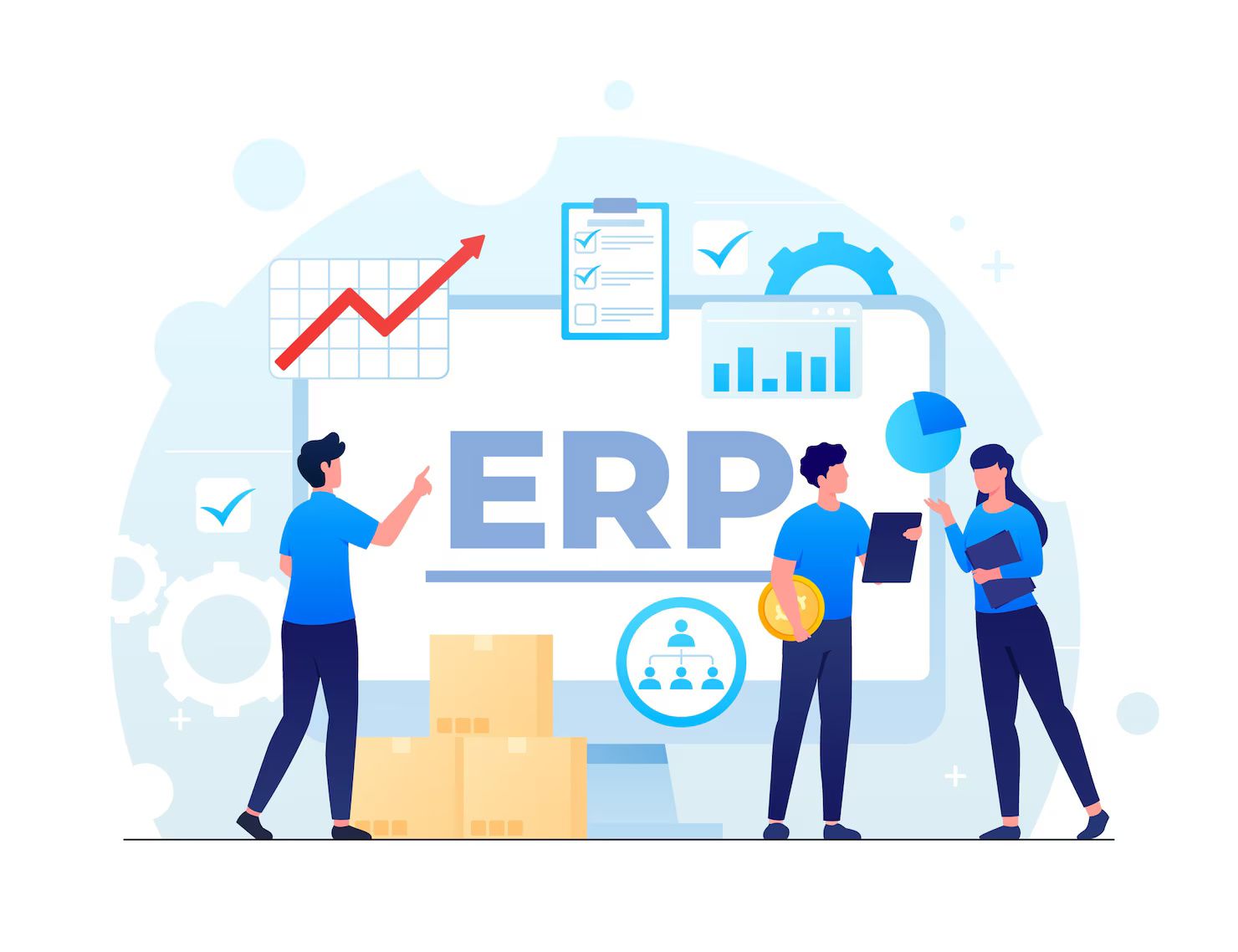 Organizations of all sizes use ERP software to streamline operations, improve productivity, and gain better visibility into business performance. Advances in cloud computing, artificial intelligence (AI), automation, and business analytics have made ERP systems more accessible and scalable than ever before.
This guide explains ERP software, its key modules, business benefits, implementation considerations, and the latest trends shaping enterprise resource planning.
Note: ERP features, deployment options, pricing, integrations, customization capabilities, and implementation timelines vary by software provider and organizational requirements. This article is intended for general educational purposes only.
What Is ERP Software?
ERP Software is an integrated business management system that connects multiple departments and business functions through a shared database. Instead of using separate applications for finance, inventory, sales, purchasing, and human resources, organizations can manage operations within one unified platform.
Common ERP modules include:
Finance and accounting
Inventory management
Sales management
Purchasing and procurement
Manufacturing
Human resources
Supply chain management
Customer relationship management (CRM)
Businesses can often select the modules that best fit their operational needs.
Why ERP Software Matters
A centralized system helps organizations improve visibility and operational efficiency.
Potential benefits include:
Improved data accuracy
Centralized information
Better collaboration between departments
Faster reporting
Process automation
Improved inventory visibility
Better financial management
More informed business decisions
The overall benefits depend on implementation quality and organizational processes.
Core ERP Modules
Most ERP platforms include several essential business functions.
Finance and Accounting
Supports general ledger management, accounts payable, accounts receivable, budgeting, financial reporting, and compliance.
Inventory Management
Tracks stock levels, warehouse locations, inventory movement, and purchasing activities.
Sales Management
Helps manage quotations, orders, invoicing, customer information, and sales reporting.
Procurement
Supports supplier management, purchase orders, approvals, and procurement workflows.
Manufacturing
Assists with production planning, scheduling, quality control, and resource management.
Human Resources
Manages employee records, payroll, attendance, recruitment, and performance management.
How ERP Software Connects Business Operations
One of the greatest strengths of ERP software is its ability to share information across departments.
For example:
A sales order automatically updates inventory levels.
Inventory changes trigger procurement requests when stock reaches predefined thresholds.
Financial records are updated after transactions are completed.
Production planning reflects current inventory availability.
Management dashboards display real-time operational data.
This integration reduces manual data entry and improves consistency across business functions.
Cloud vs. On-Premises ERP
Organizations can choose different deployment models.
Cloud ERP
Cloud-based ERP systems are hosted by the software provider and accessed through the internet.
Advantages may include:
Automatic updates
Remote accessibility
Scalable infrastructure
Reduced hardware requirements
On-Premises ERP
Installed on an organization's own servers and managed internally.
Potential benefits include:
Greater control over infrastructure
Internal data management
Custom deployment options
The appropriate deployment model depends on business needs, budget, and IT resources.
ERP Software Overview
| ERP Module | Primary Function |
|---|---|
| Finance | Accounting and financial reporting |
| Inventory | Stock tracking and warehouse management |
| Sales | Order processing and customer management |
| Procurement | Purchasing and supplier management |
| Manufacturing | Production planning and operations |
| Human Resources | Employee and payroll management |
Best Practices for ERP Implementation
A successful ERP project requires careful planning.
Helpful recommendations include:
Define clear business objectives.
Involve key stakeholders early.
Clean and organize existing data.
Train employees thoroughly.
Test workflows before deployment.
Plan for phased implementation when appropriate.
Monitor performance after launch.
Review system processes regularly for improvement.
Good planning supports smoother implementation and user adoption.
Current Industry Trends
ERP technology continues to evolve rapidly.
Recent developments include:
Artificial intelligence-assisted analytics
Cloud-native ERP platforms
Predictive business intelligence
Robotic process automation (RPA)
Internet of Things (IoT) integration
Mobile ERP applications
Low-code customization tools
Advanced cybersecurity features
These innovations help organizations improve operational efficiency and make faster, data-driven decisions.
Looking Ahead
The future of ERP Software is expected to include greater use of AI-powered automation, predictive analytics, real-time decision support, and deeper integration with connected business technologies. As organizations continue their digital transformation, ERP systems are likely to become even more intelligent, flexible, and accessible across industries.
Why Understanding ERP Software Matters
Understanding ERP Software helps businesses evaluate integrated management solutions that connect finance, inventory, sales, procurement, and operations. A well-planned ERP implementation can improve efficiency, enhance collaboration, and provide better visibility into organizational performance.
Conclusion
ERP Software serves as the digital foundation for modern business operations by connecting finance, inventory, sales, manufacturing, procurement, and human resources within a single platform. Through centralized data, automation, and real-time reporting, ERP systems help organizations streamline workflows and support informed decision-making. As technology continues to evolve, ERP solutions will remain an essential tool for businesses seeking greater operational efficiency and long-term growth.