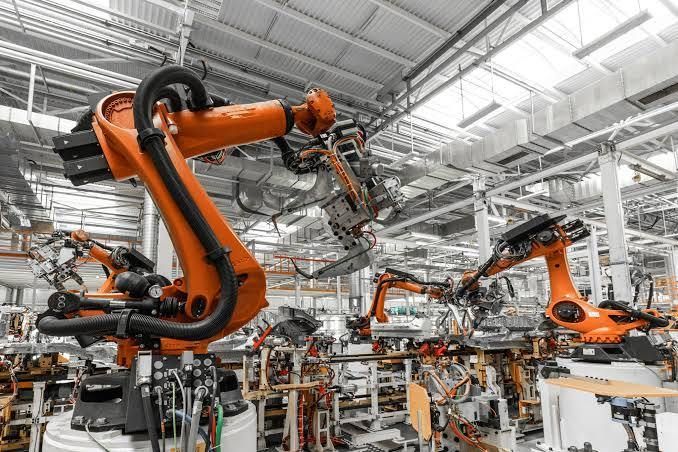
Window and Door Processing Machines: Complete Guide to Manufacturing Technology
Window and door processing machines are industrial systems used to manufacture frames, panels, sashes, and other components for residential, commercial, and industrial buildings. These machines help transform materials such as aluminum, uPVC (unplasticized polyvinyl chloride), steel, and wood into accurately shaped products.
Modern window and door manufacturing combines mechanical equipment, computer-controlled systems, and quality inspection methods. These technologies help manufacturers cut materials to precise dimensions, create joints, prepare surfaces, assemble components, and check finished products.
In traditional workshops, many production steps depended on manual measurement, hand tools, and individual operator skills. These methods remain useful for custom projects and small production runs. However, larger manufacturing facilities often use automated equipment to improve consistency and manage complex production schedules.
The main purpose of processing machinery is to turn raw materials into accurately shaped components that fit together properly. For example, an aluminum window frame may require profile cutting, drainage-hole drilling, corner preparation, and assembly. A wooden door may require panel shaping, edge profiling, hinge preparation, and surface finishing.
The machinery selected depends on the material, product design, required dimensions, production volume, and applicable building standards.
Main Types of Window and Door Processing Machines
Different machines perform specific tasks throughout the manufacturing process.
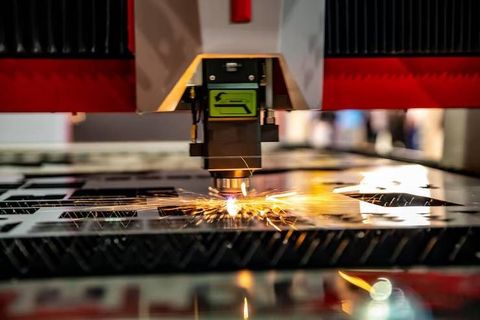
Profile cutting machines: Cut aluminum, PVC, steel, or wooden profiles to specified lengths and angles.
CNC machining centers: Use computer-controlled instructions to perform operations such as milling, drilling, and slotting.
Milling machines: Create grooves, channels, and shaped sections in frame components.
Drilling machines: Produce holes for fasteners, hinges, handles, drainage, and other fittings.
Corner cleaning machines: Remove excess material from welded PVC frame corners to create a cleaner finish.
Welding machines: Join compatible thermoplastic frame sections through controlled heating and pressure.
End milling machines: Prepare profile ends so that connecting components can fit together accurately.
Glass processing equipment: Cuts, edges, drills, or otherwise prepares glass when these operations are part of the manufacturing facility.
Assembly equipment: Helps workers fit frame sections, hardware, seals, panels, and other components.
Inspection equipment: Checks dimensions, surface quality, alignment, and selected functional characteristics.
Not every facility requires every machine. A workshop producing wooden doors will have different equipment from a factory manufacturing aluminum windows or PVC frames.
Importance of Window and Door Processing Machines
Why Manufacturing Automation Matters
Windows and doors affect building safety, energy efficiency, ventilation, comfort, and appearance. Their performance depends partly on accurate manufacturing and the quality of their components.
Processing machinery supports these requirements in several ways.
Improved dimensional accuracy: Computer-controlled cutting and machining help produce components according to specified measurements. Accurate dimensions are important for frame alignment, glazing, sealing, and installation.
Consistent production quality: Repeatable machine settings reduce variation between components. This is especially useful when manufacturing multiple units with similar designs.
Better material utilization: Cutting plans and optimization software can arrange components to reduce unnecessary offcuts. The actual results depend on material dimensions, profile geometry, and production planning.
More organized workflows: Machines designed for specific tasks can help reduce unnecessary handling between cutting, machining, and assembly operations.
Support for complex designs: CNC systems can process different hole patterns, grooves, and profiles using programmed instructions. This allows manufacturers to manage a wider range of product designs.
Industries and Professionals That Use These Machines
Window and door processing equipment supports several related industries.
Construction and building materials manufacturing
Residential and commercial window production
Architectural aluminum fabrication
Wooden door and frame manufacturing
PVC window and door production
Glass processing and glazing
Industrial facility construction
Building renovation and replacement projects
Manufacturing engineers, production supervisors, machine operators, quality inspectors, maintenance technicians, and building designers may all interact with these systems.
Material Selection and Processing Requirements
Different materials require different manufacturing approaches.
Material | Common processing methods | Important considerations |
|---|---|---|
Aluminum | Cutting, milling, drilling, joining | Profile accuracy, thermal movement, surface finish |
PVC | Cutting, welding, corner cleaning | Temperature control, joint strength, dimensional stability |
Wood | Sawing, routing, drilling, sanding | Moisture content, grain direction, surface quality |
Steel | Cutting, drilling, punching, welding | Structural strength, corrosion protection, heat effects |
Glass | Cutting, edging, drilling, inspection | Thickness, edge quality, breakage prevention |
Material-specific machine settings are essential. For example, excessive heat can affect PVC welding quality, while unsuitable cutting tools can damage wooden surfaces or produce poor edges in metal profiles.
Recent Updates and Manufacturing Trends
Digital Production and Smart Machinery
During 2025 and 2026, several established manufacturing trends have continued to influence window and door processing. These include digital production planning, connected machinery, automation, and more systematic quality monitoring. Adoption varies by manufacturer, region, and investment priorities.
Computer numerical control (CNC): CNC technology allows operators to program machining sequences and repeat them across production batches. Some systems support several operations on one workpiece, reducing the need to move it between separate machines.
Integrated production systems: Manufacturers increasingly consider how cutting, machining, assembly, and inspection equipment work together. Connected workflows can improve production visibility and make scheduling easier.
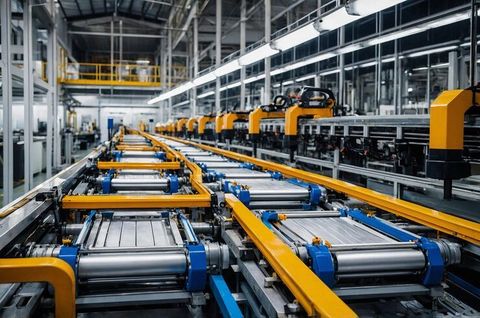
Automated material handling: Roller conveyors, lifting equipment, and profile-feeding systems can reduce repeated manual handling. Their suitability depends on the size and weight of components, available floor space, and workplace safety requirements.
Digital measurement and inspection: Electronic measuring tools, sensors, and machine vision can help identify dimensional deviations and surface defects. Inspection still requires suitable procedures and correctly configured equipment.
Energy and material efficiency: Production planning software can help optimize profile cutting, while preventive maintenance can reduce unnecessary downtime and waste. The environmental benefits depend on actual operating conditions and how the equipment is used.
How a Modern Production Workflow Operates
A typical manufacturing process follows a series of connected stages.
Design and production planning
Dimensions, drawings, material selection, and cutting lists
Profile cutting and machining
Cutting, drilling, milling, and groove preparation
Joining and assembly
Welding or mechanical joining, hardware, seals, and panels
Inspection and documentation
Dimensional checks, functional tests, and quality records
Some production lines combine several stages, while smaller workshops may complete them separately. Glass preparation, coating, and finishing may also take place in separate departments or facilities.
Laws, Policies, and Manufacturing Safety
Machinery Safety Requirements
Window and door processing machinery must be operated with attention to workplace safety, equipment guarding, electrical protection, and operator training. The exact legal requirements depend on the country where the equipment is installed and used.
Common safety measures include:
Guarding saw blades, milling cutters, and other moving parts.
Providing emergency-stop controls where required.
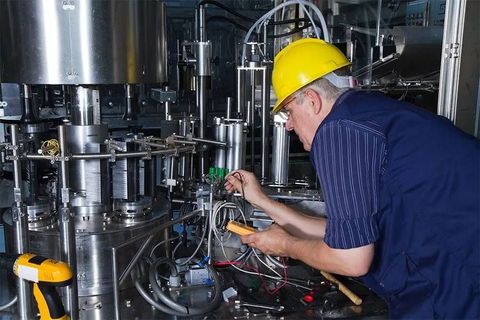
Using appropriate electrical protection and lockout procedures during maintenance.
Training operators in safe machine setup and material handling.
Controlling dust, noise, and flying particles.
Providing suitable eye, hearing, respiratory, and hand protection according to the task and risk assessment.
Inspecting equipment and maintaining safety devices.
Manufacturers should consult applicable national machinery regulations, workplace safety rules, and relevant technical standards rather than assuming that one international rule covers every situation.
Building Codes and Product Performance
Finished windows and doors may need to meet requirements for structural performance, weather resistance, fire safety, accessibility, and energy efficiency. The applicable standards depend on the building type, product design, and installation location.
In India, manufacturers and construction professionals should check applicable Bureau of Indian Standards requirements, relevant National Building Code provisions, and local building regulations. Requirements can differ by product category and project.
In other markets, relevant rules may address thermal performance, air leakage, water penetration, wind resistance, glazing safety, and emergency exits.
A machine's accuracy alone does not establish that a finished window or door complies with every building requirement. Product design, materials, hardware, assembly, testing, and installation also matter.
Tools and Resources for Manufacturing Planning
Digital Tools Used in Window and Door Production
Selecting and operating processing machines involves more than choosing cutting or machining equipment. Manufacturers also need accurate drawings, production schedules, inspection methods, and maintenance records.
The following general tools can support these activities.
Computer-aided design (CAD) software: Creates technical drawings, frame layouts, component dimensions, and manufacturing plans.
Computer-aided manufacturing (CAM) software: Converts suitable design information into machine instructions for compatible CNC equipment.
Cutting optimization software: Arranges profile lengths and cutting sequences to help reduce material waste.
Production planning templates: Organize work orders, material requirements, machine assignments, and delivery schedules.
Digital measuring instruments: Calipers, gauges, laser measuring devices, and other suitable instruments help verify dimensions.
Maintenance checklists: Track inspections, lubrication, tool condition, cleaning, and scheduled maintenance activities.
Quality inspection records: Document measurements, defects, corrective actions, and final product checks.
Energy monitoring tools: Help facilities understand electricity consumption and identify equipment with unusually high energy use.
These tools are most effective when they match the facility's production methods and the capabilities of its machinery.
How to Evaluate Processing Equipment
Before introducing new machinery, manufacturers should review several practical factors.
Evaluation factor | Questions to consider |
|---|---|
Material compatibility | Can the machine process the intended material and profile dimensions? |
Production capacity | Does its operating rate match expected production requirements? |
Accuracy | Can it maintain the required tolerances? |
Operator safety | Are suitable guards, controls, and protective measures available? |
Maintenance | Are inspection procedures, spare parts, and technical documentation accessible? |
Integration | Can the machine work with existing software and production equipment? |
Quality verification | Can the finished components be inspected against relevant specifications? |
A structured evaluation helps manufacturers compare technical capabilities without relying solely on advertised performance figures. Actual productivity depends on setup time, operator experience, material handling, maintenance, and the complexity of each product.
Frequently Asked Questions
What are window and door processing machines?
Window and door processing machines are industrial tools and automated systems used to cut, shape, drill, join, and assemble components for windows and doors. They support production using materials such as aluminum, PVC, wood, and steel.
Which machines are commonly used to manufacture aluminum windows?
Common equipment includes profile cutting saws, CNC machining centers, drilling and milling machines, end milling equipment, and assembly tools. The exact combination depends on the frame design, connection method, hardware, and production volume.
How does CNC technology improve window and door manufacturing?
CNC technology uses programmed instructions to control machining operations. It can improve repeatability, support complex component designs, and reduce some manual measurement tasks. Results depend on machine calibration, programming accuracy, tooling, and operator practices.
What safety precautions are important when operating processing machinery?
Important precautions include using appropriate machine guards, following operating instructions, wearing task-specific protective equipment, controlling dust and noise, and keeping safety systems functional. Maintenance should follow approved isolation procedures, and operators should receive suitable training.
How can manufacturers reduce material waste during production?
Manufacturers can use optimized cutting plans, accurate measurements, suitable tooling, routine calibration, and careful material storage. Monitoring defective components and recording material usage can also help identify recurring sources of waste.
Conclusion
Window and door processing machines are an important part of modern building-product manufacturing. From profile cutting and CNC machining to welding, assembly, and inspection, each stage contributes to the accuracy and quality of the finished product.