Laser Cladding Systems: Precision Engineering and Surface Protection
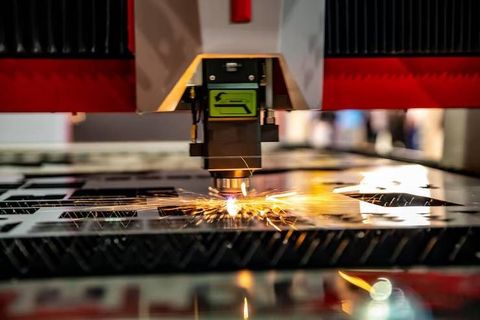
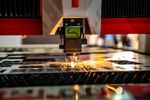
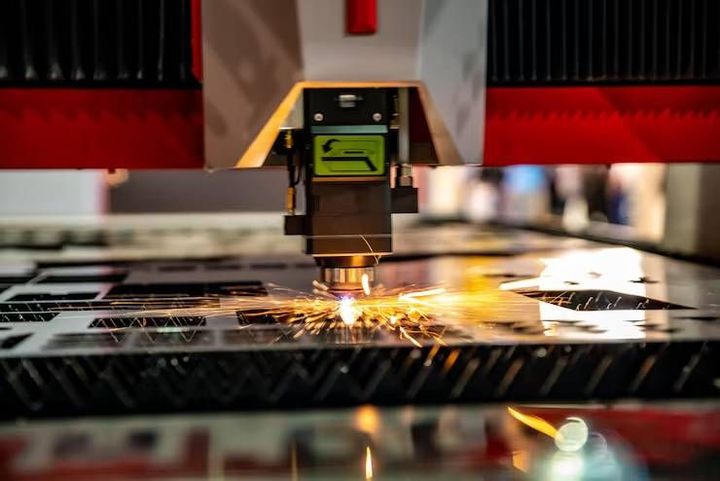
Laser cladding is a surface engineering process that uses a concentrated laser beam to melt a small area of a component while introducing additional material. The added material, commonly supplied as metal powder or wire, melts and forms a metallurgically bonded layer on the surface.
Unlike conventional surface coating methods, laser cladding creates a strong bond between the deposited material and the underlying metal. The process can produce a controlled layer with limited dilution, meaning that relatively little base material mixes with the added material when suitable parameters are selected.
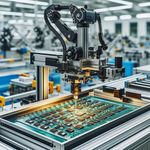
Laser cladding systems combine several important components, including:
A high-energy laser source.
A material feeding mechanism.
An optical head that directs the laser beam.
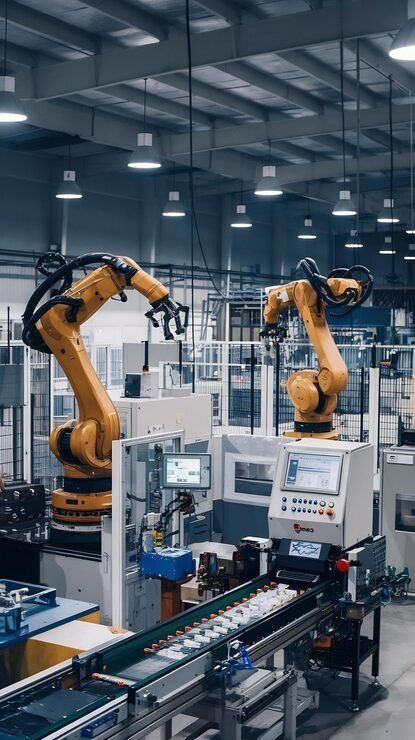
A motion control system or industrial robot.
Sensors and monitoring equipment.
A protective gas supply and suitable safety enclosure.
The equipment coordinates these components to deposit material accurately across a selected surface. Depending on the application, the process may be performed on flat surfaces, curved components, shafts, valves, turbine parts, or other engineered shapes.
How the Laser Cladding Process Works
The process begins with preparing the component. Dirt, oil, corrosion, and other surface contaminants are removed to support consistent bonding.
Next, the component is positioned under the laser head. A controlled stream of metal powder or wire is introduced into the laser-generated melt pool. The material melts and solidifies as the laser moves along the planned path.
The main stages include:
Surface preparation: Cleaning and inspecting the component before deposition.
Material selection: Choosing a suitable alloy for the required surface properties.
Laser deposition: Applying material while controlling heat input and movement.
Cooling and solidification: Allowing the deposited layer to form a stable structure.
Finishing and inspection: Machining, measuring, and testing the treated surface when necessary.
The final result depends on the laser power, travel speed, material feed rate, shielding gas, and the properties of the original component. These variables must be adjusted to suit the material and application.
Why Laser Cladding Matters in Modern Manufacturing
Industrial components often operate under friction, pressure, heat, chemical exposure, or repeated mechanical loading. Over time, these conditions can damage important surfaces and affect equipment reliability.
Laser cladding provides a way to improve selected surface properties without replacing the entire component or changing its overall design. It can also be used to restore worn areas when the component remains structurally suitable for continued use.
Its importance extends across several engineering applications.
Wear resistance: Protective alloys can reduce surface damage caused by friction and abrasion.
Corrosion protection: Appropriate materials can improve resistance to certain corrosive environments.
Heat resistance: Special alloys can help surfaces withstand elevated operating temperatures.
Dimensional restoration: Material can be deposited on worn regions before final machining.
Material efficiency: Only the targeted area may require additional material.
Precision manufacturing: Computer-controlled movement supports repeatable deposition paths.
These benefits depend on correct engineering design, material compatibility, and process validation. Laser cladding does not automatically eliminate component failure or guarantee a particular service life.
Industrial Applications of Laser Cladding Technology
Laser cladding systems support a wide range of manufacturing and maintenance activities. The correct application depends on the component's operating environment, required surface properties, and base material.
Industry | Typical applications | Main engineering objective |
|---|---|---|
Aerospace | Turbine and engine components | Heat and wear resistance |
Automotive | Engine and transmission parts | Surface durability |
Energy | Valves, shafts, and pump components | Corrosion and erosion resistance |
Oil and gas | Drilling and fluid-handling equipment | Protection against wear and harsh environments |
Heavy machinery | Hydraulic rods and industrial rollers | Surface restoration and abrasion resistance |
Manufacturing | Dies, molds, and precision tools | Improved surface performance |
In aerospace engineering, the process can help protect selected components exposed to demanding thermal and mechanical conditions. In energy production, suitable cladding materials may improve the resistance of valves and other components to erosion or corrosive fluids.
Automotive and general manufacturing applications include selected rotating parts, forming tools, and precision components. However, each application requires testing to confirm that the deposited layer meets the relevant mechanical and operational requirements.
Types of Laser Cladding Systems
Different laser cladding configurations are designed for particular component shapes, production volumes, and material requirements.
Powder-fed laser cladding
Metal powder is delivered into the laser-generated melt pool. This method provides flexibility in material selection and is commonly used for precision surface deposition and component restoration.
Wire-fed laser cladding
Metal wire is supplied to the processing area and melted by the laser. It can support controlled material deposition where wire handling and deposition geometry suit the component.
Robotic laser cladding
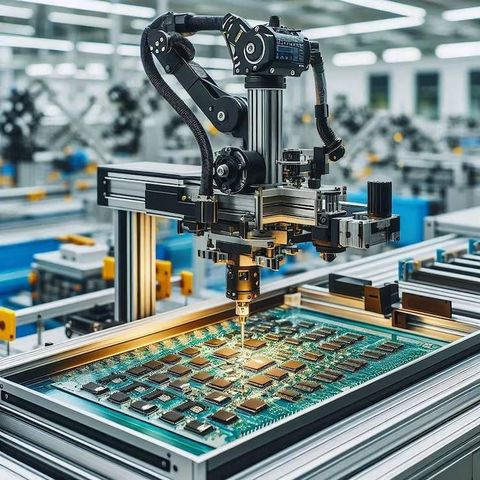
An industrial robot moves the laser head or workpiece along a programmed path. This configuration is useful for treating complex shapes and repeating deposition patterns.
High-speed laser cladding
High-speed techniques are designed to deposit thin protective layers at increased travel speeds. They can be useful for selected large-scale applications, including cylindrical surfaces and certain industrial discs.
Hybrid laser cladding systems
Hybrid arrangements combine laser deposition with other manufacturing operations, such as machining or automated inspection. Their purpose is to coordinate multiple process stages and improve production control.
The best configuration depends on the required coating thickness, surface geometry, material compatibility, and inspection requirements.
Recent Updates and Technology Trends
Developments during 2025 and 2026 have placed greater emphasis on monitoring, automation, and data-driven process control in laser-based manufacturing.
One important trend is the use of sensors to observe the melt pool, temperature distribution, deposited geometry, and other process conditions. These measurements can help engineers identify unusual behavior while material is being deposited.
Research published in April 2026 examined how machine learning and in-process sensing can support defect assessment, parameter adjustment, and quality control in laser additive manufacturing. The research also highlighted continuing challenges in achieving reliable, repeatable production.
Recent research published in March 2026 explored a digital-twin approach for laser cladding, connecting process data, equipment control, and historical records. Such approaches are promising, but their practical performance depends on sensor accuracy, model quality, and system integration.
Real-time monitoring of melt-pool behavior.
Machine learning for identifying possible process defects.
Automated adjustment of selected process parameters.
Improved tracking of deposited material and component history.
Integration of robotic movement with digital manufacturing systems.
Greater attention to repeatability and documented quality checks.
These developments do not mean every laser cladding system includes artificial intelligence or automatic defect correction. Capabilities vary by equipment configuration and application.
Laws, Safety Standards, and Industrial Policies
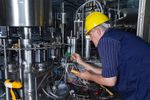
Laser cladding involves high-intensity laser radiation, hot metal, electrical equipment, fumes, and fine metal powders. Industrial facilities must therefore assess risks and follow the applicable workplace safety and machinery requirements.
ISO 11553-1:2020 addresses laser radiation safety in laser processing machines. The standard was reviewed and confirmed in 2025, and it remains current according to the International Organization for Standardization. It covers risk assessment, protective measures, verification, and information supplied to users.
In India, manufacturers and industrial facilities should assess applicable occupational safety requirements, factory regulations, electrical safety rules, and environmental obligations. Requirements may differ according to the state, facility, and process. Businesses should verify which provisions apply to their particular operations.
In the United States, workplace requirements administered by the Occupational Safety and Health Administration may apply to protective equipment and other workplace hazards. OSHA also identifies laser-processing safety standards relevant to industrial machinery.
Using appropriate laser enclosures and access controls.
Selecting eye protection suitable for the laser wavelength and exposure risk.
Providing effective extraction and ventilation for process fumes.
Following safe procedures for handling metal powders.
Training operators in emergency shutdown and equipment operation.
Inspecting interlocks, protective barriers, and electrical systems.
Documenting maintenance, risk assessments, and process inspections.
Regulatory compliance should be assessed for the complete installation, not just the laser source. Material handling, robotic movement, ventilation, and operator access may introduce additional hazards.
Tools and Resources for Laser Cladding
Engineers can use several general-purpose tools and resources to plan, monitor, and evaluate laser cladding operations. The choice depends on the component, deposition method, and required quality level.
Process planning and simulation tools
These tools help estimate heat input, material deposition, thermal distortion, and expected layer geometry before manufacturing begins. Simulation can identify potential challenges, although actual results must be verified experimentally.
Material selection resources
Material databases and alloy compatibility charts help engineers compare hardness, corrosion resistance, thermal behavior, and compatibility with the base metal.
Inspection and measurement equipment
Common inspection methods include:
Optical measurement for layer thickness and surface geometry.
Hardness testing to evaluate surface characteristics.
Microscopy to examine the deposited layer and bonding region.
Non-destructive testing to identify certain cracks or internal defects.
Dimensional measurement to verify component tolerances.
Process monitoring and documentation
Sensors, data acquisition systems, and inspection templates can record laser power, travel speed, material feed rate, and other operating parameters. These records help engineers investigate inconsistencies and establish repeatable process conditions.
Operator training resources
Technical training materials should cover laser safety, material handling, equipment operation, process qualification, and inspection procedures. Training should match the installed system and applicable workplace requirements.
Frequently Asked Questions
What is the main purpose of a laser cladding system?
Its main purpose is to deposit a protective or functional metal layer onto a component. The layer can improve selected surface properties or restore worn areas when appropriate engineering procedures are followed.
Which materials are commonly used in laser cladding?
Common materials include stainless steels, nickel-based alloys, cobalt-based alloys, and selected wear-resistant metal alloys. The correct choice depends on the base material and the required operating conditions.
How does laser cladding differ from conventional coating methods?
Laser cladding melts the added material and a small portion of the underlying surface, creating a metallurgical bond. Other coating methods may rely on different bonding mechanisms, so their thickness, structure, and performance can vary.
Can laser cladding restore damaged industrial components?
Yes, it can restore certain worn or undersized surfaces by depositing additional material. The component must first be inspected to confirm that its underlying structure remains suitable for restoration.
What factors affect laser cladding quality?
Important factors include laser power, travel speed, material feed rate, powder or wire quality, shielding gas, surface preparation, and cooling conditions. Poor parameter selection can cause defects such as porosity, cracking, or weak bonding.
Conclusion
Laser cladding systems are an important part of modern precision engineering and industrial surface protection. They enable controlled metal deposition for improving wear resistance, corrosion resistance, and component durability in demanding applications.