Warehouse Automation Systems: Types, Technologies & How to Choose
Warehouses depend on organized, reliable material movement. Warehouse automation systems use machines, software and control technologies to manage activities such as receiving, storing, picking, sorting and dispatching goods.
These systems range from basic conveyor equipment to advanced robotic platforms. Warehouse automation solutions providers and warehouse automation system manufacturers develop different technologies according to facility size, product types and operational requirements.
Automation does not always mean removing human involvement. Many facilities combine automated equipment with employees who supervise processes, manage exceptions and perform tasks that require judgment or physical handling.
Importance of Warehouse Automation
Warehouse automation supports the movement and management of goods throughout storage and distribution facilities. Its importance has increased as warehouses handle different product categories, order volumes and delivery requirements.
Improving Material Movement
Automated material handling systems move products between receiving areas, storage locations, picking stations and dispatch zones. Conveyors, lifts and automated vehicles can support the movement of goods along planned routes.
Supporting Inventory Accuracy
Warehouse management system software helps record inventory movements and maintain information about product quantities and locations. When connected with scanning devices and automated equipment, it can support more consistent inventory tracking.
Organizing Storage Space
Automated storage systems can use vertical space and structured storage locations. This may help facilities organize inventory according to product dimensions, movement frequency and storage requirements.
Coordinating Warehouse Activities
Automation technologies can connect different warehouse processes. For example, inventory software may communicate with conveyor controls or robotic systems to coordinate product movement and order preparation.
Types of Warehouse Automation Technologies
Warehouse automation includes several equipment categories. The appropriate combination depends on the activities performed inside the facility.
Automated Storage and Retrieval Systems
Automated storage and retrieval systems (ASRS) use mechanical equipment and control software to place products into storage locations and retrieve them when required. These systems may use cranes, shuttles, lifts or specialized storage structures.
ASRS applications include distribution centers, manufacturing facilities and warehouses that handle large quantities of stored materials. System design depends on product dimensions, load capacity, storage density and retrieval requirements.
Conveyor Automation Systems
Conveyor automation systems move cartons, packages, containers and other materials along defined paths. Different conveyor designs support different handling activities.
Common types include:
Belt conveyors: Move products using a continuous belt.
Roller conveyors: Transport items using rotating rollers.
Sortation conveyors: Direct packages toward designated destinations.
Vertical conveyors: Transfer materials between different floor levels.
Conveyors are commonly used in receiving, sorting, packing and dispatch operations.
Warehouse Robotics Systems
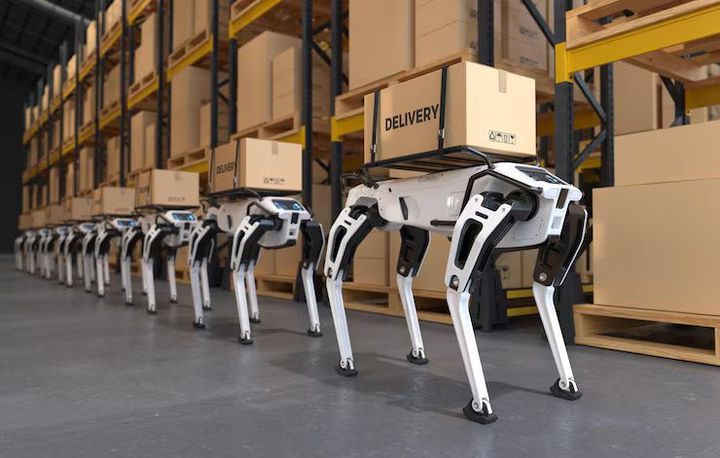
Warehouse robotics systems use programmable machines to perform selected material-handling tasks. Depending on their design, robots may transport products, support picking activities or move items between workstations.
Examples include autonomous mobile robots (AMRs), automated guided vehicles (AGVs), robotic picking arms and pallet-handling robots. Their navigation and control methods vary according to the application and facility layout.
Automated Guided Vehicles
Automated guided vehicles transport materials along planned routes within warehouses and manufacturing facilities. They may use magnetic guidance, sensors, markers or other navigation technologies.
AGVs are used for moving pallets, containers and production materials. Their routes, safety systems and load requirements need to be considered during installation.
Warehouse Management Systems
Warehouse management system software coordinates inventory information and warehouse activities. It can support receiving, put-away, order picking, packing, stock tracking and dispatch processes.
Some systems connect with enterprise resource planning software, barcode scanners, RFID devices and automation equipment. The available functions depend on the software platform and its integration capabilities.
Common Warehouse Automation Equipment
Different equipment types support specific warehouse activities. The following table summarizes common examples and their applications.
| Equipment | Main Function | Common Application |
|---|---|---|
| ASRS | Automated storage and retrieval | High-density storage |
| Conveyor systems | Continuous material movement | Sorting and dispatch |
| AMRs | Flexible goods transportation | Moving items between workstations |
| AGVs | Guided material transportation | Pallet and container movement |
| Robotic picking systems | Automated item handling | Order preparation |
| Barcode scanners | Product identification | Inventory tracking |
| RFID systems | Radio-based identification | Item and asset tracking |
| Automated sorters | Directing items to destinations | Parcel distribution |
The equipment selected for a facility should match its product characteristics, workflow and operating environment.
How to Choose Warehouse Automation Solutions
Selecting warehouse automation equipment requires an understanding of existing operations. A technology that works well in one facility may not be suitable for another.
Assess Warehouse Requirements
Start by reviewing the facility's storage capacity, product dimensions, order patterns and material movement. Identify activities that create delays, require repeated manual handling or involve complex coordination.
Review Equipment Compatibility
Check whether proposed equipment can work with existing storage racks, conveyors, software and building infrastructure. Floor conditions, ceiling height, aisle width and electrical requirements may affect installation.
Consider Software Integration
Warehouse management software should support the facility's inventory processes and communication requirements. Check whether it can exchange information with existing business systems and automation equipment.
Evaluate Safety and Maintenance
Automated equipment requires suitable safety measures, inspections and maintenance procedures. Review emergency stops, sensors, access controls, operating instructions and maintenance requirements before implementation.
Understand System Integration
Warehouse automation system integrators connect equipment, software and control technologies into coordinated workflows. Their work may involve system planning, equipment configuration, software integration and testing.
Facilities should understand the responsibilities of each supplier, equipment manufacturer and integration team before a project begins.
Factors Affecting Warehouse Automation Implementation
The implementation of automation depends on several operational and technical factors. Facility layout, equipment capacity, product variety and software compatibility can influence system design.
Other considerations include employee training, maintenance arrangements, equipment downtime and future changes in warehouse activity. A phased implementation may be appropriate when a facility needs to introduce automation without changing every process at once.
It is also important to establish performance measures. Examples include inventory accuracy, order processing time, equipment availability and material movement rates. These measurements help managers evaluate how a system performs after installation.
Frequently Asked Questions
What are warehouse automation systems?
Warehouse automation systems combine equipment, software and control technologies to support activities such as storage, picking, sorting, inventory tracking and material movement.
What is an automated storage and retrieval system?
An ASRS is a system that uses mechanical equipment and software to store and retrieve products from designated warehouse locations.
What is the role of warehouse management system software?
Warehouse management system software helps coordinate inventory records, receiving, storage, picking, packing and dispatch activities.
What equipment is used in warehouse automation?
Common equipment includes conveyors, ASRS, robotic systems, AGVs, AMRs, barcode scanners, RFID devices and automated sorting machines.
What do warehouse automation system integrators do?
They connect equipment, software and control systems so that different warehouse technologies can operate as part of a coordinated process.
Conclusion
Warehouse automation systems combine mechanical equipment, robotics and software to support modern storage and distribution activities. Technologies such as ASRS, conveyors, warehouse robotics and management software serve different operational purposes.
Selecting suitable automation requires an understanding of warehouse workflows, facility infrastructure, equipment compatibility and safety requirements. Careful planning and system integration help facilities organize material movement and manage inventory processes effectively.