Understanding Food Industry Careers and Their Role in Modern Food Production
Food industry careers involve a wide range of professional roles connected to the production, processing, packaging, distribution, safety, and management of food products. These careers support the systems that help deliver food from farms and manufacturing facilities to consumers and commercial markets. The industry includes technical, scientific, operational, creative, and management-focused positions that contribute to food quality, efficiency, and safety.
Globally, the food industry continues to evolve due to changing consumer preferences, technological advancements, and increasing focus on sustainability and food safety. According to global industry research, food production systems are becoming more automated and data driven, creating demand for skilled professionals across multiple areas of operation. This reflects a broader shift toward efficient and sustainable food production practices.
In practical applications, food industry professionals work in areas such as manufacturing plants, quality control laboratories, logistics networks, research facilities, and product development environments. Their work influences food quality, production efficiency, safety standards, and innovation. As the global food sector grows more complex, understanding career opportunities and their role in modern production becomes increasingly important for students, professionals, and businesses alike.
Who It Affects & Problems It Solves
Food industry careers affect a wide global audience, including manufacturers, agricultural producers, retailers, researchers, logistics providers, and consumers. Students and job seekers exploring stable and evolving industries often consider food production and processing careers because of the sector’s long-term demand and broad employment opportunities.
Without skilled professionals in food production systems, industries may face challenges such as inefficient manufacturing, inconsistent quality, supply chain disruptions, and food safety concerns. Modern food industry careers help solve these issues by supporting quality management, process improvement, automation, and responsible production practices.
A common scenario involves food production facilities struggling with quality control or production delays due to limited technical expertise or outdated systems. Professionals trained in food engineering, safety management, logistics, and production planning help improve efficiency and operational consistency. Understanding these responsibilities highlights the importance of food industry careers and naturally leads into recent developments shaping the sector.
Recent Updates
Over the past year, the food industry has seen increased adoption of automation and digital technologies across production systems. Smart manufacturing equipment, data monitoring tools, and automated packaging systems are becoming more common in modern food facilities. These advancements are creating demand for professionals with technical and analytical skills.
Another important trend is the growing focus on sustainability and responsible production. Industry data suggests that businesses are increasingly investing in waste reduction, energy-efficient processing, and environmentally conscious packaging systems. This shift has expanded career opportunities in sustainability management and environmental compliance.
Food safety and quality assurance technologies have also advanced significantly. Digital tracking systems, automated inspection tools, and improved monitoring processes are helping facilities maintain consistent standards and improve traceability throughout production chains.
Additionally, there is rising interest in specialized food sectors such as plant-based products, functional foods, and nutrition-focused manufacturing. These evolving markets are creating new opportunities for research, product development, and production specialists. These developments provide useful context for comparing different food industry career paths and responsibilities.
Comparison Table
The table below compares major food industry career areas based on their primary responsibilities and workplace focus.
| Career Area | Main Function | Work Environment | Technical Skill Level | Industry Importance |
|---|---|---|---|---|
| Food Production Operator | Machine and process operation | Manufacturing plants | Moderate | High |
| Quality Assurance Specialist | Product quality monitoring | Laboratories and facilities | High | Very high |
| Food Engineer | System and process design | Industrial operations | Very high | High |
| Supply Chain Coordinator | Distribution management | Logistics centers | Moderate | High |
| Food Scientist | Product research and testing | Research laboratories | Very high | High |
| Packaging Specialist | Packaging development | Production facilities | Moderate | Moderate |
| Safety and Compliance Officer | Regulatory monitoring | Industrial facilities | High | Very high |
| Maintenance Technician | Equipment servicing | Manufacturing plants | High | High |
| Production Manager | Workflow supervision | Industrial operations | High | Very high |
| Nutrition Product Developer | Specialized food design | Research and development | High | Growing importance |
The comparison shows that food industry careers involve both technical and operational responsibilities across multiple production stages. Together, these roles support food quality, efficiency, innovation, and safety. Understanding these distinctions naturally leads into practical guidance and career considerations.
Regulations & Practical Guidance
In most countries, food production systems are subject to strict safety and operational standards to ensure product quality and consumer protection. These regulations generally focus on hygiene practices, equipment safety, ingredient handling, and production consistency. Professionals working in the industry are expected to understand and follow these standards carefully.
Globally, there is increasing emphasis on workforce training and technical education within food production environments. Employers often seek individuals with knowledge of automation systems, quality management, safety procedures, and sustainable production methods. Continuous learning and professional development are becoming more important as technologies evolve.
Another key consideration is workplace adaptability. Food production environments may involve changing technologies, evolving consumer expectations, and new sustainability requirements. Professionals who can adapt to modern production systems and digital tools are likely to remain valuable across different sectors of the industry.
Which Option Suits Your Situation?
For individuals interested in technical systems and industrial operations, careers in food engineering or production management may provide opportunities to work with manufacturing technologies and process optimization.
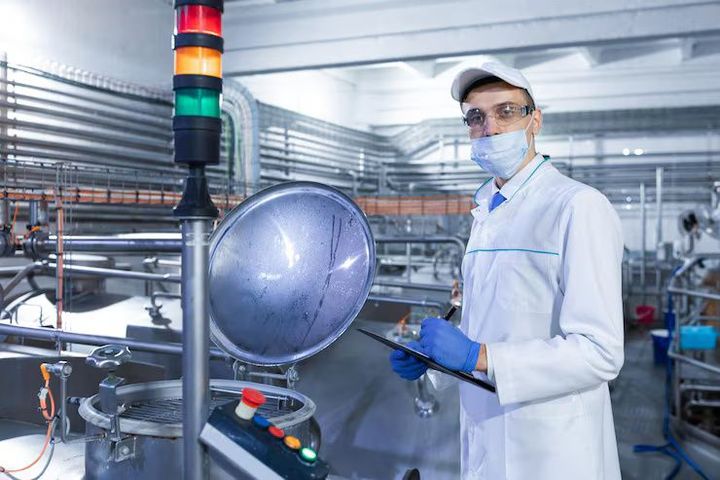
For those interested in science and product quality, food science and quality assurance roles may be suitable. These careers focus on testing, research, product development, and maintaining food safety standards.
For individuals who prefer organizational and coordination responsibilities, supply chain and logistics roles may offer opportunities to manage transportation, inventory, and production scheduling systems.
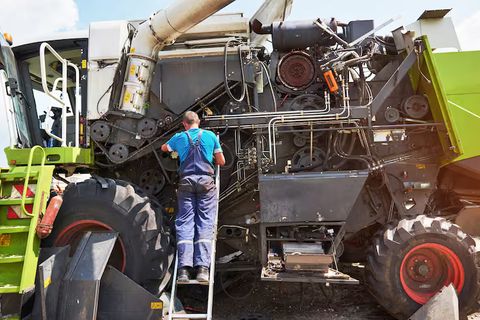
For people interested in maintenance and machinery, technical support and equipment servicing positions may provide practical, hands-on work environments within manufacturing facilities. Selecting the right career path depends on personal interests, technical strengths, and long-term professional goals. These considerations naturally lead into useful tools and resources.
Tools & Resources
Several tools and resources can help individuals better understand and prepare for food industry careers.
Food Manufacturing Simulation Platforms — help users learn production workflows and operational systems.
Technical Training Programs — provide education on food safety, automation, and production technologies.
Career Planning Tools — assist with identifying suitable industry roles and required skills.
Quality Management Software — introduces users to food safety monitoring and production tracking systems.
Industry Journals and Publications — provide updates about trends, technologies, and workforce developments.
Professional Communities — enable networking and discussions about food industry careers and opportunities.
These resources support career planning and professional development, leading naturally into frequently asked questions.
Frequently Asked Questions
What are food industry careers?
Food industry careers include professional roles related to food production, processing, quality control, packaging, logistics, research, and safety management within the global food sector.
What skills are important in the food industry?
Important skills may include technical knowledge, problem-solving, communication, quality management, equipment operation, and understanding of food safety and production systems.
Are food industry careers only related to manufacturing?
No, the food industry includes careers in research, logistics, sustainability, nutrition, quality assurance, engineering, product development, and operational management.
What is a common misconception about food industry careers?
A common misconception is that food industry jobs are limited to factory work. In reality, the sector includes scientific, technical, management, and creative career opportunities.
How can someone prepare for a food industry career?
Preparation may involve technical education, practical training, internships, industry certifications, and learning about food safety, automation, and production systems.
Conclusion
Food industry careers play a major role in supporting modern food production, safety, efficiency, and innovation across global supply systems. Professionals working in production, research, logistics, and quality management help maintain reliable and sustainable food operations.
For most individuals, selecting a food industry career depends on personal interests, technical abilities, and long-term professional goals. Understanding industry trends and developing relevant skills can help improve career opportunities and adaptability.
As global food systems continue to evolve through automation, sustainability, and changing consumer demands, food industry careers are expected to become more specialized, technology-driven, and important within modern production environments.