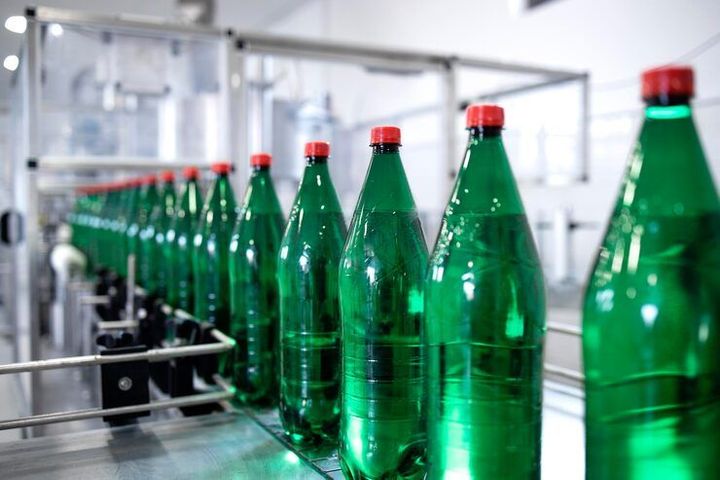
PET Bottle Manufacturing Explained: Production Process, Machinery & Packaging Applications
PET bottle manufacturing is the industrial process used to produce plastic bottles made from polyethylene terephthalate (PET), a lightweight and durable polymer commonly used in packaging industries. PET bottles are widely used for beverages, food products, personal care items, household liquids, and pharmaceutical packaging because of their strength, transparency, and moisture resistance.
The development of PET packaging expanded rapidly during the growth of modern food and beverage industries. Earlier packaging systems relied heavily on glass and metal containers, but PET materials became more common due to their lighter weight and ease of transportation. Today, PET bottle manufacturing combines automated machinery, molding technologies, and packaging systems to produce bottles in different shapes and sizes for industrial and commercial use.
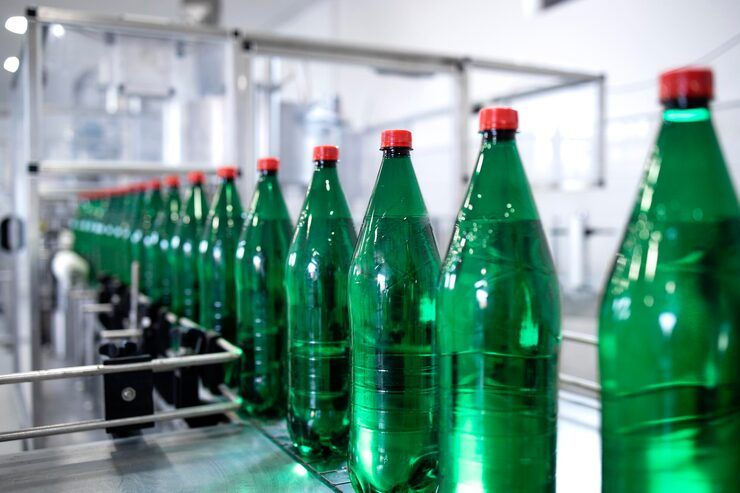
Modern PET bottle production facilities use integrated manufacturing lines that include preform molding, heating systems, blow molding machines, cooling units, inspection systems, and packaging equipment. These systems support continuous production operations across large-scale manufacturing environments.
Importance
PET bottle manufacturing plays an important role in packaging and product distribution industries. PET containers are widely used because they support efficient transportation, product protection, and organized packaging operations.
Packaging and Product Protection
PET bottles help protect liquids and packaged products from contamination, moisture exposure, and physical damage during transportation and storage. Their lightweight structure also supports easier handling across supply chains.
Industries commonly using PET packaging include:
| Industry | PET Bottle Application | Packaging Purpose |
|---|---|---|
| Beverage Industry | Water and soft drink bottles | Liquid packaging |
| Food Processing | Cooking oil containers | Product storage |
| Personal Care | Shampoo and lotion bottles | Consumer packaging |
| Pharmaceuticals | Medical liquid containers | Controlled packaging |
| Household Products | Cleaning liquid bottles | Safe handling |
These packaging systems support large-scale distribution networks.
Transportation and Storage Efficiency
Compared with heavier packaging materials, PET bottles reduce transportation weight and improve storage efficiency. Their design flexibility also allows manufacturers to produce containers suitable for different product categories and packaging requirements.
Support for Automated Packaging Systems
PET bottle manufacturing is closely connected to automated filling, labeling, sealing, and packaging operations. Many industries use high-speed production lines where PET bottles move directly from molding systems into packaging and distribution processes.
Production Process
PET bottle manufacturing involves several stages that transform raw PET material into finished packaging containers.
PET Resin Preparation
The process begins with PET resin, which is supplied in small pellet form. Before manufacturing starts, the resin is dried to remove moisture because excess moisture can affect bottle quality during molding operations.
Proper resin preparation helps maintain:
- Material strength
- Surface clarity
- Dimensional stability
- Production consistency
Injection Molding of Preforms
After drying, PET resin is heated and injected into molds to create preforms. A preform is a small tube-shaped plastic piece that later becomes the finished bottle during blow molding.
Injection molding systems control:
- Resin temperature
- Mold pressure
- Cooling cycles
- Preform dimensions
Preforms are produced in different sizes depending on the intended bottle design.
Heating and Blow Molding
During blow molding, preforms are reheated and placed inside bottle molds. High-pressure air expands the softened preform until it takes the shape of the mold cavity.
Blow molding systems help produce:
- Beverage bottles
- Food containers
- Pharmaceutical packaging
- Industrial liquid containers
This stage determines the final bottle shape and wall thickness.
Cooling and Finishing
After shaping, bottles pass through cooling systems to stabilize the plastic structure. Additional finishing operations may include trimming, neck inspection, and surface quality checks.
Modern production lines often include automated systems that remove defective bottles before packaging.
Quality Inspection
PET bottle manufacturing facilities use inspection systems to monitor bottle consistency and detect production defects.
Inspection areas may include:
- Wall thickness measurement
- Leak detection
- Dimensional accuracy
- Surface inspection
- Neck finish analysis
These procedures help maintain packaging quality and production standards.
Machinery Used in PET Bottle Manufacturing
PET bottle production relies on specialized industrial machinery designed for high-speed packaging operations.
Injection Molding Machines
Injection molding machines create PET preforms by injecting molten plastic into metal molds. These systems are designed for precise temperature and pressure control.
Key machine components include:
- Heating units
- Injection systems
- Mold assemblies
- Cooling channels
Blow Molding Machines
Blow molding machines convert preforms into finished bottles using compressed air and mold systems.
Common blow molding categories include:
- Stretch blow molding machines
- Extrusion blow molding systems
- Injection stretch blow molding equipment
These machines are widely used in beverage and food packaging industries.
Air Compressor Systems
Compressed air systems are important in blow molding operations because they provide the pressure needed to expand heated preforms into bottle shapes.
Conveyor and Packaging Equipment
Automated conveyor systems move bottles between molding, inspection, filling, and packaging stages. Production facilities often use integrated packaging systems for labeling and palletizing operations.
Inspection and Monitoring Systems
Modern PET bottle manufacturing plants use digital monitoring equipment to track machine performance and product quality in real time.
Monitoring functions may include:
- Temperature tracking
- Production speed analysis
- Defect detection
- Machine maintenance alerts
Packaging Applications
PET bottles are used in multiple industries requiring lightweight and durable packaging solutions.
Beverage Packaging
The beverage industry is one of the largest users of PET bottle packaging. PET containers are commonly used for:
- Bottled water
- Soft drinks
- Fruit juices
- Sports beverages
These bottles are designed to support transportation and storage efficiency.
Food Packaging
Food processing industries use PET containers for edible oils, sauces, condiments, and packaged food products. PET packaging helps maintain product visibility and storage convenience.
Pharmaceutical and Healthcare Packaging
Certain medical and healthcare products use PET bottles for liquid packaging and storage applications. Packaging systems in these industries often follow controlled production and inspection procedures.
Household and Personal Care Products
PET packaging is also used for products such as:
- Cleaning liquids
- Detergents
- Shampoo bottles
- Cosmetic containers
Bottle shapes and designs vary depending on packaging requirements.
Recent Updates
Between 2024 and 2026, PET bottle manufacturing continued evolving through automation, recycling technology improvements, and sustainability-focused packaging developments.
Growth of Recycled PET Usage
Manufacturers increasingly use recycled PET materials in bottle production to reduce plastic waste and improve material reuse.
Industry trends include:
- Expanded PET recycling systems
- Improved sorting technologies
- Bottle-to-bottle recycling processes
Lightweight Bottle Design
Packaging manufacturers are developing thinner and lighter PET bottle designs to reduce material consumption while maintaining structural performance.
Smart Manufacturing Systems
PET bottle production facilities increasingly use digital monitoring systems connected to automated machinery and production analytics platforms.
Recent developments include:
- Predictive maintenance systems
- Automated defect inspection
- Real-time production monitoring
- Energy management controls
Energy-Efficient Machinery
Newer blow molding and injection molding systems are being developed with improved energy efficiency and optimized heating technologies.
Laws or Policies
PET bottle manufacturing is influenced by packaging regulations, environmental policies, and industrial production standards.
Food Packaging Regulations
PET bottles used for food and beverage packaging generally follow regulations related to material safety and packaging hygiene.
Requirements may involve:
- Material composition standards
- Packaging inspection procedures
- Production cleanliness controls
Environmental Policies
Governments increasingly regulate plastic packaging and recycling systems through waste management and environmental policies.
Policy areas may include:
- Plastic recycling targets
- Packaging waste reduction
- Recycled material usage
- Waste collection systems
Industrial Safety Standards
Manufacturing facilities using molding machinery and compressed air systems must generally follow workplace safety regulations related to equipment operation and maintenance.
Tools and Resources
Several digital tools and industrial systems support PET bottle manufacturing operations and packaging management.
CAD Design Software
Engineers use design software to create bottle shapes, mold systems, and production layouts before manufacturing begins.
Production Monitoring Platforms
Manufacturing facilities use monitoring systems to track machine performance, output levels, and maintenance schedules.
Functions may include:
- Production reporting
- Equipment diagnostics
- Temperature monitoring
- Quality tracking
Packaging Testing Equipment
Testing tools help manufacturers evaluate bottle performance and packaging quality during production operations.
Common testing systems include:
- Leak testing equipment
- Pressure testing devices
- Dimensional inspection systems
- Material analysis tools
FAQs
What is PET bottle manufacturing?
PET bottle manufacturing is the industrial process of producing plastic bottles from polyethylene terephthalate material using molding and packaging machinery.
How are PET bottles made during the production process?
PET bottles are made through resin drying, preform injection molding, reheating, blow molding, cooling, and quality inspection stages.
Which industries use PET bottle packaging applications?
Industries using PET bottle packaging applications include beverage production, food processing, pharmaceuticals, household products, and personal care manufacturing.
What machinery is used in PET bottle manufacturing?
PET bottle manufacturing commonly uses injection molding machines, blow molding systems, air compressors, conveyor equipment, and quality inspection systems.
Why are PET bottles widely used in packaging industries?
PET bottles are widely used because they are lightweight, durable, transparent, and suitable for automated packaging and transportation systems.
Conclusion
PET bottle manufacturing is an important part of modern packaging and industrial production systems. The production process combines molding technologies, automated machinery, and quality inspection procedures to create lightweight packaging containers for multiple industries. PET bottle applications are widely used in beverage, food, healthcare, and household product packaging operations. Recent developments in recycling systems, lightweight packaging, and smart manufacturing technologies continue influencing PET bottle production. Environmental regulations and packaging standards also shape how PET manufacturing facilities operate and manage packaging materials.