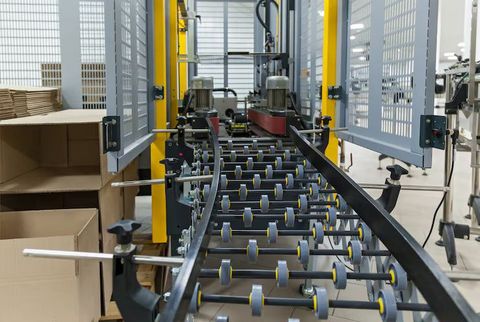
Discover Battery Cell Testing Equipment
Battery cell testing equipment plays a critical role in modern energy storage and electric mobility. These systems help evaluate battery safety, efficiency, durability, and performance. This guide explains how battery testing works, why it matters, recent industry trends, regulations, and useful tools.
Battery cell testing equipment refers to specialized systems used to measure the performance, reliability, and safety of battery cells before they are used in products such as electric vehicles, renewable energy storage units, consumer electronics, and industrial power systems.
As battery technology has evolved, manufacturers and research teams have needed more precise ways to evaluate cell behavior. A battery may look normal externally but still contain internal defects, thermal instability, or performance inconsistencies. Testing equipment exists to identify these issues early.
Common battery testing equipment evaluates:
- Voltage behavior
- Charge and discharge cycles
- Internal resistance
- Temperature stability
- Energy density
- Capacity retention
Battery testing became especially important with the rapid growth of lithium-ion batteries. Today, advanced battery diagnostics and battery management systems rely heavily on testing data to improve energy efficiency and battery lifecycle management.
The following table shows common testing categories.
| Testing Type | Purpose | Key Measurement |
|---|---|---|
| Capacity Testing | Measures stored energy | Ampere-hour |
| Cycle Testing | Checks long-term durability | Charge cycles |
| Thermal Testing | Detects overheating risk | Temperature |
| Resistance Testing | Measures internal losses | Milliohms |
| Safety Testing | Evaluates failure conditions | Thermal response |
High-value industrial keywords often associated with this field include battery testing systems, energy storage diagnostics, battery performance analysis, EV battery validation, and electrochemical testing solutions.
Importance: Why Battery Cell Testing Matters Today
Battery testing has become more important because batteries now power essential infrastructure.
The rise of electric vehicles, solar energy storage, smart devices, and industrial automation has increased demand for reliable batteries. Even small battery defects can lead to major problems.
Battery testing helps solve several critical challenges.
Safety Risk Reduction
Battery failures can cause overheating, swelling, or thermal runaway. Testing helps identify unstable cells before deployment.
Performance Optimization
Battery efficiency affects charging speed, energy output, and runtime. Testing ensures cells meet expected performance standards.
Longer Battery Lifespan
Frequent testing helps engineers understand degradation patterns. This supports better battery lifecycle prediction.
Quality Assurance in Manufacturing
Mass production requires consistency. Testing helps detect variation between cells.
Industries affected include:
- Electric vehicle manufacturing
- Renewable energy storage
- Consumer electronics
- Aerospace systems
- Industrial automation
Battery analytics has also become a major area for predictive maintenance. Companies increasingly use AI-based battery health monitoring to reduce downtime.
Recent Updates in Battery Testing Technology
The battery industry has seen major changes over the past year.
AI-Powered Predictive Testing
During 2025 and early 2026, artificial intelligence became more widely used in battery analytics. AI models now analyze charging patterns and predict degradation earlier than traditional methods.
This improves battery performance forecasting and supports predictive maintenance systems.
Growth of Solid-State Battery Testing
Solid-state batteries are gaining attention due to higher safety and energy density. These cells require different testing protocols because they behave differently from standard lithium-ion batteries.
Testing equipment now includes advanced impedance analysis and pressure monitoring.
Faster Automated Testing Systems
In late 2025, manufacturers increased investment in automated test benches and robotic inspection systems. Automation reduces human error and improves test speed.
Expansion of Battery Gigafactories
Global battery manufacturing expanded rapidly between 2025 and 2026. This increased demand for scalable battery quality control systems.
Battery production trend comparison:
| Year | Global Testing Demand Index |
|---|---|
| 2023 | 100 |
| 2024 | 125 |
| 2025 | 160 |
| 2026 | 190 |
Simple Growth Graph:
2023 ██████████
2024 █████████████
2025 █████████████████
2026 ████████████████████
The trend shows strong growth in battery validation technologies.
Laws and Policies Affecting Battery Testing Equipment
Government regulations strongly influence battery testing requirements.
Many countries have introduced stricter battery safety standards due to rising EV adoption and energy storage expansion.
Important regulatory areas include:
Safety Certification Standards
Battery cells often need testing under recognized safety frameworks covering:
- Thermal safety
- Mechanical stress
- Overcharge protection
- Short-circuit behavior
These standards help ensure battery reliability.
EV Battery Regulations
Countries promoting electric mobility increasingly require certified battery validation before vehicle deployment.
These policies encourage better battery quality assurance.
Recycling and Sustainability Rules
Battery recycling laws are expanding globally. Regulations now encourage lifecycle tracking and end-of-life battery analysis.
This increases the need for battery diagnostic systems.
Government Energy Programs
Clean energy transition programs often support better battery storage infrastructure. Such initiatives indirectly increase demand for advanced testing systems.
In countries investing heavily in renewable energy, battery storage compliance has become an important policy focus.
Tools and Resources for Battery Testing
Many tools help engineers, researchers, and students understand battery performance.
Battery Simulation Software
Simulation platforms model charge-discharge behavior under different conditions.
Useful for:
- Performance prediction
- Thermal analysis
- Degradation modeling
Battery Calculators
Battery calculators help estimate:
- Energy capacity
- Charging time
- Runtime
- Efficiency losses
These are useful for battery planning and diagnostics.
Data Logging Platforms
Data logging systems capture battery performance over long testing cycles.
Typical metrics include:
- Voltage curves
- Temperature profiles
- Resistance changes
Learning Resources
Helpful educational resources include:
- Battery engineering templates
- Testing protocol documents
- Research papers
- Technical training modules
These resources support battery diagnostics knowledge and quality testing procedures.
FAQs
What is battery cell testing equipment used for?
Battery cell testing equipment measures battery safety, capacity, efficiency, and durability. It helps detect defects and performance issues.
Why is thermal testing important for batteries?
Thermal testing identifies overheating risks. Excess heat can reduce battery life and create safety hazards.
Which industries use battery testing equipment?
Industries such as electric vehicles, renewable energy, aerospace, electronics, and industrial manufacturing rely on battery testing.
Can AI improve battery testing?
Yes. AI improves battery diagnostics by analyzing large datasets and predicting performance degradation earlier.
What is cycle life testing?
Cycle life testing measures how many charge and discharge cycles a battery can complete before performance declines significantly.
Conclusion
Battery cell testing equipment has become essential in the modern energy ecosystem. As battery-powered technologies expand, testing systems help ensure safety, reliability, and long-term efficiency. From electric vehicles to renewable energy storage, battery diagnostics supports smarter energy management and better product performance. With growing regulations, AI-driven analytics, and rapid battery innovation, testing equipment will remain central to future energy development.