Thermal Power Plants: Types, Efficiency and Future Trends
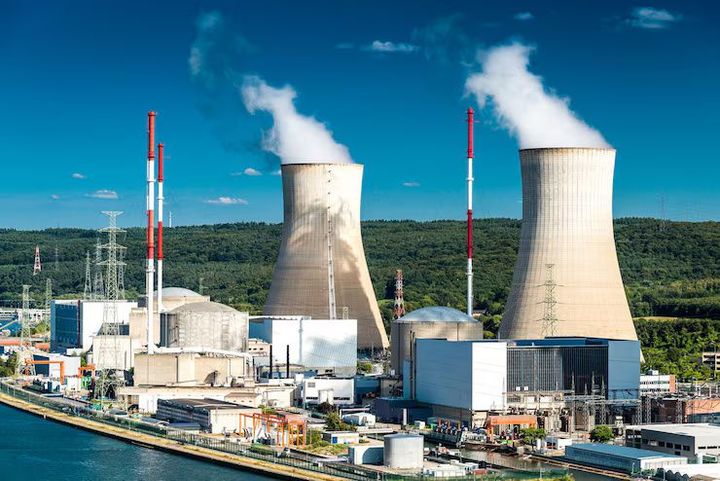
Thermal power plants are facilities that generate electricity by converting heat energy into electrical energy. They have been one of the most widely used methods of power generation for decades because they can produce large amounts of electricity continuously.
The basic idea behind a thermal power plant is simple. Fuel is burned to produce heat, which converts water into high-pressure steam. This steam drives turbines connected to generators that produce electricity. The generated power is then transmitted through electrical grids to homes, industries, commercial buildings, and public infrastructure.
Thermal power plants were developed to meet growing energy demands during industrialization. As populations expanded and industries became more dependent on electricity, reliable power generation became essential. Thermal energy systems offered a practical solution because fuel resources such as coal, natural gas, and oil were widely available.
Today, thermal power plants remain an important part of the global energy mix, although many countries are also increasing investments in cleaner energy technologies.
Why Thermal Power Plants Matter Today
Electricity is a fundamental requirement of modern life. Thermal power plants play a significant role in ensuring a stable and consistent supply of electricity, especially in regions where renewable energy sources alone cannot meet demand.
These facilities impact several sectors:
- Residential electricity supply
- Manufacturing and industrial operations
- Transportation infrastructure
- Healthcare facilities
- Data centers and communication networks
- Agricultural operations
One major advantage of thermal power plants is their ability to generate electricity around the clock. Unlike some renewable sources that depend on weather conditions, thermal plants can provide continuous power output when needed.
Key Problems They Help Address
- Meeting large-scale electricity demand
- Supporting grid stability
- Providing backup power during peak consumption periods
- Ensuring energy availability in developing regions
- Supporting industrial productivity
Despite these benefits, thermal power plants face challenges related to fuel consumption, emissions, and environmental sustainability. This has encouraged ongoing research into cleaner technologies and efficiency improvements.
How Thermal Power Plants Work
The electricity generation process follows several key steps:
| Stage | Function |
|---|---|
| Fuel Combustion | Fuel is burned to produce heat |
| Boiler Operation | Heat converts water into steam |
| Steam Turbine | Steam rotates turbine blades |
| Generator | Mechanical energy becomes electricity |
| Condenser | Steam cools and returns to water |
| Transmission | Electricity moves to the power grid |
Simplified Energy Conversion Process
Fuel Energy → Heat Energy → Steam Energy → Mechanical Energy → Electrical Energy
This conversion cycle forms the foundation of most thermal power generation systems used worldwide.
Main Types of Thermal Power Plants
Different thermal power plants use different fuel sources and technologies.
Coal-Fired Power Plants
Coal remains one of the most common fuels used in thermal generation. Pulverized coal is burned inside large boilers to create steam.
Characteristics include:
- Large-scale electricity production
- Established infrastructure
- Continuous operation capability
Natural Gas Power Plants
Natural gas plants often use gas turbines or combined-cycle technology.
Benefits include:
- Higher efficiency levels
- Lower emissions than coal
- Faster startup times
Oil-Fired Power Plants
These plants use petroleum-based fuels to generate heat.
Common applications include:
- Emergency power generation
- Remote locations
- Backup energy systems
Combined Cycle Power Plants
Combined cycle plants use both gas turbines and steam turbines.
Advantages include:
- Improved fuel utilization
- Higher efficiency
- Reduced fuel consumption per unit of electricity
Biomass Thermal Plants
Biomass facilities use organic materials such as agricultural residues and plant waste as fuel.
These systems contribute to diversified energy production while utilizing renewable biological resources.
Efficiency in Thermal Power Plants
Efficiency measures how effectively a power plant converts fuel energy into electricity.
Higher efficiency means:
- Lower fuel consumption
- Reduced emissions
- Improved operational performance
- Better resource utilization
Typical Efficiency Comparison
| Plant Type | Approximate Efficiency |
| Traditional Coal Plant | 30%–38% |
| Modern Coal Plant | 38%–45% |
| Natural Gas Combined Cycle | 50%–65% |
| Advanced Thermal Systems | Above 65% |
Several factors influence efficiency:
- Boiler performance
- Turbine design
- Fuel quality
- Heat recovery systems
- Maintenance practices
- Cooling technologies
Recent engineering advancements continue to improve thermal plant efficiency through digital monitoring, automation, and advanced materials.
Recent Updates and Industry Trends
The thermal power sector has experienced significant changes during 2025 and early 2026.
Growing Focus on Emission Reduction
Many countries have accelerated efforts to reduce greenhouse gas emissions from power generation. Utilities are upgrading older facilities with cleaner combustion technologies and improved pollution control systems.
Expansion of Carbon Capture Technologies
Carbon capture projects have gained attention as governments and energy companies explore methods to reduce carbon dioxide emissions while maintaining reliable electricity generation.
Digital Power Plant Operations
Artificial intelligence, predictive maintenance, and real-time monitoring systems are increasingly being adopted. These technologies help operators improve efficiency, reduce downtime, and optimize fuel usage.
Flexible Power Generation
As renewable energy capacity increases, thermal plants are being adapted to operate more flexibly. This allows them to balance electricity supply when solar or wind generation fluctuates.
Hybrid Energy Systems
Several power systems now combine thermal generation with renewable energy resources and energy storage technologies to improve reliability and sustainability.
These trends indicate a transition toward cleaner and more efficient thermal power generation rather than the immediate elimination of thermal facilities.
Laws and Policies Affecting Thermal Power Plants
Government regulations play a major role in shaping thermal power plant operations.
Environmental Standards
Many countries have introduced stricter standards for:
- Air quality
- Sulfur dioxide emissions
- Nitrogen oxide emissions
- Particulate matter control
- Carbon emissions reporting
Energy Transition Policies
Governments are increasingly promoting cleaner energy systems through long-term energy planning frameworks.
Policy goals often include:
- Improved energy efficiency
- Reduced emissions intensity
- Modernization of power infrastructure
- Greater renewable energy integration
India's Regulatory Framework
In India, thermal power plants operate under regulations related to environmental protection, emissions control, and electricity generation standards.
Important policy areas include:
- Emission monitoring requirements
- Environmental impact assessments
- Energy conservation initiatives
- National climate commitments
- Grid reliability standards
These regulations encourage power producers to adopt cleaner technologies and improve operational performance.
Useful Tools and Resources for Learning About Thermal Power Plants
Students, researchers, and industry professionals can access various educational resources to better understand thermal power generation.
Technical Calculators
Common calculation tools include:
- Thermal efficiency calculators
- Heat rate calculators
- Steam property calculators
- Fuel consumption estimators
- Energy conversion calculators
Learning Resources
Helpful educational materials include:
- Engineering textbooks
- Research journals
- Government energy reports
- Academic publications
- Energy statistics databases
Simulation Software
Training and educational programs often use simulation platforms to model:
- Steam cycles
- Turbine performance
- Boiler operation
- Power plant efficiency
Data Monitoring Platforms
Modern power facilities rely on digital dashboards that provide:
- Real-time performance tracking
- Emissions monitoring
- Equipment diagnostics
- Predictive maintenance insights
These resources support informed learning and better understanding of thermal power systems.
Frequently Asked Questions
What is a thermal power plant?
A thermal power plant is a facility that generates electricity by converting heat energy into electrical energy through steam turbines and generators.
Which fuel is most commonly used in thermal power plants?
Coal has traditionally been the most widely used fuel, although natural gas and biomass are also commonly used in many regions.
Why are thermal power plants important?
They provide reliable, large-scale electricity generation that supports homes, businesses, industries, transportation systems, and public services.
Are thermal power plants environmentally friendly?
Thermal power plants produce emissions during fuel combustion. However, modern technologies are improving efficiency and reducing environmental impacts through cleaner operations.
What is the future of thermal power plants?
The future is likely to involve higher efficiency systems, advanced emissions controls, carbon capture technologies, digital monitoring, and integration with renewable energy resources.
Conclusion
Thermal power plants remain one of the most significant sources of electricity generation worldwide. Their ability to provide stable and continuous power has supported economic development, industrial growth, and modern living standards for decades.