Explore about Mobile Crane
Mobile cranes play a major role in modern construction, infrastructure development, logistics, mining, and industrial engineering. These powerful lifting machines are designed to move heavy materials from one place to another with flexibility and precision. Unlike fixed cranes, mobile cranes can travel easily to different worksites, making them one of the most practical heavy equipment solutions used worldwide.
From skyscraper construction to bridge installation and industrial plant operations, mobile cranes continue to support large-scale projects that require advanced lifting technology. Their versatility, mobility, and lifting capabilities make them essential equipment in industries where heavy material handling is critical.
What Is a Mobile Crane?
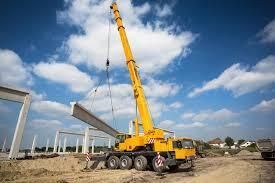
A mobile crane is a type of lifting equipment mounted on wheels or crawlers that can transport heavy loads using a hydraulic or cable-operated boom. The machine is engineered to lift, lower, and move materials safely across construction zones and industrial environments.
Most modern mobile cranes use hydraulic systems because they provide smooth lifting power and improved operational control. Hydraulic technology has significantly increased lifting efficiency while reducing manual effort and operational risk.
Mobile cranes are commonly used for:
- Construction projects
- Steel structure installation
- Shipping and port handling
- Oil and gas operations
- Wind energy projects
- Industrial equipment relocation
- Infrastructure development
The global construction equipment sector continues to grow due to rising infrastructure investments and urban expansion. Heavy lifting machinery, including mobile cranes, remains a key part of this growth.
Types of Mobile Cranes
Different industries require different crane configurations. Manufacturers design mobile cranes based on terrain, lifting capacity, and operational flexibility.
Truck-Mounted Cranes
Truck-mounted cranes are attached to commercial truck chassis, allowing easy transportation between locations. These cranes are widely used in urban construction and utility operations because they combine mobility with lifting capability.
Their fast setup time makes them suitable for short-duration lifting projects.
All-Terrain Cranes
All-terrain cranes are designed for both highway travel and rough construction sites. These cranes feature advanced suspension systems and multiple steering modes for improved maneuverability.
They are commonly used in infrastructure projects, energy facilities, and heavy industrial construction.
Rough Terrain Cranes
Rough terrain cranes are built specifically for uneven and challenging surfaces. Large rubber tires and strong suspension systems help them operate effectively on muddy or rocky ground.
These cranes are often seen in mining, oilfield operations, and remote construction sites.
Crawler Cranes
Crawler cranes move on tracks instead of wheels. They offer exceptional stability and high lifting capacity, making them ideal for mega construction projects.
Because of their strong load-bearing capability, crawler cranes are frequently used in bridge construction and large industrial installations.
How Mobile Crane Technology Works
Modern mobile cranes rely heavily on hydraulic engineering and computerized control systems. Hydraulic cylinders generate lifting force, while telescopic booms extend outward to reach greater heights and distances.
Advanced crane systems may include:
- Load moment indicators
- Stability monitoring systems
- Digital control panels
- GPS tracking technology
- Telematics diagnostics
- Anti-collision systems
These innovations improve lifting accuracy, operational efficiency, and workplace safety.
The integration of smart technology into heavy construction machinery has transformed crane operations in recent years. Digital monitoring systems now help operators analyze lifting performance and reduce equipment downtime.
Importance of Crane Safety Systems
Safety is one of the most critical aspects of crane operations. Since mobile cranes handle extremely heavy loads, even small operational errors can create serious hazards.
Modern crane safety systems are designed to reduce risks through automation and real-time monitoring.
Common Crane Safety Features
- Overload protection systems
- Boom angle sensors
- Wind speed monitoring
- Emergency shutdown controls
- Outrigger stability sensors
- Real-time load monitoring
Construction companies increasingly focus on workplace safety compliance and industrial risk management. This has increased demand for advanced crane inspection procedures and operator training programs.
According to global workplace safety studies, equipment monitoring and operator awareness significantly reduce construction-related lifting incidents.
Industries That Depend on Mobile Cranes
Mobile cranes support multiple industries worldwide. Their flexibility allows them to adapt to different lifting environments and project requirements.
Construction Industry
Construction remains the largest sector using mobile cranes. High-rise buildings, bridges, tunnels, and transportation systems all require heavy lifting machinery during development.
Renewable Energy Sector
Wind turbine installation projects rely heavily on high-capacity cranes capable of lifting massive turbine components to extreme heights.
As renewable energy investments grow globally, crane technology continues evolving to meet larger infrastructure demands.
Oil and Gas Operations
Refineries, drilling sites, and offshore facilities frequently use specialized cranes for equipment handling and maintenance activities.
Heavy industrial lifting solutions are essential in these environments because of the size and weight of operational machinery.
Shipping and Logistics
Ports and cargo terminals use mobile cranes for loading and unloading shipping containers, industrial materials, and oversized freight.
Efficient cargo handling improves global supply chain operations and transportation productivity.
Mobile Crane Maintenance and Performance
Regular maintenance is necessary to ensure safe and reliable crane performance. Preventive maintenance helps reduce equipment failure and operational downtime.
Key Maintenance Areas
- Hydraulic system inspection
- Wire rope examination
- Brake system testing
- Tire and track condition checks
- Lubrication management
- Electrical component diagnostics
Industrial equipment maintenance has become increasingly data-driven. Many companies now use predictive maintenance software and telematics systems to monitor crane health in real time.
These technologies help reduce unexpected breakdowns and improve long-term equipment efficiency.
Trends Shaping the Mobile Crane Industry
The mobile crane industry continues to evolve due to advancements in engineering, automation, and environmental regulations.
Smart Crane Technology
Digital automation and remote monitoring systems are becoming standard features in modern crane fleets. Operators can now access real-time performance analytics through integrated software systems.
Sustainable Equipment Design
Manufacturers are developing energy-efficient crane models that reduce fuel consumption and environmental impact. Hybrid and electric crane technologies are gaining attention in environmentally focused construction projects.
Increased Infrastructure Investment
Governments across many countries continue investing in transportation, urban development, and energy infrastructure. This drives demand for advanced heavy lifting equipment and modern construction machinery.
Operator Training Advancements
Simulation-based crane training programs are becoming more common. These digital systems help operators improve lifting skills and workplace safety awareness.
Final Thoughts
Mobile cranes are among the most important machines in modern industrial and construction environments. Their ability to lift heavy materials efficiently and operate across different terrains makes them essential for infrastructure growth and industrial development.
As technology continues advancing, mobile cranes are becoming smarter, safer, and more energy-efficient. From hydraulic engineering to digital monitoring systems, the future of heavy lifting equipment is increasingly driven by innovation and operational precision.