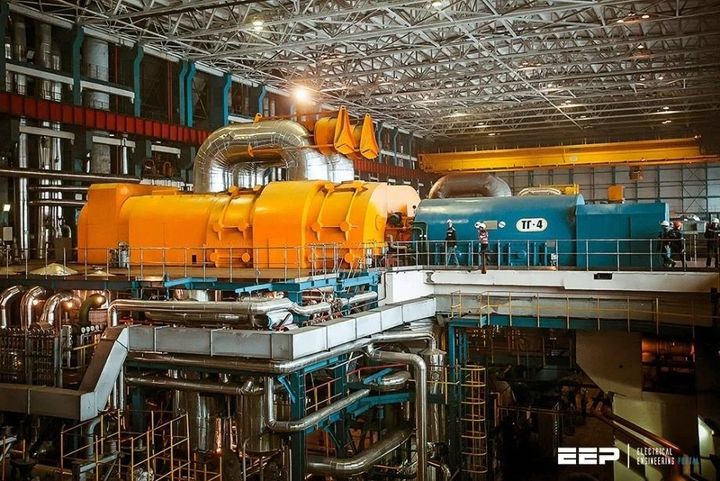
Turbine Generator Systems Guide : Power Generation, Efficiency & Applications
Turbine generator systems are important technologies used to produce electricity at power plants and industrial facilities. A typical system combines a turbine with an electrical generator. The turbine converts the energy of a moving fluid into rotational mechanical energy, while the generator converts that rotation into electrical energy.
The basic concept has existed for many years, but modern turbine generator systems have become increasingly sophisticated. Improvements in turbine design, generator technology, digital monitoring, materials, and control systems have helped power producers improve reliability and operating efficiency.
Different energy sources can drive turbines. Steam turbines commonly use heat from fuels, nuclear reactions, or concentrated solar systems. Gas turbines use hot combustion gases. Hydroelectric turbines use flowing or falling water. Wind turbines use the kinetic energy of moving air.
The general energy conversion process is:
Energy source → Fluid movement → Turbine rotation → Generator rotation → Electrical power
A generator normally contains a rotating component called the rotor and a stationary component called the stator. As the rotor turns within a magnetic field, electromagnetic induction produces electricity.
The overall performance of a turbine generator depends on several factors, including turbine design, generator efficiency, operating conditions, fuel or energy-source quality, maintenance, cooling, and electrical transmission requirements.
Why Turbine Generator Systems Matter Today
Electricity demand continues to grow because of industrial production, transportation electrification, digital infrastructure, buildings, and data centers. This makes dependable power generation increasingly important.
Turbine generator systems can operate across a wide range of capacities and applications. Large installations can supply electricity to national or regional grids, while smaller systems may support industrial facilities or isolated power networks.
Some important advantages include:
- Large-scale electricity generation
- Integration with different energy sources
- Continuous operation in suitable applications
- High power output from relatively compact equipment
- Compatibility with established electrical-grid infrastructure
- Potential integration with automation and digital monitoring
- Application across utility, industrial, marine, and renewable-energy projects
Efficiency is another major consideration. A system that converts a greater proportion of available energy into electricity can reduce energy losses and improve overall resource utilization.
Combined-cycle power plants demonstrate this principle by using a gas turbine and then recovering heat from its exhaust to produce steam for another turbine. This allows more of the original energy input to be converted into electricity than with a simple-cycle gas turbine alone.
Hydroelectric and wind turbine systems have a different operating model because they use naturally available mechanical energy rather than combustion. Their performance depends strongly on water flow, wind conditions, equipment design, and grid availability.
Main Types of Turbine Generator Systems
Steam Turbine Generator Systems
Steam turbines use high-pressure steam to rotate turbine blades. They are widely associated with thermal and nuclear power generation and can also be used in industrial cogeneration systems.
Gas Turbine Generator Systems
Gas turbines use hot, pressurized combustion gases to produce rotation. They can respond relatively quickly to changes in electricity demand and are used in both simple-cycle and combined-cycle plants.
Hydro Turbine Generator Systems
Hydroelectric systems use flowing or falling water. Depending on water conditions and plant design, different turbine configurations may be selected for high-head, medium-head, or low-head applications.
Wind Turbine Generator Systems
Wind turbines convert the kinetic energy of moving air into rotational energy and then electricity. Their output varies according to wind speed and operating conditions.
Combined-Cycle Turbine Systems
Combined-cycle systems integrate gas turbines with steam turbines. Heat recovered from gas-turbine exhaust is used to generate steam, which drives an additional turbine.
| System Type | Primary Energy Source | Typical Application |
|---|---|---|
| Steam turbine | Steam | Thermal and nuclear plants |
| Gas turbine | Hot combustion gases | Grid and industrial generation |
| Hydro turbine | Moving water | Hydroelectric plants |
| Wind turbine | Moving air | Renewable power generation |
| Combined cycle | Gas plus recovered heat | High-efficiency power generation |
Recent Updates and Industry Trends
The turbine generator sector is being influenced by rising electricity demand, renewable-energy expansion, grid modernization, energy storage, and the need for more flexible generation.
In India, the power sector has experienced strong growth in both electricity demand and renewable generation during 2026. In April 2026, electricity generation reached 167.61 billion kWh, while peak demand reached 256.1 GW on April 25. Renewable generation also increased substantially during the month.
July 2026 brought another notable development. India recorded its highest renewable-energy generation for that period, with renewables accounting for about 20% of the electricity mix. Solar and wind together exceeded 100 GW of capacity and contributed a record share of electricity on July 13.
These developments are increasing interest in flexible generation, advanced grid controls, energy storage, and technologies capable of operating alongside variable renewable resources.
Another important trend is digitalization. Modern turbine generator systems increasingly use sensors, automated controls, condition monitoring, vibration analysis, and data analytics to identify performance changes before they become major operational problems.
Combined-cycle systems are also relevant where flexible thermal generation is required. At the same time, hydro, wind, and other turbine technologies continue to support diversification of the electricity mix.
The broader industry is therefore moving toward systems that combine efficiency, flexibility, monitoring, grid compatibility, and lower environmental impact.
Laws, Regulations, and Policies
Regulatory requirements depend on the country, plant capacity, technology, fuel, environmental characteristics, and whether the generating unit connects to an electricity grid.
For India, turbine generator projects are influenced by the Electricity Act, 2003, Electricity Rules, Central Electricity Authority regulations, grid requirements, environmental regulations, and applicable state-level provisions.
The Electricity Rules, 2005 establish important provisions under the Electricity Act, including requirements relating to captive generating plants.
Technical requirements are particularly important for generating stations that connect to the electricity grid. The Central Electricity Authority maintains technical standards covering construction of electrical plants and electric lines. Updated construction standards were issued in August 2026.
Safety requirements are also periodically updated. The Central Electricity Authority published the Measures Relating to Safety and Electric Supply Amendment Regulations, 2026 on August 20, 2026.
Grid connectivity is another active policy area. In August 2026, the CEA invited public comments on draft Technical Standards for Connectivity to the Grid Regulations, 2026.
For a specific project, applicable requirements should be checked against the latest central and state regulations, technical standards, environmental approvals, electrical safety requirements, and grid-connection rules.
Tools and Resources for Turbine Generator Systems
Several general tools can help students, engineers, plant operators, and researchers understand or evaluate turbine generator systems.
Thermodynamic calculators can help estimate energy conversion, pressure ratios, temperature relationships, steam properties, and theoretical efficiency.
Power and energy calculators can be used to understand relationships between electrical power, operating hours, energy generation, and capacity utilization.
Performance-monitoring software can track variables such as temperature, pressure, vibration, rotational speed, electrical output, and efficiency indicators.
Turbine performance curves help users understand how output changes under different operating conditions.
Electrical simulation tools can be used to study generator behavior, voltage, frequency, power factor, and grid interactions.
Maintenance checklists and inspection templates can help organize routine inspections of bearings, lubrication systems, cooling systems, turbine components, generators, electrical connections, and protection equipment.
Energy-flow diagrams are useful for learning how mechanical and thermal energy moves through a generation system.
When selecting technical resources, users should prioritize current regulatory documents, recognized engineering standards, manufacturer documentation, academic material, and official electricity-sector publications.
Frequently Asked Questions
What is a turbine generator system?
A turbine generator system is an electricity-generation arrangement in which a turbine converts fluid or air energy into mechanical rotation and a generator converts that rotation into electrical energy.
What are the main types of turbine generators?
The main categories include steam, gas, hydro, and wind turbine generators. Combined-cycle systems can combine gas and steam turbine technologies to improve overall energy utilization.
How is turbine generator efficiency measured?
Efficiency compares useful electrical output with the energy input to the system. The exact calculation depends on the turbine technology and the type of energy supplied.
Where are turbine generator systems used?
They are used in utility power plants, industrial facilities, hydroelectric stations, wind farms, marine applications, cogeneration facilities, and other electricity-generation environments.
Why is grid compatibility important?
A generator connected to an electrical grid must operate within technical requirements for voltage, frequency, protection, synchronization, power quality, and other grid conditions. Proper compliance helps maintain stable and reliable electricity networks.
Conclusion
Turbine generator systems remain a fundamental part of modern electricity generation. Their ability to convert thermal, hydraulic, wind, and other forms of energy into electricity makes them useful across a wide range of applications.