Growing Digital Divide Among Machine Builders: Industry 4.0, AI & Smart Manufacturing
Machine builders are companies and engineering teams that design and develop industrial equipment, production machinery, automation systems, robotics, and manufacturing technologies. Traditionally, machine building focused mainly on mechanical engineering, electrical controls, hydraulics, pneumatics, and physical production.
Today, that approach is changing. Industry 4.0 is connecting machines with sensors, industrial networks, cloud platforms, data systems, artificial intelligence, digital twins, and advanced automation.
The digital divide describes the growing difference between machine builders that can adopt these technologies and those that continue to depend mainly on conventional engineering methods.
This divide does not simply involve access to technology. It also includes digital skills, data management, cybersecurity, software integration, workforce training, and the ability to understand artificial intelligence.
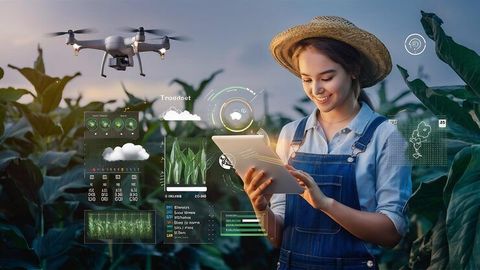
A modern machine may now collect thousands of data points during production. Sensors can monitor temperature, vibration, pressure, speed, energy use, and machine conditions. AI algorithms can analyze these data streams and identify patterns that may not be obvious through manual inspection.
How Industry 4.0 Is Changing Machine Building
Industry 4.0 connects physical production equipment with digital technologies. Important components include:
- Industrial Internet of Things (IIoT)
- Artificial intelligence and machine learning
- Industrial robotics
- Digital twins
- Edge computing
- Cloud computing
- Predictive maintenance
- Industrial cybersecurity
- Real-time production analytics
- Automated quality inspection
For machine builders, this means equipment increasingly needs both mechanical capability and digital intelligence.
A machine that performs a physical operation efficiently may no longer be enough for some modern production environments. Manufacturers increasingly expect equipment to communicate with other systems, generate usable data, support automation, and integrate into connected production environments.
Why the Digital Divide Matters Today
The digital divide matters because manufacturing is becoming more connected and data-driven. Machine builders that lack digital capabilities can face difficulties when integrating equipment into smart factories.
The issue affects several groups, including:
- Machine builders
- Industrial automation engineers
- Factory operators
- Production managers
- Maintenance teams
- Software developers
- System integrators
- Technical educators
- Manufacturing policymakers
One major challenge is the difference between traditional engineering knowledge and newer digital skills.
A mechanical engineer may understand machine structures extremely well but have limited experience with machine learning. Similarly, a software specialist may understand artificial intelligence but have little knowledge of industrial controls or manufacturing processes.
Smart manufacturing requires these areas to work together.
The Role of AI in Smart Manufacturing
Artificial intelligence is becoming an important part of industrial automation and manufacturing analytics.
AI can be applied to areas such as:
- Predictive maintenance
- Machine vision
- Quality monitoring
- Production planning
- Process optimization
- Anomaly detection
- Energy monitoring
- Demand forecasting
- Digital twin analysis
However, AI is not a replacement for engineering judgment. Industrial environments require reliable data, appropriate models, safety controls, testing, human oversight, and clear accountability.
This is particularly important when AI influences machinery or safety-related functions.
The World Economic Forum's 2026 industrial outlook describes a movement from traditional automation toward increasingly intelligent, connected, and autonomous industrial operations.
Skills Are Becoming a Major Factor
The digital divide is also a workforce skills issue.
Machine builders increasingly need knowledge across multiple areas rather than only one engineering discipline. Important skills include:
- Data analytics
- Industrial networking
- PLC and automation programming
- AI fundamentals
- Cybersecurity
- Cloud and edge computing
- Digital twin technologies
- Robotics
- Systems integration
- Data governance
In June 2026, the World Economic Forum introduced a Human-Machine Collaboration Framework covering more than 80 industrial roles. Its analysis indicated that three out of four industrial roles are expected to evolve over the next decade, with many requiring new or expanded skills.
This highlights why digital transformation should include people and processes, not only equipment.
Recent Developments in Industry 4.0 and AI
The past year has seen continued movement from experimental AI projects toward practical industrial applications.
In February 2026, discussion around software-defined automation highlighted a shift toward more flexible software-controlled industrial automation. This approach can make production systems more adaptable by separating some control functions from fixed hardware architectures.
In April 2026, the World Economic Forum's Intelligent Industrial Operations Outlook examined how AI, physical AI, and other emerging technologies are changing industrial operations. The report emphasized the movement toward connected systems in which humans and intelligent technologies work together in real time.
In June 2026, the World Economic Forum reported that AI was increasingly moving from pilot projects into production environments, including factories, supply chains, power systems, and other industrial settings.
Another important development occurred in June 2026, when the Global Lighthouse Network added 15 manufacturers to its network. The World Economic Forum reported that generative AI use cases represented 23% of the network's top solutions in 2025.
These developments suggest that the competitive gap is increasingly connected to the ability to combine machinery, software, data, AI, and human expertise.
Laws, Regulations, and Industry Policies
Regulations are becoming increasingly relevant to machine builders because connected machinery can involve safety, cybersecurity, data protection, and artificial intelligence.
European Union AI Regulation
The European Union AI Act entered into force in August 2024, with different requirements becoming applicable at different dates.
In 2026, the European Commission updated the implementation timeline following the AI Omnibus agreement. Certain high-risk AI requirements have been extended, with rules for high-risk AI embedded in regulated physical products, including relevant machinery, scheduled for August 2, 2028.
Machine builders developing AI-enabled equipment for European markets therefore need to monitor AI classification, conformity requirements, technical documentation, risk management, and applicable standards.
The EU Machinery Regulation is also important. Regulation (EU) 2023/1230 establishes requirements covering machinery and related products, including essential health and safety requirements and conformity assessment obligations. Certain provisions become applicable from October 20, 2026.
Cybersecurity Requirements
Connected machinery can increase cybersecurity exposure because industrial equipment may communicate through networks, remote systems, cloud platforms, or other digital infrastructure.
The EU NIS2 framework has increased attention on cybersecurity risk management in covered sectors. In June 2025, the European Union Agency for Cybersecurity published technical guidance supporting implementation of cybersecurity risk-management requirements.
Machine builders should therefore consider cybersecurity during equipment design rather than treating it as a final-stage technology issue.
General Compliance Considerations
Depending on the country and intended market, machine builders may need to consider:
- Machinery safety regulations
- Product conformity requirements
- Industrial cybersecurity rules
- Data protection legislation
- AI governance
- Functional safety standards
- Electrical safety requirements
- Technical documentation
- Risk assessment procedures
Regulatory requirements vary by jurisdiction, machine type, and intended application. Organizations should verify the rules applicable to their specific equipment and market.
Tools and Resources for Digital Transformation
Machine builders can use a combination of engineering, software, analytics, and learning tools to reduce the digital divide.
Digital Engineering Tools
Useful categories include:
- Computer-aided design software
- Computer-aided engineering tools
- Digital twin platforms
- Simulation software
- PLC programming environments
- Robotics programming tools
- Industrial network analyzers
Data and AI Tools
Common categories include:
- Data visualization dashboards
- Machine learning platforms
- Predictive analytics tools
- Statistical analysis software
- Anomaly detection systems
- Computer vision frameworks
- Edge analytics platforms
Cybersecurity Resources
Helpful resources can include:
- Industrial cybersecurity checklists
- Network assessment templates
- Risk assessment worksheets
- Incident response plans
- Access-control matrices
- Asset inventory templates
Learning Resources
Teams can strengthen digital capabilities through:
- Industry 4.0 training courses
- AI fundamentals programs
- Industrial cybersecurity learning materials
- Robotics tutorials
- PLC programming exercises
- Data analytics courses
- Digital manufacturing workshops
- Technical standards and regulatory guidance
A practical approach is to begin with a skills assessment. This can identify gaps between existing engineering capabilities and the knowledge required for connected manufacturing.
Frequently Asked Questions
What is the digital divide in machine building?
The digital divide is the gap between machine builders with advanced digital capabilities and those with limited access to technologies, skills, data systems, automation, AI, and connected manufacturing tools.
Why is Industry 4.0 important for machine builders?
Industry 4.0 connects machines, software, sensors, data, and people. It allows industrial equipment to participate in connected production environments and supports applications such as predictive maintenance, automated inspection, and production analytics.
How is AI being used in machine building?
AI can support predictive maintenance, machine vision, anomaly detection, process monitoring, production planning, and other industrial applications. Its suitability depends on data quality, risk level, system design, and human oversight.
Does every machine builder need advanced AI?
No. The appropriate level of digital technology depends on the machine, manufacturing environment, customer requirements, safety considerations, available data, and regulatory obligations. Digital transformation can begin with basic connectivity and data collection before progressing to more advanced AI applications.
How can machine builders reduce the digital divide?
They can assess their current digital maturity, develop workforce skills, improve industrial connectivity, strengthen cybersecurity, standardize data collection, and gradually introduce technologies such as analytics, digital twins, robotics, and AI.
Conclusion
The digital divide among machine builders is becoming more visible as Industry 4.0 and AI reshape manufacturing. Modern industrial equipment increasingly connects mechanical engineering with software, data, automation, cybersecurity, and intelligent decision-making.