Thermal Testing Equipment: Explore Guide, Tips, Insights, Facts, Resources, and Expert Knowledge
Thermal testing equipment refers to instruments and systems designed to measure, monitor, analyze, and evaluate how materials, products, and components respond to temperature changes. These technologies are widely used in manufacturing, electronics, automotive engineering, aerospace research, construction, energy systems, and scientific laboratories.
The primary purpose of thermal testing is to understand how heat affects physical properties, performance, reliability, and safety. Engineers and researchers use thermal analysis to determine whether products can operate effectively under specific environmental conditions.
As products become more advanced and energy-efficient, the need for accurate temperature analysis continues to grow. Thermal testing equipment helps organizations identify potential issues before products are deployed in real-world environments.
Common Types of Thermal Testing Equipment
| Equipment Type | Primary Function | Typical Applications |
|---|---|---|
| Thermal Chambers | Simulate temperature conditions | Product reliability testing |
| Infrared Cameras | Detect heat patterns | Electrical inspections |
| Thermocouples | Measure temperature | Industrial monitoring |
| Environmental Test Chambers | Combined climate testing | Automotive and aerospace |
| Thermal Analyzers | Material property evaluation | Research laboratories |
| Heat Flux Sensors | Measure heat transfer | Building and energy studies |
Why Thermal Testing Equipment Matters Today
Thermal testing equipment plays a critical role in ensuring product quality, operational safety, and regulatory compliance. Modern industries rely heavily on electronic systems, batteries, renewable energy technologies, and advanced materials that must function within specific temperature ranges.
Several factors have increased the importance of thermal testing:
- Growth of electric vehicles and battery technologies
- Expansion of renewable energy systems
- Increased demand for reliable consumer electronics
- Higher focus on industrial safety standards
- Development of advanced manufacturing processes
- Rising emphasis on energy efficiency
Without proper thermal analysis, products may experience overheating, reduced performance, shorter lifespans, or unexpected failures.
Industries Most Affected by Thermal Testing
Thermal testing equipment supports numerous sectors:
Electronics Industry
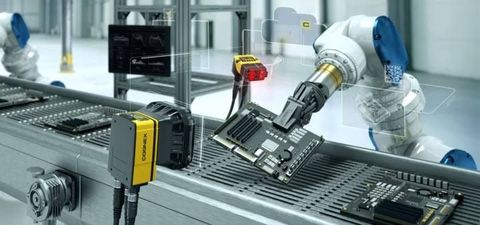
Manufacturers evaluate circuit boards, processors, power supplies, and semiconductor devices to prevent overheating and performance degradation.
Automotive Sector
Engineers analyze batteries, engines, braking systems, and vehicle electronics under varying temperature conditions.
Aerospace Applications
Aircraft and spacecraft components must operate reliably under extreme thermal environments.
Energy Industry
Power generation facilities, solar systems, and battery storage installations use thermal monitoring to optimize efficiency.
Construction and Infrastructure
Building inspectors utilize thermal imaging to identify insulation gaps, moisture intrusion, and energy loss.
Problems Solved Through Thermal Testing
Organizations use thermal testing to address several challenges:
- Identifying thermal weaknesses
- Preventing overheating issues
- Improving product durability
- Enhancing energy efficiency
- Supporting safety assessments
- Reducing maintenance risks
- Verifying design performance
- Meeting regulatory requirements
Recent Updates and Industry Trends
The thermal testing sector has experienced significant developments throughout 2025 and early 2026.
AI-Powered Thermal Analysis
Advanced software platforms increasingly integrate artificial intelligence to analyze thermal patterns and identify anomalies automatically. These systems help engineers interpret large datasets more efficiently.
Growth of Battery Testing Technologies
Throughout 2025, increased investment in battery safety testing accelerated the adoption of specialized thermal chambers designed for electric vehicle battery research and energy storage systems.
Smart Thermal Monitoring Systems
Recent developments include wireless sensors and cloud-connected monitoring solutions that provide real-time thermal data collection and reporting.
Expansion of Digital Twin Technologies
Many organizations began combining thermal testing results with digital twin models during 2025, enabling more accurate simulations of real-world operating conditions.
Enhanced Semiconductor Testing
The growing demand for advanced computing hardware has increased the need for highly precise thermal characterization tools used in semiconductor manufacturing and research.
Emerging Technology Comparison
| Trend | Key Benefit | Industry Impact |
| AI Analytics | Faster interpretation | Improved decision-making |
| Smart Sensors | Real-time monitoring | Better operational visibility |
| Digital Twins | Advanced simulation | Enhanced product design |
| Cloud Reporting | Remote access | Improved collaboration |
| Automated Testing | Consistent results | Greater efficiency |
Laws, Regulations, and Policy Considerations
Thermal testing equipment is often used to support compliance with industry standards, safety regulations, and quality assurance requirements.
Requirements vary depending on industry and geographic region, but common frameworks include:
Product Safety Standards
Many industries require evidence that products can withstand specified temperature conditions before entering commercial markets.
Environmental Testing Regulations
Organizations may need to demonstrate product performance under environmental stress conditions using documented testing procedures.
Energy Efficiency Programs
Governments and regulatory bodies frequently establish energy-efficiency guidelines that require thermal performance validation.
Industrial Safety Requirements
Facilities handling high-temperature processes often implement thermal monitoring systems to meet workplace safety standards.
Building Performance Codes
Construction projects increasingly use thermal inspection methods to verify insulation performance and energy conservation measures.
Regulatory Areas Influenced by Thermal Testing
| Regulatory Area | Purpose |
| Product Safety | Reduce operational risks |
| Energy Efficiency | Improve resource utilization |
| Industrial Safety | Protect workers and facilities |
| Environmental Compliance | Support sustainability goals |
| Quality Assurance | Verify product reliability |
Organizations typically follow internationally recognized standards developed by professional testing and engineering organizations to ensure consistency and accuracy.
Helpful Tools and Resources
Professionals working with thermal testing equipment often use various digital tools and resources to improve analysis and reporting.
Thermal Imaging Software
Used for interpreting infrared camera data and generating inspection reports.
Temperature Data Loggers
Collect long-term thermal measurements for trend analysis.
Simulation Platforms
Engineering software allows users to model heat transfer and thermal behavior before physical testing begins.
Calibration Management Systems
Help maintain measurement accuracy and equipment traceability.
Reporting Templates
Standardized documentation supports consistency across testing programs.
Educational Resources
Useful learning materials include:
- Engineering handbooks
- Scientific journals
- Thermal analysis textbooks
- Research publications
- Industry standards documentation
- Professional training programs
Recommended Resource Categories
| Resource Type | Purpose |
| Data Logging Tools | Temperature recording |
| Simulation Software | Thermal modeling |
| Calibration Systems | Measurement accuracy |
| Reporting Templates | Documentation support |
| Research Databases | Technical information |
| Training Programs | Professional development |
Expert Tips for Understanding Thermal Testing
Professionals often recommend several best practices when evaluating thermal testing results.
First, ensure that testing conditions closely resemble actual operating environments. Realistic testing scenarios generally produce more meaningful data.
Second, use calibrated instruments and maintain accurate records. Measurement quality directly influences the reliability of conclusions.
Third, consider both short-term and long-term thermal effects. Some issues become visible only after extended exposure to temperature changes.
Fourth, combine thermal testing with other performance evaluations when possible. A broader assessment often provides better insight into product behavior.
Finally, review industry standards regularly because testing methodologies and compliance expectations continue to evolve.
Frequently Asked Questions
What is thermal testing equipment used for?
Thermal testing equipment is used to evaluate how materials, products, and systems respond to temperature changes. It helps assess performance, reliability, durability, and safety.
Which industries commonly use thermal testing?
Major users include electronics, automotive, aerospace, energy, manufacturing, construction, research laboratories, and semiconductor industries.
What is the difference between thermal imaging and thermal testing?
Thermal imaging focuses on visualizing heat patterns using infrared technology, while thermal testing involves broader methods for measuring and analyzing thermal performance under controlled conditions.
Why is thermal testing important for electronics?
Electronic devices generate heat during operation. Thermal testing helps identify overheating risks, improve reliability, and support long-term performance.
How often should thermal testing equipment be calibrated?
Calibration frequency depends on equipment type, usage levels, manufacturer recommendations, and applicable standards. Regular calibration helps maintain measurement accuracy.
Conclusion
Thermal testing equipment has become an essential component of modern engineering, manufacturing, research, and quality assurance processes. As technologies continue to evolve, understanding thermal behavior remains critical for ensuring safety, efficiency, and long-term reliability.
Recent advancements in artificial intelligence, smart sensors, cloud-based monitoring, and digital twin technology are transforming how thermal analysis is performed. At the same time, regulatory expectations and performance requirements continue to encourage more comprehensive testing practices.
Whether applied in electronics, automotive systems, energy infrastructure, aerospace components, or building performance assessments, thermal testing equipment provides valuable insights that support informed decision-making. By combining accurate measurements, reliable tools, and established testing methodologies, organizations can better understand thermal performance and address challenges before they become larger operational concerns.