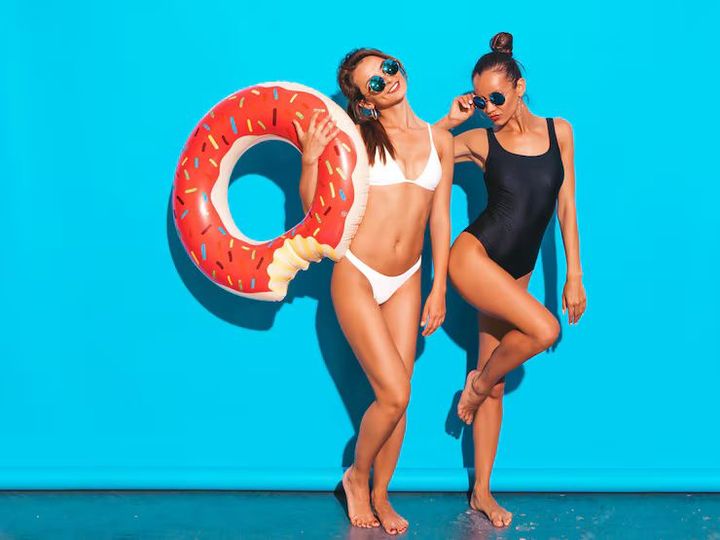
Swimwear Brands Explained: Trends, Comfort, and Design Details
Swimwear brands continue to shape how people approach beachwear, water sports, pool activities, and vacation fashion. Modern swimwear combines comfort, flexibility, and fabric technology with changing style preferences. From athletic swimwear to luxury swimwear collections, brands now focus on fit, durability, and material performance for different age groups and body types.
Swimwear brands continue to shape how people approach beachwear, water sports, pool activities, and vacation fashion. Modern swimwear combines comfort, flexibility, and fabric technology with changing style preferences. From athletic swimwear to luxury swimwear collections, brands now focus on fit, durability, and material performance for different age groups and body types.
The global swimwear market has also expanded through online platforms, fashion collaborations, and eco-conscious manufacturing. Womens swimwear and mens swimwear collections now include designs for fitness, recreation, travel, and lifestyle use. Designer swimwear and bikini brands often introduce seasonal trends influenced by sportswear, sustainability goals, and textile innovation.
Context
Swimwear refers to clothing designed for swimming, water activities, and beach environments. Swimwear brands create products such as bikinis, one-piece suits, swim trunks, rash guards, and performance-focused garments. Different styles are designed for activities including competitive swimming, surfing, resort travel, and casual recreation.
Historically, swimwear evolved from heavy fabric garments into lightweight, stretchable materials with faster drying capability. Advances in synthetic fibers such as nylon, polyester, and elastane improved comfort and movement. Luxury swimwear collections later introduced premium fabrics, detailed stitching, and fashion-oriented cuts that combined functionality with modern aesthetics.
Today, the best swimwear brands focus on several areas:
- Fabric quality
- UV protection
- Water resistance
- Comfort and support
- Inclusive sizing
- Sustainable production
Swimwear categories also vary based on user needs.
| Swimwear Type | Common Features | Typical Use |
|---|---|---|
| Bikini Brands | Two-piece styles and fashion-focused designs | Beaches and vacations |
| Womens Swimwear | Supportive cuts and varied fits | Recreation and fitness |
| Mens Swimwear | Swim shorts, trunks, and compression styles | Swimming and sports |
| Designer Swimwear | Premium fabrics and seasonal collections | Fashion and resort wear |
| Luxury Swimwear | High-end materials and detailed construction | Travel and premium markets |
Importance
Swimwear plays an important role in comfort, safety, athletic performance, and personal confidence. Properly designed swimwear can support body movement, reduce irritation, and improve flexibility during water activities.
For athletes and fitness users, technical swimwear supports streamlined movement in the water. Competitive swimmers often prefer compression-based materials that reduce drag. Casual users may focus more on comfort, breathability, and style.
Swimwear brands also influence wider fashion and textile industries. Seasonal collections often reflect trends in color, sustainability, and fabric innovation. Many designer swimwear labels collaborate with textile manufacturers to develop recycled materials and improved moisture-resistant fabrics.
The importance of swimwear also affects:
Health and Safety
Certain swimwear materials provide UV protection and reduce exposure to sunlight. Rash guards and long-sleeve swimwear are increasingly common in areas with strong sun exposure.
Tourism and Travel
Beach tourism and resort destinations contribute significantly to the demand for luxury swimwear and bikini brands. Travel-focused collections are often designed for warm climates and extended outdoor use.
Sustainability Awareness
Consumers increasingly examine how swimwear is produced. Many brands now use recycled polyester, regenerated nylon, and reduced-water manufacturing methods.
Recent Updates
Between 2024 and 2026, swimwear trends have shifted toward sustainability, comfort-focused designs, and multifunctional use. Brands are developing products that combine fashion with practical performance.
Sustainable Materials
One major development involves recycled textiles made from discarded fishing nets, ocean plastics, and industrial waste materials. Many swimwear brands now include sustainability information within product descriptions and labels.
Inclusive Sizing
Womens swimwear collections increasingly include broader sizing options and adaptive fits. Adjustable straps, flexible waistbands, and supportive linings are becoming more common.
Minimalist Design Trends
Neutral colors, simple cuts, and clean silhouettes became popular across both mens swimwear and designer swimwear collections from 2024 onward. Many consumers prefer versatile styles suitable for both swimming and casual beachwear.
Performance Technology
Recent swimwear developments include:
- Faster drying fabrics
- Chlorine-resistant fibers
- Improved stretch retention
- Lightweight compression panels
- Enhanced UV protection
Digital Retail Expansion
Online measurement tools and virtual fitting technologies are influencing how swimwear brands present sizing information. This helps reduce sizing confusion and improves product selection accuracy.
Laws or Policies
Swimwear manufacturing and distribution are influenced by textile regulations, labeling standards, and environmental policies. These rules vary by country and region.
Textile Labeling Rules
Most countries require swimwear labels to include:
- Fiber composition
- Washing instructions
- Country of origin
- Manufacturer details
These rules help consumers understand material content and garment care requirements.
Environmental Regulations
Some governments now encourage sustainable textile production through environmental guidelines and waste reduction policies. Regulations may involve wastewater treatment, chemical usage limits, and recycling standards.
Product Safety Standards
Children’s swimwear in some regions must meet specific safety requirements related to drawstrings, choking hazards, and flammability standards.
Advertising and Marketing Compliance
Fashion and apparel companies must follow advertising guidelines related to body image representation, environmental claims, and accurate product descriptions. Terms related to sustainability often require factual support and measurable evidence.
Tools and Resources
Several digital platforms and resources help consumers, designers, and researchers understand swimwear materials, sizing, and textile trends.
Fabric Information Platforms
Textile education websites provide details about swimwear fibers, elasticity, and durability. These resources explain how different fabrics behave in saltwater, chlorine, and sunlight.
Size and Fit Calculators
Many swimwear brands use online sizing tools that compare body measurements with garment dimensions. These tools help improve fit selection across womens swimwear and mens swimwear categories.
Sustainability Databases
Environmental tracking platforms help consumers identify recycled fabrics and sustainable manufacturing certifications.
Fashion Trend Reports
Trend forecasting platforms monitor seasonal developments in:
- Bikini brands
- Designer swimwear
- Luxury swimwear
- Sports swimwear
- Textile innovation
Government Consumer Portals
Consumer protection websites in many countries publish apparel labeling standards and textile safety information for manufacturers and retailers.
FAQs
What makes luxury swimwear different from standard swimwear?
Luxury swimwear often uses premium fabrics, detailed stitching, and specialized construction techniques. These collections may also focus on exclusive designs and limited seasonal releases.
Why are recycled materials becoming common in swimwear?
Recycled materials help reduce textile waste and environmental impact. Many swimwear brands use regenerated nylon and recycled polyester to support sustainability goals.
How should swimwear fit properly?
Swimwear should feel secure without restricting movement. Proper fit depends on body shape, fabric stretch, and intended activity such as swimming, surfing, or casual beachwear.
Are designer swimwear products only fashion-focused?
Not always. Many designer swimwear collections combine style with technical features such as UV protection, chlorine resistance, and flexible support.
What fabrics are commonly used in modern swimwear?
Most swimwear products use blends of polyester, nylon, and elastane. These materials help improve stretch, shape retention, and water resistance.
Conclusion
Swimwear brands continue to evolve through changes in textile technology, sustainability practices, and fashion preferences. Modern swimwear combines comfort, flexibility, and functional performance for a wide range of activities. Luxury swimwear and designer swimwear collections increasingly balance style with practical features such as UV protection and durable fabrics.
Womens swimwear, mens swimwear, and bikini brands now reflect broader trends in inclusivity, sustainability, and digital retail development. As textile innovation continues, swimwear design is expected to focus further on environmental responsibility and long-term fabric performance.