Learn Cosmetics: A Complete Introduction for Everyone
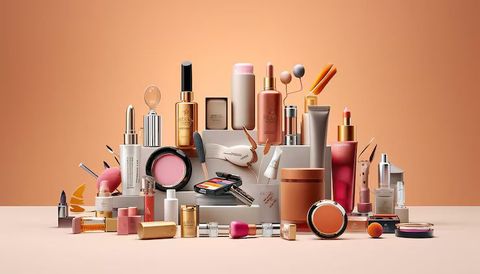
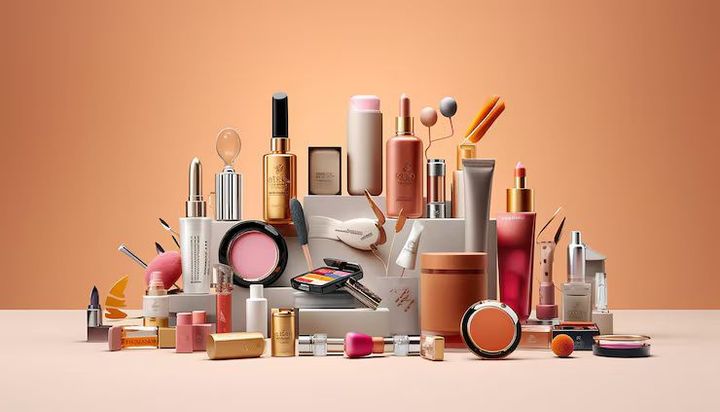
Cosmetics are products used to enhance, cleanse, protect, or maintain the appearance of the skin, hair, nails, lips, and other parts of the body. They have been part of human culture for thousands of years and continue to play an important role in personal care and grooming. Today, cosmetics include a wide range of products such as moisturizers, cleansers, shampoos, lip products, fragrances, and makeup items.
The modern cosmetics industry combines beauty, science, and technology to develop products that meet different consumer needs. People of various ages and backgrounds use cosmetics for hygiene, self-expression, and skincare. Understanding cosmetics can help consumers make informed choices and use products safely and effectively.
Context
Cosmetics are substances or preparations intended for application to the external parts of the human body. Their primary purpose is to clean, perfume, protect, maintain good condition, or change appearance.
Historically, cosmetics were made from natural ingredients such as oils, herbs, minerals, and plant extracts. Ancient civilizations in Egypt, Greece, India, and China used cosmetic products for personal care and cultural practices.
Today, cosmetic products are developed through scientific research and testing. Manufacturers create formulations designed for different skin types, climates, and consumer preferences.
Common Categories of Cosmetics
- Skincare products
- Haircare products
- Makeup products
- Fragrances
- Oral care products
- Nail care products
Main Purposes of Cosmetics
- Personal hygiene and cleanliness
- Skin protection and maintenance
- Appearance enhancement
- Self-expression
- Confidence and personal grooming
Importance
Cosmetics affect millions of people worldwide because they are part of everyday routines. Many products help maintain skin health by cleansing, moisturizing, and protecting against environmental factors.
The cosmetics industry also contributes to innovation in formulation science, ingredient research, and product safety. New developments often focus on improving user experience, sustainability, and product performance.
Different groups benefit from cosmetics in different ways:
| Group | How Cosmetics Are Used |
|---|---|
| Teenagers | Personal hygiene and basic skincare |
| Adults | Daily grooming and appearance maintenance |
| Older Individuals | Skin hydration and care routines |
| Professionals | Workplace grooming and presentation |
| Consumers with Sensitive Skin | Specialized formulations designed for comfort |
Cosmetics also influence trends in fashion, culture, and social media, making them an important part of modern consumer life.
Recent Updates
Between 2024 and 2026, several notable developments have influenced the cosmetics sector.
Sustainability and Environmental Focus
Many manufacturers are reducing packaging waste and exploring recyclable or reusable materials. Environmental considerations continue to shape product development strategies.
Artificial Intelligence and Personalization
Digital tools powered by artificial intelligence are helping consumers understand skin characteristics and product compatibility. Virtual try-on technologies have become more common across cosmetic platforms.
Ingredient Transparency
Consumers increasingly seek detailed information about ingredients. As a result, brands are providing clearer labeling and educational content regarding product formulations.
Growth of Skin-Focused Beauty
Products that combine cosmetic and skincare functions continue to gain attention. Consumers often look for products that support both appearance and skin maintenance.
Diversity and Inclusivity
Manufacturers continue expanding product ranges to accommodate different skin tones, hair types, and consumer preferences.
Laws or Policies
Cosmetics are regulated in many countries to help protect consumer health and ensure product safety.
United States
The U.S. Food and Drug Administration (FDA) oversees cosmetic regulation. Manufacturers are responsible for ensuring product safety and proper labeling before products enter the market.
European Union
The European Union Cosmetic Regulation establishes strict requirements regarding ingredients, safety assessments, labeling, and product documentation.
India
In India, cosmetic products are regulated under relevant provisions of the Drugs and Cosmetics Act and related rules. Authorities monitor manufacturing standards, labeling requirements, and ingredient compliance.
Common Regulatory Requirements
| Requirement | Purpose |
| Ingredient labeling | Helps consumers identify product contents |
| Safety assessment | Evaluates product safety before distribution |
| Manufacturing standards | Supports quality and consistency |
| Product testing | Helps identify potential risks |
| Claims compliance | Ensures statements are factual and supported |
Consumers should always read labels carefully and follow product instructions.
Tools and Resources
Several educational tools and resources can help consumers learn more about cosmetics and personal care products.
Ingredient Information Platforms
Ingredient databases provide explanations of common cosmetic ingredients and their functions.
Useful resources include:
- FDA cosmetic information pages
- European Commission cosmetic resources
- National consumer protection websites
- Scientific skincare education platforms
Product Label Guides
Label-reading guides help consumers understand:
- Active ingredients
- Product directions
- Storage recommendations
- Expiration information
- Safety warnings
Skin Assessment Tools
Many online platforms provide educational questionnaires that help users learn about different skin characteristics and skincare routines.
Research and Educational Resources
Consumers can consult:
- Government health agencies
- Dermatology associations
- Academic publications
- Consumer education websites
These resources can help individuals make informed decisions based on factual information rather than marketing claims.
FAQs
What are cosmetics?
Cosmetics are products applied to the body for cleansing, protecting, maintaining, or enhancing appearance.
Are cosmetics the same as skincare products?
Not always. Skincare products are a category within cosmetics, but cosmetics also include makeup, fragrances, haircare, and nail care products.
How can I choose suitable cosmetic products?
Review product labels, understand your skin type, check ingredient information, and follow product instructions.
Why are cosmetic regulations important?
Regulations help promote product safety, accurate labeling, and consumer protection.
What trends are shaping cosmetics today?
Major trends include sustainability, ingredient transparency, personalization technologies, and inclusive product development.
Conclusion
Cosmetics are an important part of modern personal care and daily grooming. They include a wide range of products designed to cleanse, protect, and enhance appearance while supporting individual preferences and routines. Recent developments between 2024 and 2026 highlight growing interest in sustainability, transparency, and technology-driven personalization. Understanding cosmetic products, regulations, and educational resources can help consumers make informed and responsible choices.