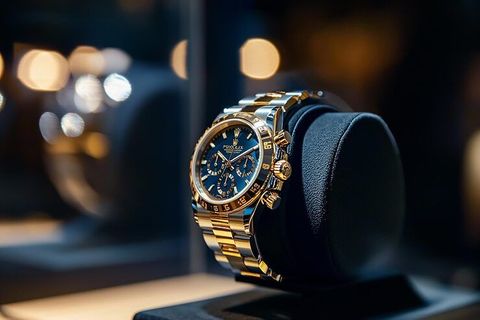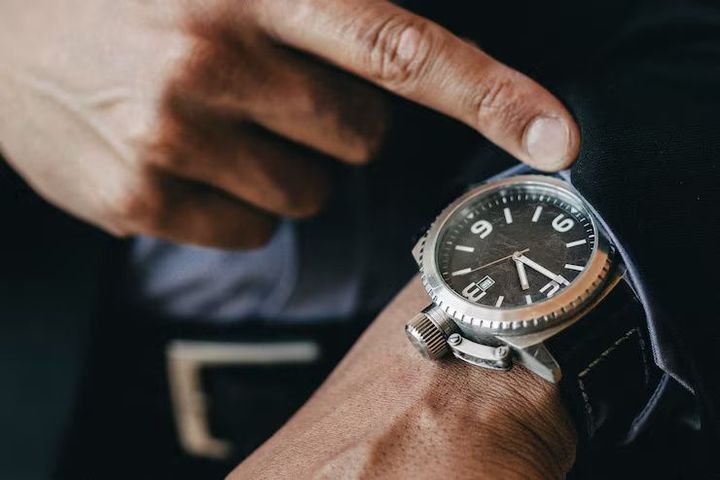
Explore Classic and Modern Luxury Watches
Luxury watches continue to attract attention for their craftsmanship, design, and long history. From traditional mechanical models to modern smart-inspired designs, the watch industry combines engineering, fashion, and personal style. Many people explore luxury watches as collectibles, accessories, or symbols of precision and heritage.
Classic and modern watch styles appeal to different audiences. Some individuals prefer vintage-inspired pieces with traditional movements, while others are interested in advanced materials and modern features. Designer watches are also widely discussed in fashion and lifestyle conversations because of their connection to craftsmanship and global culture.
Context
Luxury watches are high-quality timepieces known for detailed manufacturing, premium materials, and recognizable designs. A watch in this category is often created with careful attention to movement technology, durability, and appearance. Some models are mechanical, while others use quartz technology or hybrid systems.
History of Luxury Watches
The history of luxury watches dates back several centuries. Early portable clocks gradually evolved into wristwatches during the late nineteenth and early twentieth centuries. Over time, watchmakers introduced new innovations such as automatic winding systems, water resistance, and chronograph functions.
Many luxury watches for men became associated with aviation, sports, diving, and formal wear. At the same time, luxury watches for woman expanded in popularity through jewelry-inspired designs and smaller case styles. Today, watch collections include both traditional and contemporary designs for a wide range of preferences.
Modern Watch Culture
Modern watch culture includes collectors, enthusiasts, and first-time users interested in craftsmanship and style. Social media, online forums, and digital marketplaces have increased awareness about designer watches and limited-edition models.
Terms such as luxurywatchsupply are also commonly associated with online discussions about watch accessories, storage, authentication, and market trends. As technology develops, watch brands continue balancing traditional craftsmanship with modern innovation.
Importance
Luxury watches matter for several reasons beyond simply telling time. They often represent heritage, engineering expertise, and personal expression. The watch industry also supports manufacturing, design, retail, and restoration sectors around the world.
For collectors, a luxury sports watch may represent technical achievement and long-term craftsmanship. Sports-oriented models are often designed with features such as water resistance, durable materials, and timing functions. Formal designer watches, on the other hand, may focus more on elegant design and fine finishing.
Luxury watches also affect industries connected to fashion and jewelry. Events, exhibitions, and watch fairs attract international attention and influence trends across the global accessory market.
Who Is Interested in Luxury Watches?
Different groups explore luxury watches for different reasons:
- Collectors interested in mechanical craftsmanship
- Fashion enthusiasts following designer watches trends
- Professionals looking for formal accessories
- Sports enthusiasts interested in durable watch designs
- Historians and hobbyists researching vintage models
Luxury watches for woman have also gained wider recognition due to expanding case sizes, modern materials, and diverse styling options. Many modern collections are now designed with broader aesthetic preferences rather than traditional gender categories.
Recent Updates
Between 2024 and 2026, several developments influenced the luxury watch industry. Watchmakers continued focusing on sustainability, digital visibility, and material innovation.
One major trend involves environmentally conscious manufacturing. Some brands introduced recycled metals, responsibly sourced materials, and eco-friendly packaging. These developments reflect wider sustainability discussions across the fashion and accessories industries.
Another important trend is the growing popularity of integrated bracelet designs in luxury sports watch collections. These models combine sporty aesthetics with everyday versatility. Lightweight titanium cases and ceramic materials have also become more common in recent releases.
The rise of digital authentication systems is another major update. Brands and collectors increasingly use blockchain records, serial verification systems, and digital certificates to confirm authenticity. This helps reduce concerns related to counterfeit products in the secondary watch market.
The following table highlights several recent industry developments:
| Trend | Description | Industry Impact |
|---|---|---|
| Sustainable Materials | Increased use of recycled metals and eco-friendly packaging | Supports environmental initiatives |
| Digital Authentication | Verification through digital certificates and blockchain | Improves transparency |
| Vintage Inspiration | Modern watches inspired by older models | Expands collector interest |
| Lightweight Materials | Use of titanium and ceramic components | Improves comfort and durability |
| Online Watch Communities | Growth of digital forums and discussions | Expands public awareness |
Another notable development involves renewed interest in smaller case sizes. While oversized watches were popular for many years, many modern collections now feature balanced proportions inspired by classic designs.
Cartiers and other historic watch houses also continue influencing luxury watch trends through heritage-inspired collections and updated versions of archival models. Vintage aesthetics remain highly visible in both formal and sports categories.
Laws or Policies
The luxury watch industry is affected by various laws and policies related to trade, intellectual property, and consumer protection. These regulations vary between countries but often focus on authenticity, material sourcing, and labeling requirements.
Trademark protection is especially important for designer watches. Watch companies register logos, names, and design elements to protect their intellectual property. Governments and customs agencies in many regions monitor counterfeit watch distribution.
Consumer Protection Rules
Consumer protection laws may require businesses to provide accurate information about materials, movement types, and manufacturing details. Regulations related to advertising and product descriptions are also important in the watch industry.
Some countries require disclosures regarding precious metals, gemstones, and country-of-origin labeling. These standards help consumers better understand watch specifications and manufacturing practices.
Environmental and Trade Policies
Environmental regulations increasingly affect watch manufacturing. Companies may need to follow standards related to waste management, packaging materials, and responsible sourcing practices.
International trade policies can also influence watch imports and exports. Tariffs, customs regulations, and certification requirements may affect global distribution channels for luxury watches.
Several organizations contribute to industry oversight and standards:
- Customs authorities monitoring counterfeit goods
- Intellectual property agencies protecting trademarks
- Environmental agencies regulating manufacturing practices
- Consumer protection agencies reviewing product claims
These policies help maintain transparency and accountability within the global watch industry.
Tools and Resources
People researching luxury watches often use digital resources to compare designs, learn about movements, and study watch history. Educational platforms and tracking tools have become increasingly popular among enthusiasts.
Below are several useful categories of tools and resources commonly discussed in the watch community.
Watch Databases
Online watch databases provide information about production years, movement details, case materials, and historical references. These databases help users identify vintage and modern watch models.
Useful features often include:
- Movement specifications
- Case dimensions
- Historical timelines
- Serial number references
- Market trend summaries
Authentication and Tracking Platforms
Authentication tools are increasingly important due to the growth of digital watch marketplaces. Some platforms help users review serial numbers and documentation records.
Digital tracking systems may include:
- Ownership records
- Digital certificates
- Maintenance history
- Warranty documentation
Educational Resources
Watch enthusiasts frequently use educational resources to understand watch terminology and mechanics. Topics commonly covered include:
- Automatic movements
- Quartz technology
- Chronograph functions
- Water resistance ratings
- Watch servicing basics
Luxurywatchsupply discussions also commonly include storage cases, watch winders, and maintenance accessories that help preserve mechanical watches over time.
FAQs
What makes luxury watches different from standard watches?
Luxury watches are generally associated with higher-quality materials, detailed craftsmanship, and advanced mechanical engineering. They may also include hand-finished components and heritage-inspired designs.
Why are luxury sports watch models popular?
A luxury sports watch often combines durability with elegant styling. Many people appreciate their versatility for both casual and formal settings.
Are designer watches only fashion accessories?
Designer watches can serve both functional and artistic purposes. Some focus heavily on aesthetics, while others emphasize precision engineering and mechanical complexity.
Why are vintage-inspired watches trending again?
Vintage-inspired watches reflect historical designs that many collectors and enthusiasts appreciate. Smaller case sizes and classic dial layouts have become increasingly popular between 2024 and 2026.
Do luxury watches for woman differ from other collections?
Luxury watches for woman may include different case sizes, materials, and decorative elements. However, many modern collections now focus on versatile designs suitable for a broad audience.
Conclusion
Luxury watches remain an important part of global fashion, craftsmanship, and engineering culture. From classic mechanical designs to modern sports-inspired models, the watch industry continues evolving through innovation and heritage. Recent developments between 2024 and 2026 show increased attention toward sustainability, digital authentication, and vintage-inspired aesthetics.
Designer watches continue attracting collectors, professionals, and enthusiasts interested in both functionality and craftsmanship. As regulations and technology evolve, the luxury watch industry is expected to maintain its influence across fashion, manufacturing, and global accessory markets.