Explore the World of Perfume and Fragrances
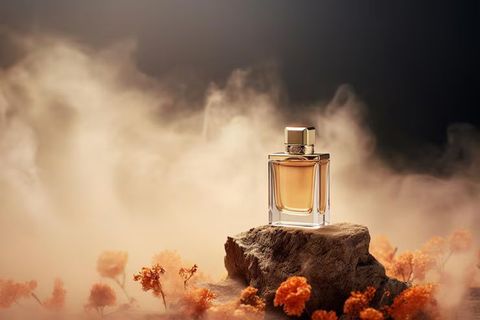
Perfume and fragrance products have been part of human culture for thousands of years. From ancient civilizations that used scented oils to modern fragrance houses that create complex scent compositions, perfume continues to play an important role in personal expression and daily routines. Today, people use perfume not only for pleasant scents but also to reflect personality, mood, and style.
The global fragrance industry has evolved significantly with advances in ingredient technology, sustainability initiatives, and changing consumer preferences. Whether someone is searching for a luxury perfume for special occasions or the best perfume for everyday use, understanding fragrances can help them make informed choices and appreciate the artistry behind scent creation.
Context
Perfume is a mixture of aromatic compounds, essential oils, and fragrance ingredients designed to produce a pleasant scent. The term fragrance is broader and can refer to any scented product, including perfumes, body sprays, lotions, candles, and household items.
The history of perfume dates back thousands of years to ancient Egypt, Mesopotamia, and Rome. Early fragrances were often made from flowers, herbs, spices, and resins. Over time, advances in chemistry allowed manufacturers to create synthetic fragrance ingredients that expanded the range of possible scents.
Types of Perfume Concentrations
Different perfume products contain varying amounts of fragrance oil:
| Type | Fragrance Oil Concentration | Typical Duration |
|---|---|---|
| Parfum | 20%–40% | 8–12 hours |
| Eau de Parfum | 15%–20% | 6–8 hours |
| Eau de Toilette | 5%–15% | 3–6 hours |
| Eau de Cologne | 2%–5% | 2–4 hours |
A fragrance is typically structured around three layers:
- Top notes: The initial scent detected after application
- Middle notes: The core scent that develops afterward
- Base notes: The lasting scent that remains for several hours
Importance
Perfume plays a role in personal grooming, social interactions, and cultural traditions. Scents can influence perception, memory, and emotional responses.
Many individuals use fragrance as part of their daily routine because scent can contribute to confidence and self-expression. Businesses in fashion, cosmetics, hospitality, and wellness are also affected by fragrance trends and consumer preferences.
Luxury perfume products often attract attention due to their unique formulations, premium ingredients, and artistic presentation. At the same time, many consumers seek the best perfume based on factors such as scent profile, longevity, and suitability for different occasions.
The fragrance industry also supports sectors such as:
- Agriculture and flower cultivation
- Chemical manufacturing
- Packaging and design
- Retail and e-commerce
- Research and product development
Recent Updates
Between 2024 and 2026, several trends have influenced the perfume and fragrance industry.
Sustainability and Ingredient Transparency
Consumers increasingly seek information about fragrance ingredients, sourcing methods, and environmental impact. Many manufacturers now emphasize responsible sourcing and sustainable packaging practices.
Personalized Fragrances
Advances in digital technology have contributed to personalized fragrance recommendations. Online tools and artificial intelligence systems help consumers identify scents that match their preferences.
Other notable developments include:
- Growth of gender-neutral fragrances
- Increased interest in niche perfume brands
- Greater use of recyclable packaging materials
- Expansion of fragrance discovery platforms
- Improved digital fragrance consultation experiences
Natural-inspired scent profiles, including floral, woody, citrus, and aromatic compositions, have remained popular across global markets.
Laws or Policies
Perfume and fragrance products are subject to regulations designed to protect consumer health and ensure product safety.
Regulatory requirements vary by country and region, but common areas of oversight include:
| Regulatory Area | Purpose |
| Ingredient Safety | Evaluates potential health risks |
| Product Labeling | Provides ingredient and usage information |
| Allergen Disclosure | Identifies ingredients that may cause reactions |
| Manufacturing Standards | Maintains quality and consistency |
| Environmental Compliance | Addresses sustainability and waste management |
In many regions, fragrance manufacturers must follow standards established by industry organizations and government agencies. These rules help ensure that ingredients meet safety requirements before products reach consumers.
International trade regulations may also affect perfume imports and exports, particularly when products contain alcohol or restricted chemical substances.
Consumers are encouraged to review product labels and usage instructions, especially if they have known sensitivities to fragrance ingredients.
Tools and Resources
Several online resources can help individuals learn more about perfume and fragrance products.
| Resource Type | Purpose |
| Fragrance Databases | Explore scent notes and compositions |
| Ingredient Libraries | Research fragrance materials |
| Regulatory Websites | Review safety guidelines |
| Industry Publications | Follow fragrance trends |
| Brand Information Pages | Learn about product development |
Useful activities include:
- Comparing fragrance note families
- Tracking personal scent preferences
- Learning about ingredient origins
- Understanding concentration levels
- Exploring fragrance history and culture
Educational resources can help consumers distinguish between different fragrance categories and make informed decisions based on personal preferences rather than marketing claims.
FAQs
What is the difference between perfume and fragrance?
Perfume is a specific type of fragrance product with a defined concentration of aromatic ingredients. Fragrance is a broader term that includes many scented products.
How long does perfume typically last?
The duration depends on the concentration, ingredients, skin type, and environmental conditions. Higher concentrations generally last longer.
What makes a luxury perfume different?
Luxury perfume products often use distinctive ingredient combinations, detailed craftsmanship, premium packaging, and unique scent development techniques.
How should perfume be stored?
Perfume should be kept in a cool, dry place away from direct sunlight and extreme temperatures to help maintain its quality.
How can someone choose the best perfume?
The best perfume varies by individual preference. Factors such as scent family, longevity, occasion, and personal taste should be considered.
Conclusion
Perfume and fragrance products have a long history and continue to influence personal care, fashion, and lifestyle choices around the world. Understanding fragrance concentrations, scent structures, and industry developments can help consumers appreciate the complexity of modern perfumes. Recent trends such as sustainability, personalization, and ingredient transparency are shaping the future of the fragrance market. Whether exploring a luxury perfume collection or searching for the best perfume for everyday use, informed knowledge supports better decision-making and a deeper appreciation of scent.