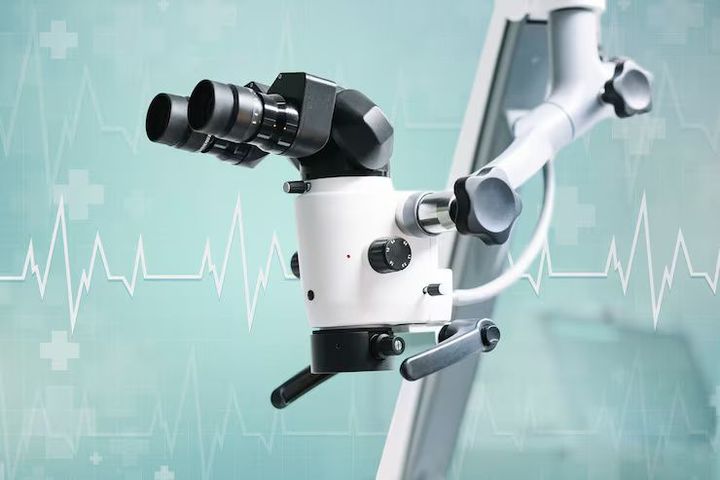
Surgical Robotics: Benefits and Industry Insights
Surgical robotics has become one of the most significant advancements in modern healthcare. Over the past two decades, robotic-assisted procedures have transformed how surgeons perform complex operations, helping improve precision, consistency, and patient outcomes.
As healthcare technology continues to evolve, surgical robotics is becoming an important part of operating rooms across the world. Hospitals, research institutions, and medical technology companies are investing heavily in robotic surgery platforms, artificial intelligence integration, and advanced imaging systems.
Understanding how surgical robotics works and why it matters can help healthcare professionals, students, and technology enthusiasts stay informed about one of the fastest-growing segments of medical innovation.
Understanding Surgical Robotics
Surgical robotics refers to robotic systems that assist surgeons during medical procedures. These systems do not replace surgeons. Instead, they provide enhanced control, precision, and visualization during operations.
A typical robotic surgery system includes:
- A surgeon console
- Robotic arms equipped with surgical instruments
- Advanced imaging and visualization technology
- Specialized software for movement control
The surgeon remains in full control throughout the procedure while the robotic system translates hand movements into highly precise actions.
This combination of human expertise and advanced technology has led to significant improvements in many surgical specialties.
How Robotic-Assisted Surgery Works
Advanced Visualization
Most robotic platforms provide high-definition 3D imaging of the surgical area. This allows surgeons to view anatomical structures with exceptional clarity.
Enhanced visualization helps identify tissues, blood vessels, and critical structures more accurately than traditional methods.
Precision Instrument Control
Robotic instruments can perform highly controlled movements that exceed the range of the human wrist. This flexibility allows surgeons to operate in confined spaces with greater accuracy.
Motion Scaling Technology
Motion scaling converts larger hand movements into smaller, more precise instrument actions. This feature is especially valuable during delicate surgical procedures.
Tremor Reduction
Natural hand tremors can be minimized through robotic systems, helping improve surgical consistency and precision.
Key Benefits of Surgical Robotics
Improved Surgical Precision
One of the primary advantages of surgical robotics is enhanced accuracy. Robotic systems enable surgeons to perform delicate procedures with exceptional control.
This precision can help reduce unintended tissue damage and improve overall surgical outcomes.
Minimally Invasive Procedures
Many robotic surgeries use smaller incisions compared to traditional open surgery.
Benefits of minimally invasive surgery often include:
- Reduced blood loss
- Lower risk of complications
- Shorter hospital stays
- Faster recovery periods
- Less post-operative discomfort
These advantages contribute to improved patient experiences and healthcare efficiency.
Better Visualization During Surgery
Advanced imaging technologies provide surgeons with magnified views of the surgical field.
Improved visibility supports more informed decision-making throughout procedures and may enhance procedural accuracy.
Increased Consistency
Robotic-assisted surgery can help standardize certain aspects of surgical performance. This consistency is particularly valuable in complex procedures requiring high levels of precision.
Medical Specialties Using Surgical Robotics
Urology
Urology remains one of the most common areas for robotic-assisted procedures. Surgeons frequently use robotic systems for prostate and kidney surgeries.
Gynecology
Robotic technology is widely applied in gynecological procedures involving the uterus, ovaries, and reproductive organs.
General Surgery
Various abdominal and digestive system procedures now utilize robotic platforms to support minimally invasive approaches.
Cardiothoracic Surgery
Heart and chest surgeries increasingly benefit from robotic-assisted techniques that allow precise instrument manipulation in confined anatomical spaces.
Orthopedic Surgery
Advanced robotic guidance systems help improve alignment and precision during joint-related procedures.
The Role of Artificial Intelligence in Surgical Robotics
Artificial intelligence is becoming an important component of next-generation surgical robotics.
AI-powered technologies can assist with:
- Surgical planning
- Image analysis
- Procedure guidance
- Workflow optimization
- Performance analytics
Machine learning algorithms can analyze large volumes of surgical data to identify patterns and support clinical decision-making.
As AI capabilities continue to mature, healthcare experts expect deeper integration between intelligent software and robotic surgery platforms.
Industry Growth and Market Trends
The global surgical robotics sector continues to experience strong growth driven by technological innovation and increasing healthcare investments.
Several factors contribute to industry expansion:
- Rising demand for minimally invasive procedures
- Growth in aging populations
- Increased adoption of digital healthcare solutions
- Advancements in robotic engineering
- Expansion of AI-powered medical technologies
Industry analysts consistently identify medical robotics as one of the most dynamic segments within healthcare technology.
Research and development activities remain strong as companies focus on enhancing surgical precision, automation capabilities, and data-driven decision support systems.
Emerging Innovations in Surgical Robotics
Enhanced Imaging Systems
Future robotic platforms are expected to integrate advanced imaging technologies, including augmented reality and real-time anatomical mapping.
Remote Surgical Collaboration
Telecommunication advancements may support remote collaboration between surgical teams located in different regions.
Smarter Data Analytics
Data-driven insights can help improve surgical planning, monitor performance, and support quality improvement initiatives.
Next-Generation Instrument Design
Engineers continue developing smaller, more flexible robotic instruments capable of accessing challenging anatomical areas.
These innovations may expand the range of procedures suitable for robotic-assisted approaches.
Challenges and Considerations
Despite its advantages, surgical robotics faces several challenges.
Healthcare organizations must consider:
- Technology integration requirements
- Clinical training needs
- Workflow adaptation
- Equipment maintenance
- Regulatory compliance
Successful implementation depends on proper planning, ongoing education, and continuous evaluation of clinical outcomes.
Healthcare professionals must also stay updated on evolving best practices and technological developments within the field.
The Future of Surgical Robotics
The future of surgical robotics appears highly promising. Advances in artificial intelligence, machine learning, computer vision, and medical imaging are expected to drive continued innovation.
Experts anticipate that future systems will become more intelligent, data-driven, and adaptable to a wider range of procedures.
As robotic surgery technology matures, healthcare providers may benefit from enhanced precision, improved efficiency, and better patient outcomes. The combination of human expertise and advanced robotics is likely to play an increasingly important role in modern medicine.
Conclusion
Surgical robotics represents a major advancement in healthcare technology. By combining surgeon expertise with precision engineering, advanced imaging, and intelligent software, robotic-assisted surgery continues to improve procedural accuracy and support minimally invasive approaches.