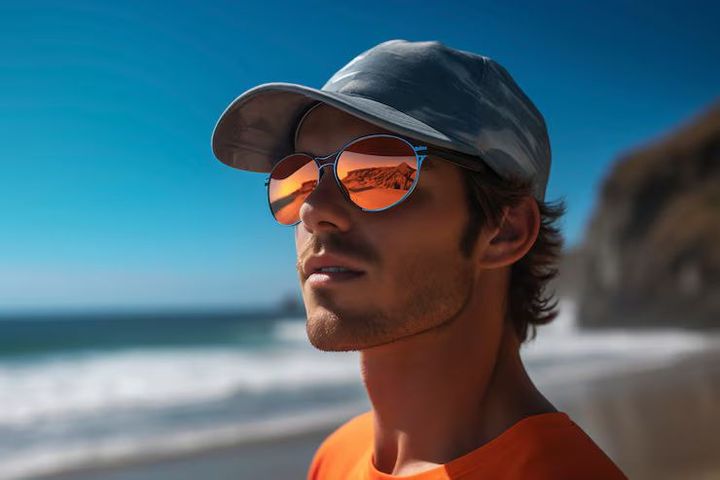
Sunglass & Sports Eyewear Coating Technology Guide
Sunglass and sports eyewear coating technology refers to the special protective layers added to lenses to improve visual clarity, durability, and eye safety. These coatings are designed to help users see more comfortably in different environments such as bright sunlight, dusty roads, sports fields, snowy areas, and digital screen settings.
Eyewear coatings exist because ordinary lenses can face many problems during outdoor use. Bright sunlight may create glare, moisture can cause fogging, and regular wear may leave scratches on the lens surface. Sports activities can also expose eyewear to sweat, dust, rain, and rapid temperature changes. Coating technology was developed to solve these issues while improving overall lens performance.
Modern sports eyewear often includes multiple coating layers combined into a single lens system. These may include anti-reflective coatings, hydrophobic layers, mirror finishes, UV protection coatings, and scratch-resistant surfaces. Each coating has a specific function that improves visibility and comfort during movement or outdoor exposure.
The growth of outdoor recreation, cycling, running, skiing, cricket, driving, and fitness activities has increased interest in advanced eyewear technologies. People today also spend more time under strong sunlight and digital screens, creating additional demand for eye protection and glare reduction solutions.
Why Eyewear Coating Technology Matters Today
Eyewear coatings have become increasingly important because environmental conditions and lifestyle habits are changing rapidly. Many people now participate in outdoor sports, adventure activities, and extended driving, all of which expose the eyes to sunlight, dust, and harmful ultraviolet rays.
Sports professionals and fitness enthusiasts rely on coated lenses for better visibility and comfort. Cyclists may need anti-fog coatings during humid weather, while runners often benefit from glare reduction technologies. Water sports participants also use polarized coatings to reduce sunlight reflection from surfaces like water and roads.
The following table highlights common coating technologies and their primary uses.
| Coating Type | Main Purpose | Common Usage |
|---|---|---|
| Anti-Reflective Coating | Reduces glare and reflections | Driving, sports, daily wear |
| Scratch-Resistant Coating | Improves lens durability | Outdoor activities |
| UV Protection Coating | Blocks harmful UV rays | Sunlight exposure |
| Hydrophobic Coating | Repels water and sweat | Cycling, running |
| Anti-Fog Coating | Prevents lens fogging | Winter sports, helmets |
| Mirror Coating | Reduces brightness | Snow sports, beach activities |
One major reason this technology matters today is eye health awareness. Research discussions in recent years have increased public attention toward UV exposure and long-term vision protection. Prolonged exposure to ultraviolet radiation may contribute to discomfort and vision-related concerns over time.
Another important factor is performance optimization. In competitive sports, even small improvements in visibility can affect reaction time and focus. Lens coatings help reduce distractions caused by reflections, smudges, or changing light conditions.
Digital lifestyles also contribute to the importance of eyewear coatings. Some modern lenses now include blue-light filtering technologies designed to reduce visual strain associated with long screen exposure. Although research on blue-light effects continues, consumer demand for digital eye comfort remains strong.
Recent Updates in Eyewear Coating Technology
Eyewear coating technology has experienced several developments during the past year. Manufacturers and material researchers have focused on sustainability, smart coatings, and lightweight lens systems.
In 2025, one growing trend involved environmentally conscious lens production. Some companies introduced coating methods designed to reduce chemical waste and improve manufacturing efficiency. Sustainable materials and recyclable lens components have become a topic of interest within the eyewear industry.
Nanotechnology-based coatings also gained attention during 2025. These advanced coatings use microscopic structures to improve resistance against water, dust, fingerprints, and scratches. Nano-coated sports lenses are increasingly used in cycling, skiing, and outdoor training environments because they can maintain clearer vision during changing weather conditions.
Another trend involves adaptive lens technologies. Some sports eyewear products now feature coatings that respond to sunlight intensity by adjusting lens darkness automatically. These photochromic systems are particularly useful for runners and cyclists moving between shaded and bright environments.
The graph below shows the growing focus areas in modern eyewear coating development.
| Technology Trend | Industry Focus Growth |
|---|---|
| UV Protection | High |
| Anti-Fog Systems | Moderate |
| Sustainable Coatings | High |
| Nano-Coating Research | High |
| Smart Adaptive Lenses | Moderate |
| Blue-Light Filtering | Moderate |
Sports eyewear manufacturers have also improved ventilation-compatible anti-fog coatings. During late 2025 and early 2026, several sports technology reports highlighted increasing demand for anti-fog solutions in helmets and performance eyewear used in cycling, skiing, and industrial sports environments.
Another recent update involves AI-supported lens testing systems. Some research facilities now use artificial intelligence tools to analyze glare reduction, optical clarity, and durability during product testing stages. This may improve consistency and quality control in future lens development.
Laws and Policies Related to Eyewear Technology
Eyewear products are affected by safety standards and regulations in many countries. These rules help ensure lenses provide adequate protection and optical quality for consumers.
In the United States, sports eyewear and sunglasses may need to comply with standards established by organizations focused on eye safety and impact resistance. Protective eyewear used in sports activities often follows specific testing requirements related to durability and lens strength.
European countries generally follow CE marking standards for eyewear products. These regulations help confirm that lenses meet health, safety, and environmental protection requirements before entering the market.
In India, eyewear products may be influenced by quality guidelines associated with consumer safety and optical standards. Import regulations and product labeling practices also affect lens manufacturing and distribution.
UV protection claims are another area influenced by regulations. Many countries require eyewear manufacturers to follow accurate labeling standards when describing ultraviolet protection levels. This helps prevent misleading health-related claims.
Environmental regulations are also becoming more relevant. As sustainability discussions continue globally, lens manufacturers are exploring coating technologies that reduce chemical emissions and industrial waste during production.
The table below summarizes major policy areas connected to eyewear coating technology.
| Policy Area | Purpose |
|---|---|
| UV Protection Standards | Eye safety and radiation protection |
| Impact Resistance Testing | Sports and industrial safety |
| Product Labeling Rules | Consumer transparency |
| Chemical Manufacturing Rules | Environmental protection |
| Import and Quality Regulations | Product consistency |
These policies play an important role in maintaining product reliability and user confidence in sports and outdoor eyewear.
Helpful Tools and Resources for Eyewear Technology
People interested in eyewear coating technology can use several tools and educational resources to better understand lens performance and eye protection.
Lens Comparison Tools
Online comparison tools help users understand differences between anti-glare, polarized, photochromic, and mirrored lens technologies. These tools often explain coating benefits under different environmental conditions.
UV Index Monitoring Platforms
UV index applications and weather monitoring resources can help outdoor athletes track sunlight intensity before participating in activities like cycling, cricket, running, or hiking.
Digital Eye Comfort Calculators
Some online resources estimate recommended screen breaks and visual comfort strategies for individuals using digital devices for long periods.
Sports Vision Training Platforms
Athletes sometimes use vision-training software designed to improve reaction time, depth perception, and focus under changing light conditions.
Educational Research Databases
Optical science journals and educational databases provide information about lens materials, nano-coating technologies, and recent eyewear innovations.
Maintenance Guides and Cleaning Templates
Lens care templates help users understand safe cleaning methods that reduce coating damage and maintain lens clarity over time.
Frequently Asked Questions
What is the main purpose of eyewear coatings?
Eyewear coatings improve lens performance by reducing glare, blocking UV rays, resisting scratches, preventing fogging, and increasing visual comfort during outdoor or sports activities.
Are polarized coatings useful for sports activities?
Polarized coatings help reduce reflections from surfaces like roads and water. They are commonly used for driving, fishing, cycling, and outdoor sports where glare reduction improves visibility.
How do anti-fog coatings work?
Anti-fog coatings reduce moisture buildup on the lens surface. They help maintain clear vision during humid weather, temperature changes, or high-intensity physical activity.
Why is UV protection important in sunglasses?
UV protection helps reduce exposure to ultraviolet radiation from sunlight. Long-term UV exposure may affect eye comfort and overall eye health.
Do lens coatings require special maintenance?
Yes. Coated lenses should be cleaned with microfiber cloths and non-abrasive cleaning solutions. Rough materials and harsh chemicals may damage coating layers over time.
Conclusion
Sunglass and sports eyewear coating technology has become an important part of modern eye protection and outdoor performance. These advanced coatings improve visibility, reduce glare, support durability, and help users adapt to changing environmental conditions.
As outdoor sports, digital lifestyles, and environmental awareness continue to grow, eyewear technology is also evolving rapidly. Recent developments in nano-coatings, sustainable manufacturing, adaptive lenses, and anti-fog systems show how the industry is focusing on both comfort and performance.