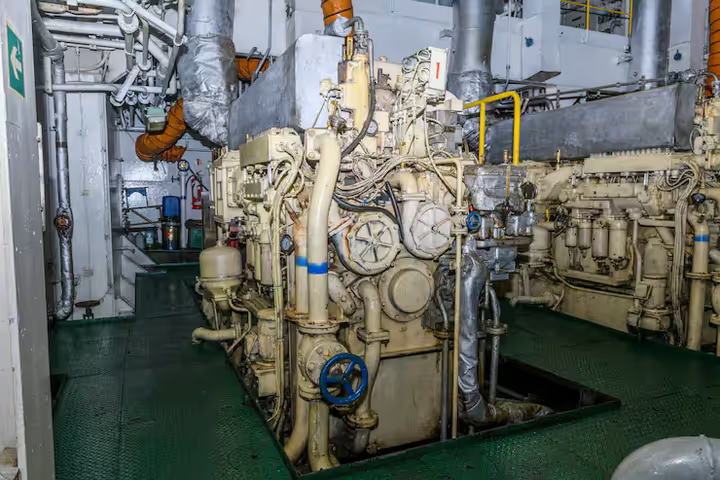
Steam Condensate Pumps: Knowledge for Reliable Steam System Operation
Steam condensate pumps play a vital role in industrial steam systems by collecting and transporting condensed steam, known as condensate, back to the boiler or another designated location. Instead of allowing valuable heated water to go to waste, these pumps help recover thermal energy and water, improving the overall efficiency of steam-based processes.
Steam is widely used in manufacturing, chemical processing, food production, pharmaceuticals, textile manufacturing, paper mills, power generation, and many other industries. As steam releases its heat, it changes back into water. Steam condensate pumps move this hot condensate safely through the system, allowing it to be reused.
Efficient condensate recovery contributes to lower energy consumption, improved equipment performance, reduced water usage, and longer operating life for steam systems.
Steam Condensate Pump Working Principle
A steam condensate pump transfers hot condensate from low-pressure areas to higher-pressure return lines or boiler feed systems.
The basic operating sequence includes:
- Steam releases heat inside process equipment.
- Steam condenses into hot water.
- Condensate collects inside a receiver tank.
- A float or level sensor detects rising liquid.
- The pump activates automatically.
- Condensate is discharged into the return system.
- The receiver refills, and the cycle repeats.
Some condensate pumps use electric motors, while others operate using compressed air or steam pressure without requiring electrical power.
Main Components of Steam Condensate Pumps
| Component | Purpose |
|---|---|
| Receiver Tank | Collects condensate before pumping |
| Pump Assembly | Moves condensate through the piping system |
| Float Mechanism | Detects liquid level |
| Check Valve | Prevents reverse flow |
| Isolation Valves | Simplify maintenance |
| Discharge Line | Carries condensate to its destination |
| Pressure Controls | Regulate operating pressure |
| Motor or Steam Mechanism | Provides pumping power |
Importance of Steam Condensate Pumps
Recovering condensate provides several operational and environmental benefits.
Key Benefits
- Improves boiler efficiency
- Reduces energy consumption
- Conserves treated boiler water
- Minimizes thermal losses
- Reduces fuel usage
- Helps stabilize boiler operation
- Extends equipment lifespan
- Lowers maintenance requirements
- Supports sustainable industrial operations
- Improves process reliability
Industries often consider condensate recovery an essential part of modern energy management strategies.
Types of Steam Condensate Pumps
Different systems require different pump designs depending on pressure, temperature, and application.
Electric Condensate Pumps
- Powered by electric motors
- Common in commercial buildings
- Suitable for medium-pressure systems
- Easy to automate
Mechanical Condensate Pumps
- Operate without electricity
- Use steam or compressed air
- Suitable for hazardous environments
- Reliable during power interruptions
Pressure-Powered Pumps
- Operate using steam pressure
- Ideal where electrical equipment is restricted
- Handle flash steam effectively
- Frequently used in industrial plants
Duplex Pump Systems
- Include two pumps
- Alternate operation for improved reliability
- Maintain continuous operation during maintenance
- Common in large facilities
Common Industrial Applications
Steam condensate pumps are found across numerous industries.
Manufacturing Plants
- Heat treatment
- Industrial cleaning
- Drying processes
- Production equipment
Food Processing
- Sterilization
- Cooking systems
- Steam kettles
- Packaging equipment
Pharmaceutical Manufacturing
- Sterile processing
- Clean steam generation
- Laboratory systems
- Controlled production environments
Chemical Processing
- Reactor heating
- Distillation
- Evaporation
- Process temperature control
Textile Industry
- Fabric drying
- Dyeing equipment
- Steam presses
- Finishing systems
Power Generation
- Boiler systems
- Turbine condensate recovery
- Feedwater systems
- Auxiliary heating
Hospitals and Institutions
- Central heating
- Laundry equipment
- Sterilization units
- Hot water generation
Problems Steam Condensate Pumps Help Solve
Without proper condensate removal, steam systems may experience several operational issues.
Common Problems Prevented
- Water hammer
- Reduced heat transfer
- Equipment corrosion
- Boiler inefficiency
- Steam trapping issues
- Production interruptions
- Excessive water consumption
- Increased fuel usage
- Pressure instability
Reliable condensate pumping helps maintain consistent steam distribution throughout industrial facilities.
Key Features to Consider
Modern condensate pumps are designed for demanding industrial environments.
Important Features
- High-temperature operation
- Corrosion-resistant materials
- Automatic level controls
- Low-maintenance construction
- Compact installation
- High pumping efficiency
- Reliable sealing systems
- Continuous operation capability
- Integrated safety controls
- Compatibility with industrial automation
These features contribute to dependable long-term performance.
Maintenance Best Practices
Routine maintenance improves pump reliability and extends equipment life.
Recommended Maintenance Tasks
- Inspect valves regularly.
- Monitor pump vibration.
- Check motor performance.
- Clean receiver tanks.
- Test float switches.
- Verify discharge pressure.
- Inspect seals and gaskets.
- Lubricate moving components when required.
- Monitor unusual operating sounds.
- Maintain accurate maintenance records.
Preventive maintenance reduces unexpected downtime and improves operational safety.
Recent Industry Developments (2025–2026)
Steam system technology continues to evolve as industries focus on energy efficiency, digital monitoring, and sustainability.
Recent developments include:
- Increased deployment of Industrial Internet of Things (IIoT) sensors for real-time condensate monitoring.
- Smart controllers capable of predictive maintenance using operational data.
- Greater integration with industrial automation platforms for centralized system management.
- Improved corrosion-resistant materials that extend equipment lifespan.
- Variable-speed motor technologies that optimize energy consumption under changing operating conditions.
- Expansion of digital monitoring dashboards for maintenance planning and performance analytics.
- Continued emphasis during 2025–2026 on energy recovery projects aligned with industrial decarbonization initiatives and reduced greenhouse gas emissions.
These innovations help organizations improve operational efficiency while reducing maintenance interruptions.
Standards and Regulations
Steam condensate systems should be designed and maintained according to recognized engineering standards and local regulations.
Commonly referenced standards include:
Relevant Standards
- ASME Boiler and Pressure Vessel Code
- ASME B31.1 Power Piping
- ASME B31.3 Process Piping
- ISO 9001 Quality Management Systems
- ISO 50001 Energy Management Systems
- Occupational safety regulations applicable to industrial facilities
- Local boiler inspection requirements established by national or regional authorities
Following recognized standards supports safe, reliable, and efficient operation.
Useful Tools, Platforms, and Learning Resources
Professionals can expand their understanding using technical resources from recognized organizations.
Helpful Resources
- ASME technical publications
- ISO standards documentation
- Industrial automation training platforms
- Engineering handbooks
- Boiler manufacturer technical manuals
- Pump manufacturer application guides
- Steam engineering reference books
- Condition monitoring software
- Industrial maintenance management platforms
- Engineering webinars and technical conferences
These resources provide valuable guidance for engineers, maintenance personnel, and facility managers.
Selecting the Right Steam Condensate Pump
Choosing an appropriate pump depends on multiple engineering considerations rather than a single specification.
Factors to Evaluate
- Condensate flow rate
- Operating temperature
- System pressure
- Pump head requirements
- Available installation space
- Fluid characteristics
- Energy efficiency
- Maintenance accessibility
- Automation compatibility
- Long-term reliability
A comprehensive system assessment helps ensure optimal performance throughout the equipment lifecycle.
Frequently Asked Questions
What is a steam condensate pump?
A steam condensate pump transfers condensed steam back into the boiler or another collection point, allowing hot water and thermal energy to be recovered instead of discarded.
How is a condensate pump different from a boiler feed pump?
A condensate pump primarily transports recovered condensate, while a boiler feed pump supplies treated water directly into the boiler under higher pressure.
Can steam condensate pumps handle high-temperature water?
Yes. Industrial condensate pumps are specifically designed to operate with hot condensate and are constructed using materials suitable for elevated temperatures.
Why is condensate recovery important?
Recovering condensate conserves treated water, improves energy efficiency, reduces fuel consumption, minimizes waste, and enhances overall steam system performance.
How often should condensate pumps be inspected?
Inspection frequency depends on operating conditions, but routine preventive maintenance and periodic performance checks help ensure reliable operation and reduce unexpected failures.
Conclusion
Steam condensate pumps are essential components of efficient industrial steam systems. By recovering hot condensate and returning it for reuse, these pumps improve energy efficiency, conserve valuable water resources, reduce operating losses, and enhance the reliability of steam-based processes. Modern designs incorporate advanced automation, predictive monitoring, and durable materials that support continuous industrial operation.
As industries continue to prioritize sustainability, digital monitoring, and efficient resource management throughout 2025 and 2026, steam condensate pumps remain an important technology for maintaining dependable and high-performing steam infrastructure. Proper equipment selection, regular maintenance, and adherence to recognized engineering standards help ensure long-term operational success across a wide range of industrial applications.