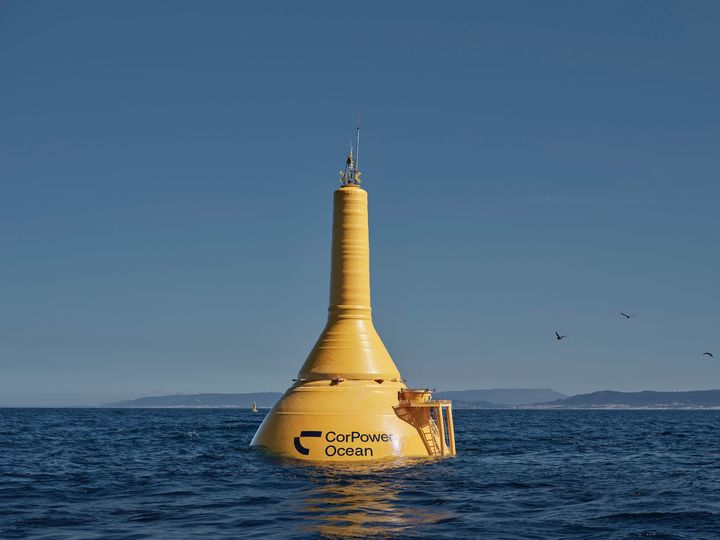
Ocean Wave Energy Converters: Knowledge for Clean Ocean Power Generation
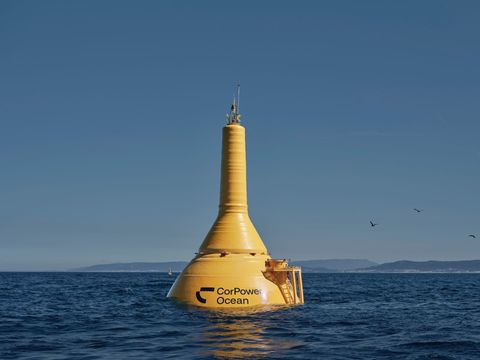
Ocean Wave Energy Converters (WECs) are specialized technologies designed to capture the natural movement of ocean waves and transform that energy into electricity. Unlike fossil fuel-based power generation, wave energy relies on the continuous motion of seawater created by wind, making it a renewable and environmentally responsible source of electricity.
Wave energy represents one of the largest untapped renewable energy resources available worldwide. Coastal regions with strong and consistent wave activity have significant potential to generate electricity while reducing dependence on conventional energy sources.
As countries continue expanding renewable energy portfolios, ocean wave energy converters are receiving increased attention for their ability to complement wind, solar, and hydroelectric power systems.
How Ocean Wave Energy Converters Work
Ocean waves contain kinetic and potential energy generated by wind traveling across the sea surface. Wave energy converters capture this motion and convert it into usable electrical energy.
The basic process includes:
- Ocean waves move the floating or fixed device.
- Mechanical components transform wave motion into rotational or linear movement.
- A generator converts mechanical energy into electricity.
- Electrical systems condition the generated power.
- Electricity is transmitted to the power grid through underwater cables.
Depending on the technology used, converters may operate above the water surface, partially submerged, or completely underwater.
Main Types of Ocean Wave Energy Converters
| Converter Type | Operating Principle | Typical Installation | Common Applications |
|---|---|---|---|
| Point Absorber | Captures vertical wave movement | Offshore | Utility-scale electricity generation |
| Oscillating Water Column | Uses compressed air to drive turbines | Shoreline or offshore | Coastal renewable power |
| Attenuator | Long floating structure follows wave direction | Offshore | Large marine energy projects |
| Oscillating Wave Surge Converter | Uses horizontal wave movement | Nearshore seabed | Coastal electricity generation |
| Overtopping Device | Collects elevated seawater into reservoirs | Offshore | Continuous power generation |
Key Components of a Wave Energy Converter
Modern wave energy systems combine several engineering disciplines, including marine engineering, electrical engineering, and automation.
Main Components
- Floating structure
- Mechanical power conversion system
- Hydraulic system
- Turbine
- Electrical generator
- Power electronics
- Control system
- Anchoring and mooring equipment
- Underwater transmission cables
- Monitoring sensors
These components must withstand harsh marine environments, including saltwater corrosion, storms, and continuous wave forces.
Why Ocean Wave Energy Is Important
Growing global electricity demand has increased interest in renewable energy technologies capable of providing long-term sustainable power.
Ocean wave energy offers several advantages:
Key Benefits
- Renewable energy available throughout the year
- High energy density compared to many renewable resources
- Reduced greenhouse gas emissions
- Predictable wave patterns in many coastal regions
- Supports energy diversification
- Low land usage requirements
- Complements wind and solar energy generation
- Suitable for island and coastal communities
Wave energy can strengthen energy resilience by providing an additional renewable source alongside existing power infrastructure.
Real-World Applications
Ocean wave energy converters are being evaluated and deployed across various industries and coastal environments.
Common Applications
- National electricity generation
- Island power systems
- Remote coastal communities
- Offshore research facilities
- Marine observation stations
- Desalination systems
- Offshore aquaculture facilities
- Hybrid renewable energy installations
- Port infrastructure support
- Environmental monitoring platforms
Many demonstration projects also support scientific research into marine ecosystems and renewable energy technologies.
Problems Wave Energy Converters Help Solve
Although wave energy is still developing commercially, it addresses several important energy challenges.
Challenges Addressed
- Dependence on fossil fuels
- Rising carbon emissions
- Energy supply diversification
- Limited renewable energy options in coastal regions
- Electricity access for isolated islands
- Long-term sustainable power generation
- Improved renewable energy reliability through resource diversity
Wave energy is particularly valuable because ocean waves often continue producing energy when solar generation decreases or wind conditions change.
Features of Modern Ocean Wave Energy Systems
Technological advancements have significantly improved wave energy equipment.
Important Features
- Corrosion-resistant materials
- Smart monitoring systems
- Remote operational control
- Automated performance optimization
- High-strength mooring systems
- Modular construction
- Grid integration capability
- Environmental monitoring sensors
- Predictive maintenance technology
- Improved storm survival design
Many modern systems also incorporate digital monitoring platforms that continuously evaluate equipment performance and environmental conditions.
Recent Developments and Industry Trends
The wave energy sector continued advancing during 2025–2026, with increased collaboration between governments, universities, research organizations, and renewable energy developers.
Recent Trends
- Expansion of pilot-scale ocean energy projects during 2025.
- Improved floating platform stability using advanced composite materials.
- Greater use of artificial intelligence for predictive maintenance and operational optimization.
- Enhanced digital twin technology for equipment simulation and lifecycle management.
- Better corrosion-resistant coatings extending equipment lifespan.
- Increased hybrid renewable projects combining offshore wind and wave energy.
- Continued investment in marine renewable research programs across Europe, Asia-Pacific, and North America.
- Development of standardized testing procedures for commercial-scale wave energy devices.
These developments aim to improve efficiency, reliability, and long-term operational performance.
Environmental Considerations
Wave energy generally produces very low operational emissions, but environmental planning remains important.
Environmental Factors
- Marine habitat protection
- Fish migration assessment
- Noise monitoring
- Navigation safety
- Coastal ecosystem preservation
- Underwater cable management
- Marine biodiversity studies
- Long-term environmental monitoring
Environmental assessments help ensure responsible deployment while minimizing ecological impacts.
Regulations and Policy Framework
Ocean wave energy projects typically operate under marine environmental regulations and renewable energy policies.
Common Regulatory Areas
- Marine environmental impact assessments
- Coastal zone management regulations
- Offshore infrastructure approvals
- Maritime navigation safety requirements
- Grid connection standards
- Renewable energy development policies
- Marine biodiversity protection regulations
- International maritime safety guidelines
Requirements vary between countries, but environmental protection and operational safety remain central priorities.
Useful Tools, Platforms, and Learning Resources
Individuals interested in ocean wave energy can explore educational and technical resources from recognized organizations.
Learning Resources
- International Renewable Energy Agency (IRENA)
- International Energy Agency Ocean Energy Systems (IEA-OES)
- National Renewable Energy Laboratory (NREL)
- Ocean Energy Europe
- U.S. Department of Energy Marine Energy Program
- European Marine Energy Centre (EMEC)
- University marine engineering departments
- Renewable energy research journals
- Ocean engineering publications
- Marine technology conferences
These resources provide research publications, technical reports, educational materials, and project updates.
Current Challenges
Despite significant progress, several engineering challenges remain.
Ongoing Challenges
- Harsh ocean operating conditions
- Equipment durability
- Storm resistance
- Maintenance accessibility
- Grid integration complexity
- Long-term reliability
- Marine corrosion
- Installation logistics
- Standardization across technologies
Researchers continue developing innovative solutions to improve performance and operational efficiency.
Future Outlook
Ocean wave energy is expected to become an increasingly important part of the renewable energy mix over the coming decades.
Continued improvements in materials science, artificial intelligence, robotics, digital monitoring, and offshore engineering are expected to enhance system reliability and energy output. As renewable energy targets expand globally, wave energy may play a larger role in supplying sustainable electricity to coastal regions and supporting integrated offshore energy systems.
What are Ocean Wave Energy Converters?
Ocean Wave Energy Converters are devices that transform the motion of ocean waves into electrical energy using mechanical and electrical conversion systems.
Where are wave energy converters typically installed?
They are commonly installed offshore, nearshore, or along coastlines where wave activity is strong and consistent.
Is wave energy considered renewable?
Yes. Wave energy is renewable because ocean waves are continually generated by wind driven by natural atmospheric processes.
What industries can benefit from wave energy?
Electricity generation, offshore infrastructure, desalination, marine research, aquaculture, and remote coastal communities can all benefit from wave energy technologies.
What technologies are improving modern wave energy systems?
Artificial intelligence, digital twins, advanced composite materials, predictive maintenance, remote monitoring, corrosion-resistant materials, and smart control systems are helping improve efficiency and reliability.
Conclusion
Ocean Wave Energy Converters represent an important advancement in renewable energy technology by transforming the natural movement of ocean waves into electricity. Their ability to provide predictable, low-emission energy makes them a valuable complement to wind, solar, and other renewable resources. Although technical and environmental challenges remain, continued innovation during 2025–2026 has improved system reliability, monitoring, and operational performance. As research, engineering, and supportive renewable energy policies continue to evolve, ocean wave energy is expected to contribute more significantly to sustainable electricity generation while supporting cleaner and more resilient coastal energy systems.