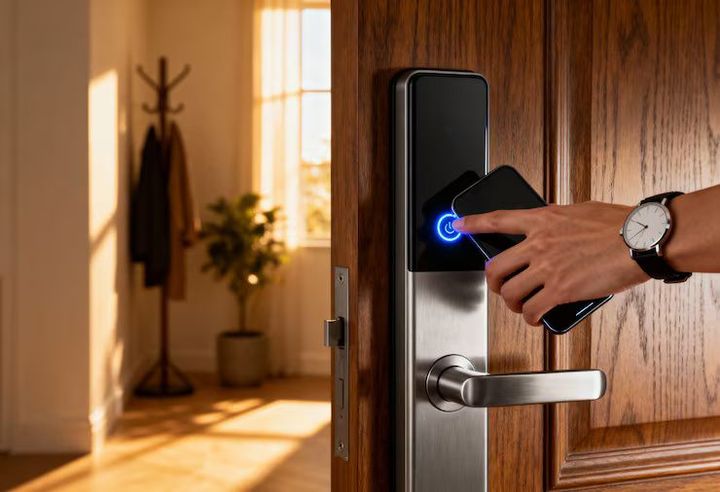
Smart Door Locks: Complete Guide to Features, Security, and Access Control
Smart door locks have transformed the way people secure their homes, apartments, offices, and rental properties.
Unlike traditional locks that rely only on physical keys, smart door locks use digital technologies to provide convenient and controlled entry.
As connected home technology becomes more common, many property owners are exploring smart home security solutions to improve safety and simplify access management. Features such as keyless entry, remote access, mobile app control, and biometric authentication have made smart locks an important part of modern security systems.
This guide explains smart door locks, how they work, their different types, security features, and future developments in access control technology.
Understanding the Concept
A smart door lock is an electronic locking system that allows users to unlock and manage doors using digital methods rather than relying solely on traditional keys.
These locks can operate through:
- PIN codes
- Smartphone control
- Fingerprint recognition
- Bluetooth connectivity
- Wi-Fi connectivity
- RFID cards
- Voice assistant integration
The primary goal of a smart lock is to improve access control while maintaining strong door security.
For example, instead of carrying multiple keys, a homeowner can unlock a door using a mobile device or fingerprint scan. This approach reduces the risk of lost keys and simplifies entry management.
Smart locks are commonly used as part of a broader smart home security system that includes cameras, sensors, alarms, and monitoring devices.
Key Types or Categories
Several types of smart door locks are available for different security requirements.
Keypad Smart Locks
Keypad locks use a numerical code to unlock the door.
Users simply enter a PIN code on the keypad.
Advantages include:
- No physical key required
- Easy access for family members
- Quick code changes
- Suitable for residential properties
Bluetooth Smart Locks
Bluetooth locks connect directly to nearby smartphones.
When an authorized device approaches the door, access can be granted automatically or through manual approval.
These locks are often used in smart home automation environments.
Wi-Fi Smart Locks
Wi-Fi-enabled locks connect to internet networks and allow remote access control.
Users can:
- Lock doors remotely
- Unlock doors remotely
- View activity logs
- Manage user permissions
Remote access control is particularly useful for vacation properties and rental accommodations.
Fingerprint Smart Locks
Biometric door locks use fingerprint recognition technology.
Authorized fingerprints are stored within the lock system and verified before entry.
Benefits include:
- Fast authentication
- Enhanced convenience
- Individual user identification
- Reduced dependence on keys
RFID and Smart Card Locks
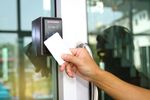
These locks use radio frequency identification cards or key fobs.
Users simply tap the card against the lock reader.
RFID systems are commonly used in:
- Hotels
- Office buildings
- Educational facilities
- Apartment complexes
Important Subsections
Mobile App Integration
Many smart locks work with dedicated mobile applications.
Through an app, users can:
- Monitor lock status
- Receive notifications
- Manage access permissions
- Review entry history
- Control multiple doors
Mobile integration adds convenience and improves property management.
Temporary Access Permissions
Temporary access credentials are useful when visitors require entry.
Examples include:
- House guests
- Maintenance personnel
- Delivery personnel
- Property managers
Access can be granted for specific dates and times, improving security and accountability.
Activity Monitoring
Many electronic door lock systems maintain logs of entry activity.
Users can view:
- Entry times
- Exit times
- Authorized users
- Failed access attempts
This information helps property owners maintain better oversight of access activity.
Voice Control Features
Some smart locks integrate with voice-controlled smart home ecosystems.
Users can perform basic lock management functions through voice commands while maintaining authentication requirements.
How It Works
Smart door locks follow a straightforward process.
Step 1: User Registration
Authorized users are added to the lock system.
This may include:
- PIN codes
- Mobile devices
- Fingerprints
- RFID credentials
The lock stores approved authentication information.
Step 2: Authentication Request
When someone attempts entry, the lock requests verification.
The user may:
- Enter a code
- Use a smartphone
- Scan a fingerprint
- Present an RFID card
Step 3: Verification Process
The lock compares the provided credentials with stored information.
If the credentials match, access is approved.
If verification fails, access remains restricted.
Step 4: Door Unlocking
Once authentication is successful, the electronic mechanism disengages and unlocks the door.
The process usually takes only a few seconds.
Step 5: Activity Recording
Many advanced access control systems record the event.
The system may save:
- Date
- Time
- User identification
- Access method
This information improves monitoring and security management.
Benefits and Advantages
Smart locks provide numerous practical advantages.
Enhanced Security
Advanced authentication methods improve protection compared to traditional key-only systems.
Features such as biometric access and encrypted communication strengthen security.
Keyless Entry Convenience
Users no longer need to carry multiple keys.
Access can be managed through digital credentials.
Improved Access Management
Property owners can control who enters specific areas.
Permissions can be adjusted as needed without replacing physical locks.
Remote Door Control
Wi-Fi-enabled locks allow remote management from virtually any location.
This feature supports better control and flexibility.
User Activity Visibility
Entry records provide valuable information about access patterns and security events.
This visibility helps users monitor property activity.
Smart Home Integration
Smart locks can work alongside:
- Security cameras
- Alarm systems
- Motion sensors
- Smart lighting
- Home automation platforms
This creates a more connected security environment.
Real-World Examples or Applications
Smart door locks are used across many industries and property types.
Residential Homes
Homeowners use smart locks to simplify daily entry and strengthen security.
A parent arriving home with groceries can unlock the door using a smartphone rather than searching for keys.
Apartment Buildings
Property managers use electronic access control systems to manage multiple residents.
Digital credentials can be updated quickly when occupancy changes.
Vacation Properties
Property owners can provide temporary access credentials to guests during specific dates.
Once the stay ends, access permissions automatically expire.
Office Environments
Businesses use smart locks to restrict access to authorized personnel.
Different employees may receive varying levels of access based on responsibilities.
Educational Institutions
Schools and universities use access control systems to secure classrooms, laboratories, and administrative areas.
This improves safety and operational management.
Healthcare Facilities
Medical environments often require controlled access to sensitive areas.
Smart locks help manage entry while maintaining detailed activity records.
Important Factors to Understand
Several factors should be evaluated before choosing a smart lock system.
Security Standards
Strong encryption is essential for protecting communication between devices.
Encryption converts information into coded data that unauthorized individuals cannot easily interpret.
Battery Performance
Most smart locks rely on battery power.
Users should monitor battery levels regularly and understand backup entry options.
Connectivity Options
Different locks use different communication methods.
Common options include:
- Bluetooth
- Wi-Fi
- Zigbee
- Z-Wave
Each option provides unique advantages depending on the environment.
Physical Durability
A smart lock should provide both digital security and physical strength.
Materials, weather resistance, and build quality influence long-term reliability.
User Management Features
Advanced systems allow detailed control over permissions and access schedules.
These capabilities are particularly valuable for larger households and commercial environments.
Future Trends and Industry Insights
Smart lock technology continues to evolve rapidly.
Advanced Biometric Authentication
Future systems may incorporate multiple biometric methods.
Examples include:
- Facial recognition
- Palm recognition
- Multi-factor authentication
These technologies may further strengthen security.
Artificial Intelligence Integration
Artificial intelligence can help identify unusual access behavior and improve security monitoring.
Future systems may detect suspicious activity patterns automatically.
Expanded Smart Home Connectivity
Smart locks will likely become more deeply integrated with connected home ecosystems.
This integration may enable automated security responses across multiple devices.
Cloud-Based Access Management
Cloud technology may simplify credential management and activity tracking for larger properties.
Property administrators could manage multiple locations through centralized platforms.
Enhanced Cybersecurity Protection
As connected devices become more widespread, manufacturers continue developing stronger cybersecurity measures to protect digital access systems.
Conclusion
Smart door locks represent an important advancement in modern access control and smart home security. They combine convenience, digital authentication, remote management, and activity monitoring into a single security solution.
From keypad locks and biometric systems to Wi-Fi-enabled remote access solutions, smart locks provide flexible options for residential, commercial, educational, and healthcare environments. Features such as keyless entry, fingerprint authentication, mobile app integration, and user activity tracking make them valuable tools for modern property protection.
As technology continues evolving, smart door locks are expected to become even more intelligent, secure, and integrated with broader connected security ecosystems, helping users manage access with greater confidence and efficiency.