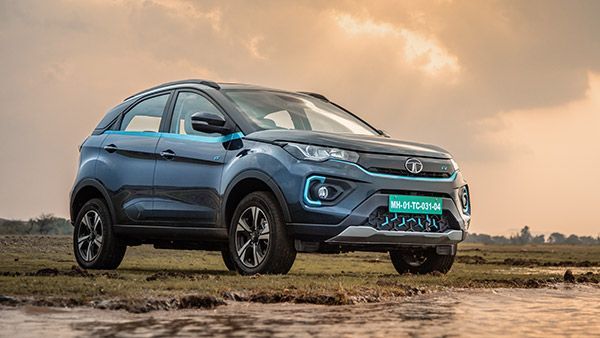
Learn About Tata Nexon EV: Complete Guide, Overview, Advice, Suggestions, Details, and Information
The Tata Nexon EV is an electric sport utility vehicle (SUV) designed to provide an alternative to conventional fuel-powered vehicles. It combines electric mobility technology with features commonly found in modern passenger vehicles, including connected systems, safety technologies, and battery-powered driving capabilities.
As electric vehicles continue to gain attention worldwide, models such as the Tata Nexon EV have become part of discussions around sustainable transportation, energy efficiency, and reduced tailpipe emissions. Understanding how this vehicle works, its technology, and its role in the evolving mobility landscape can help individuals make informed decisions and better understand current transportation trends.
Context: Understanding the Tata Nexon EV
The Tata Nexon EV is based on the Nexon platform and uses an electric powertrain instead of an internal combustion engine. Rather than relying on gasoline or diesel, it operates using electricity stored in a high-voltage battery pack.
The vehicle exists as part of a broader transition toward electric mobility. Governments, manufacturers, energy providers, and transportation planners around the world have been exploring ways to reduce dependence on fossil fuels and improve environmental sustainability.
Key components of the Tata Nexon EV include:
- Lithium-ion battery system
- Electric motor
- Battery management system
- Regenerative braking technology
- Charging interface
- Connected vehicle features
Unlike conventional vehicles that generate power through fuel combustion, the electric motor converts electrical energy into motion. This process can improve energy efficiency and reduce direct vehicle emissions during operation.
Vehicle Technology Overview
| Component | Purpose |
|---|---|
| Battery Pack | Stores electrical energy |
| Electric Motor | Converts electricity into movement |
| Battery Management System | Monitors battery health and performance |
| Regenerative Braking | Recovers energy during deceleration |
| Charging Port | Connects vehicle to charging equipment |
| Connected Technology | Provides vehicle monitoring and digital features |
Importance: Why the Tata Nexon EV Matters
The Tata Nexon EV represents more than a single vehicle model. It reflects broader developments occurring in transportation, energy systems, and environmental planning.
One important reason electric vehicles matter is their contribution to reducing local air pollution. Since electric vehicles do not produce tailpipe emissions while driving, they can support cleaner urban environments when combined with cleaner electricity sources.
The vehicle also demonstrates advancements in battery technology and electric mobility infrastructure. As charging networks expand and battery systems improve, electric vehicles become increasingly practical for a wider range of users.
Groups affected by electric vehicle adoption include:
- Individual vehicle owners
- Urban commuters
- Fleet operators
- Energy providers
- Environmental policymakers
- Automotive manufacturers
Electric vehicles help address several challenges:
- Dependence on fossil fuels
- Urban air quality concerns
- Transportation-related emissions
- Energy efficiency limitations of traditional engines
- Growing interest in sustainable mobility
Electric Mobility Trends
The following chart illustrates a general trend observed in many automotive markets.
| Year | Electric Vehicle Adoption Trend |
|---|---|
| 2021 | Growing awareness |
| 2022 | Infrastructure expansion |
| 2023 | Increased model availability |
| 2024 | Wider consumer interest |
| 2025 | Improved battery technology |
| 2026 | Continued market development |
The exact pace of adoption varies by region, infrastructure availability, policy support, and consumer preferences.
Recent Updates and Industry Developments
The electric vehicle sector has experienced significant changes during the past year.
Battery and Range Improvements
Throughout 2025 and early 2026, manufacturers continued focusing on battery efficiency, energy density improvements, and enhanced thermal management systems. These developments help improve vehicle performance under varying environmental conditions.
Charging Infrastructure Growth
Many regions expanded public charging networks during 2025. Fast-charging technologies and broader charging accessibility remain major priorities for governments and infrastructure providers.
Connected Vehicle Technologies
Recent developments have emphasized:
- Remote vehicle monitoring
- Smartphone integration
- Software updates
- Predictive maintenance tools
- Enhanced navigation systems
Safety Advancements
Automotive manufacturers increasingly focus on:
- Electronic stability systems
- Advanced driver assistance technologies
- Improved battery protection structures
- Enhanced crash safety engineering
Sustainability Focus
Environmental sustainability continues to influence automotive planning. Manufacturers are exploring battery recycling processes, responsible sourcing practices, and improved energy efficiency throughout vehicle lifecycles.
EV Technology Comparison
| Feature | Conventional Vehicle | Electric Vehicle |
|---|---|---|
| Energy Source | Fuel | Electricity |
| Engine Type | Combustion Engine | Electric Motor |
| Tailpipe Emissions | Present | None During Driving |
| Regenerative Braking | Limited | Common |
| Battery Dependence | Low | High |
| Charging Requirement | Not Applicable | Required |
Laws, Regulations, and Government Programs
Electric vehicles are influenced by various regulations and policy frameworks.
Vehicle Safety Standards
Electric vehicles must comply with vehicle safety regulations covering:
- Crash protection
- Electrical safety
- Battery integrity
- Occupant protection
- Electronic systems
Manufacturers conduct extensive testing to ensure compliance with applicable automotive standards.
Environmental Policies
Many countries have introduced environmental initiatives that encourage lower-emission transportation technologies. These policies often support:
- Cleaner transportation systems
- Energy efficiency targets
- Carbon reduction strategies
- Sustainable urban planning
Charging Infrastructure Policies
Government agencies frequently collaborate with utilities and private organizations to expand charging infrastructure. Such initiatives may include:
- Public charging stations
- Highway charging corridors
- Smart charging programs
- Grid modernization projects
Battery Recycling Regulations
Battery recycling has become an increasingly important policy area. Regulations in many regions focus on:
- Responsible disposal
- Material recovery
- Recycling efficiency
- Environmental protection
Data and Connected Vehicle Compliance
Connected vehicle technologies must often comply with requirements involving:
- Cybersecurity practices
- Data protection
- Software integrity
- Consumer privacy considerations
Tools and Resources for Tata Nexon EV Research
Several digital resources can help individuals understand electric vehicles and charging requirements.
EV Charging Locator Apps
Useful for finding public charging stations and planning travel routes.
Examples include:
- PlugShare
- ChargePoint
- A Better Routeplanner (ABRP)
Vehicle Range Calculators
Range estimation tools help users understand how factors such as speed, weather, and driving conditions may affect battery usage.
Battery Health Monitoring Platforms
Battery monitoring tools can provide information regarding:
- Charging cycles
- Energy consumption
- Battery condition
- Efficiency trends
Navigation and Mapping Tools
Modern navigation systems may support:
- Charging station discovery
- Route optimization
- Energy-efficient travel planning
- Real-time traffic analysis
Educational Resources
Helpful sources for learning include:
- Automotive research publications
- Transportation policy reports
- Energy agency resources
- Electric mobility studies
- Vehicle manufacturer documentation
Useful EV Resource Table
| Resource Type | Main Purpose |
|---|---|
| Charging Locator | Find charging stations |
| Range Calculator | Estimate travel distance |
| Navigation Tool | Route planning |
| Battery Monitor | Track battery condition |
| Research Publications | Learn about EV technology |
| Energy Reports | Understand market trends |
Frequently Asked Questions
What is the Tata Nexon EV?
The Tata Nexon EV is a battery-electric SUV that uses an electric motor and rechargeable battery pack instead of a traditional fuel-powered engine.
How does regenerative braking work?
Regenerative braking captures a portion of the vehicle's kinetic energy during deceleration and converts it into electricity, which is then stored in the battery.
What factors influence EV range?
Range can be affected by driving speed, weather conditions, terrain, vehicle load, battery condition, and use of climate-control systems.
Why is battery management important?
The battery management system helps monitor temperature, charging behavior, voltage levels, and overall battery health to support performance and safety.
Are electric vehicles environmentally beneficial?
Electric vehicles can contribute to reduced local air pollution and may support broader sustainability goals when paired with cleaner electricity generation sources.
How does charging infrastructure affect EV adoption?
The availability of convenient and reliable charging stations can improve accessibility and usability for electric vehicle users, making daily operation more practical.
Conclusion
The Tata Nexon EV represents an important example of modern electric mobility technology. By combining battery-powered transportation, connected vehicle systems, regenerative braking, and advanced safety features, it illustrates how automotive technology continues to evolve.
As electric vehicle technology advances, developments in battery performance, charging infrastructure, sustainability initiatives, and regulatory frameworks are expected to shape future transportation systems. Understanding the Tata Nexon EV provides valuable insight into broader electric mobility trends and the growing role of electric vehicles in the automotive industry.
Whether examining vehicle technology, environmental considerations, charging resources, or policy developments, the Tata Nexon EV serves as a useful case study for understanding the ongoing transformation of personal transportation and sustainable mobility.