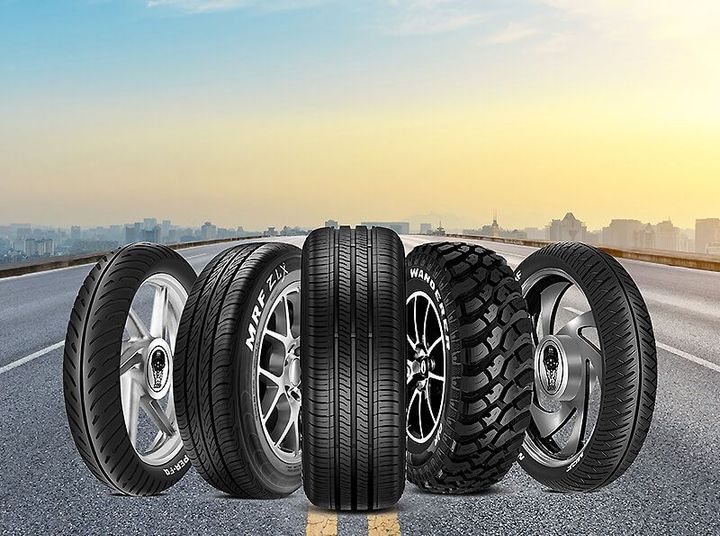
MRF Tyres Explained: Types, Lifespan, Technology, and Performance Insights
MRF is one of India's well-known tyre manufacturers and has established a significant presence across passenger vehicles, motorcycles, commercial vehicles, agricultural equipment, and industrial applications.
Tyres are essential components of vehicle performance because they provide the connection between a vehicle and the road surface. Modern tyre development focuses on durability, handling characteristics, comfort, efficiency, and technological innovation.
This article explores MRF tyre categories, construction technologies, lifespan factors, and industry developments from an educational perspective.
Why Tyres Matter
Tyres influence numerous aspects of vehicle operation, including:
- Road grip
- Handling characteristics
- Ride comfort
- Vehicle stability
- Load-carrying capability
- Driving efficiency
- Durability performance
Advancements in tyre engineering continue to support evolving automotive technologies.
Types of MRF Tyres
MRF manufactures tyres for various vehicle categories.
Passenger Car Tyres
These tyres are commonly used in:
- Hatchbacks
- Sedans
- SUVs
- Crossovers
Two-Wheeler Tyres
Designed for:
- Motorcycles
- Scooters
- Daily commuting vehicles
Commercial Vehicle Tyres
Commonly used in:
- Trucks
- Buses
- Logistics fleets
- Transportation vehicles
Agricultural Tyres
Used on:
- Tractors
- Farm machinery
- Agricultural equipment
Industrial and Off-Road Tyres
Found in:
- Construction machinery
- Industrial vehicles
- Specialized equipment
Understanding Tyre Construction
Modern tyres consist of several engineered layers.
Key components include:
- Tread
- Sidewall
- Belts
- Carcass
- Bead assembly
- Rubber compounds
Each element contributes to tyre performance and durability.
Tyre Tread Technology
The tread is the outer section that comes into direct contact with road surfaces.
Manufacturers design tread patterns to address:
- Water evacuation
- Road contact
- Surface grip
- Durability characteristics
- Noise reduction
Different vehicle applications require different tread designs.
Rubber Compound Innovation
Rubber compounds play a major role in tyre performance.
Important considerations include:
- Durability
- Temperature adaptability
- Rolling efficiency
- Road interaction
- Wear characteristics
Materials research continues to drive innovation in tyre manufacturing.
Understanding Tyre Lifespan
Tyre lifespan depends on numerous factors rather than a fixed time period.
Factors commonly associated with tyre longevity include:
- Driving conditions
- Road quality
- Climate conditions
- Vehicle maintenance
- Wheel alignment
- Inflation levels
- Vehicle loading
Actual lifespan varies according to usage patterns and operating environments.
Factors Affecting Tyre Wear
Tyre wear may be influenced by:
- Driving habits
- Road surfaces
- Vehicle condition
- Temperature fluctuations
- Maintenance schedules
- Load distribution
Regular inspections can help identify wear patterns and maintenance needs.
Performance Characteristics
Tyre manufacturers evaluate several performance factors during development.
Examples include:
- Handling response
- Ride quality
- Noise management
- Wet-surface performance
- Durability
- Efficiency
Performance characteristics can vary depending on vehicle type and operating conditions.
Manufacturing Technologies
Modern tyre production utilizes advanced technologies such as:
- Computer-aided design
- Automated manufacturing systems
- Quality control processes
- Material testing procedures
- Precision engineering techniques
These technologies contribute to consistency and product development.
Safety Considerations
Tyre design often incorporates features related to:
- Stability
- Structural integrity
- Road interaction
- Durability testing
- Environmental adaptability
Safe vehicle operation depends on multiple factors including vehicle maintenance, road conditions, and driver behavior.
Sustainability and Environmental Initiatives
The tyre industry increasingly focuses on sustainability.
Examples include:
- Resource-efficient manufacturing
- Material innovation
- Waste reduction programs
- Recycling initiatives
- Energy efficiency improvements
Environmental considerations continue influencing tyre development worldwide.
Automotive Industry Trends in 2026
Current trends influencing tyre technology include:
- Smart tyre monitoring systems
- Connected vehicle technologies
- Sustainable materials research
- Electric vehicle tyre development
- Noise reduction innovations
- Advanced manufacturing techniques
These developments reflect broader changes within the automotive sector.
Frequently Asked Questions
What types of vehicles use MRF tyres?
MRF manufactures tyres for passenger vehicles, motorcycles, commercial vehicles, agricultural machinery, and industrial equipment.
What affects tyre lifespan?
Factors include driving conditions, maintenance practices, road quality, environmental conditions, and vehicle usage patterns.
Why are tread patterns important?
Tread patterns influence road interaction, water management, and overall tyre characteristics.
How is tyre technology evolving?
Modern developments include smart monitoring systems, advanced materials, sustainability initiatives, and manufacturing innovations.
Why do tyre compounds matter?
Rubber compounds contribute to durability, flexibility, wear characteristics, and overall performance attributes.
Conclusion
MRF tyres represent a broad category of products designed for various automotive and industrial applications. Through advancements in tread design, material engineering, manufacturing technologies, and sustainability initiatives, tyre development continues to evolve alongside modern vehicle technologies.
Understanding tyre categories, lifespan considerations, construction methods, and performance characteristics helps provide valuable insight into the role tyres play within today's automotive industry.
Disclaimer
This article is intended solely for informational and educational purposes. It does not provide automotive, engineering, maintenance, safety, purchasing, legal, or professional advice. It does not endorse, recommend, compare, rank, review, or promote any tyre model, product, or manufacturer. Readers should consult qualified automotive professionals and vehicle manufacturers regarding specific tyre requirements, maintenance practices, safety considerations, and vehicle-related decisions.