Biometric Door Access Explained: Explore Guide, Tips, Insights, Facts, Knowledge, and Helpful Resources
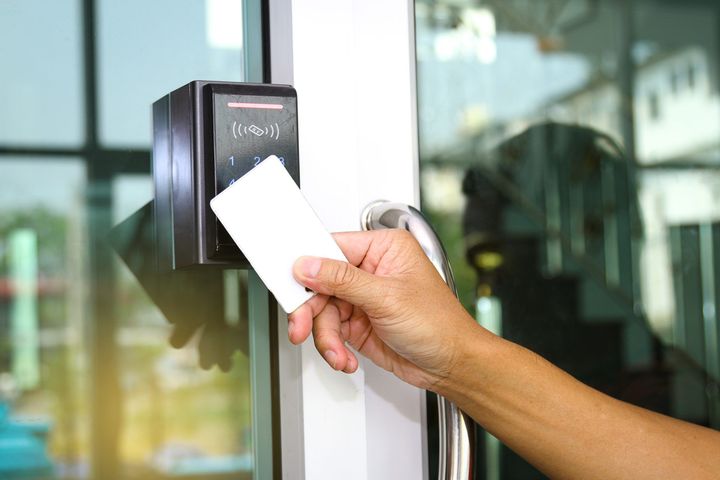
Biometric door access refers to security systems that use unique physical or behavioral characteristics to verify identity before granting entry to a building, room, or restricted area. Instead of relying solely on traditional keys, passwords, or access cards, these systems analyze characteristics such as fingerprints, facial features, iris patterns, or palm veins.
The concept exists because conventional access methods can be lost, copied, shared, or stolen. Biometric authentication provides an additional layer of identity verification by connecting access privileges to a person's unique biological traits.
Biometric access control technology has evolved significantly over the last decade due to advances in artificial intelligence, machine learning, cloud computing, and digital security infrastructure. Today, biometric authentication is used in offices, healthcare facilities, educational institutions, data centers, residential buildings, and transportation hubs.
Common biometric identification methods include:
• Fingerprint recognition
• Facial recognition systems
• Iris and retina scanning
• Palm vein recognition
• Voice recognition authentication
• Multimodal biometric verification
Types of Biometric Door Access Technologies
| Technology | Primary Identifier | Typical Application |
|---|---|---|
| Fingerprint Recognition | Fingerprint patterns | Offices, homes, institutions |
| Facial Recognition | Facial landmarks | Smart buildings, entrances |
| Iris Recognition | Iris structure | High-security facilities |
| Palm Vein Recognition | Vein patterns | Healthcare, secure areas |
| Voice Authentication | Voice characteristics | Remote verification systems |
Why Biometric Door Access Matters
Modern organizations and property managers face increasing security challenges. Unauthorized access, credential sharing, lost keycards, and identity fraud can create operational and security risks.
Biometric security systems help address these challenges by verifying individuals based on characteristics that are difficult to replicate. This improves identity management and strengthens access control processes.
The technology affects many groups, including:
• Facility managers responsible for building security
• Educational institutions managing campus access
• Healthcare organizations protecting sensitive areas
• Data centers securing digital infrastructure
• Residential communities implementing smart access systems
• Government facilities requiring identity verification
Benefits often associated with biometric authentication include:
• Enhanced identity verification
• Reduced dependence on physical credentials
• Improved audit and access logs
• Faster authentication processes
• Better access control management
• Support for cybersecurity and physical security strategies
Security Comparison Overview
| Access Method | Risk of Loss | Risk of Sharing | Identity Verification Strength |
| Physical Keys | High | Medium | Low |
| PIN Codes | None | High | Low |
| Access Cards | High | Medium | Moderate |
| Biometric Authentication | Very Low | Very Low | High |
Recent Updates and Industry Trends
Biometric door access technology has experienced notable developments during 2025 and 2026.
Artificial intelligence integration continues to improve facial recognition accuracy and reduce false acceptance rates. Modern systems increasingly use AI-powered algorithms to distinguish between authorized users and spoofing attempts.
Contactless authentication has remained a major trend. Following increased demand for touch-free technologies, organizations continue adopting facial recognition and palm-based systems that minimize physical contact.
Cloud-based access control platforms have expanded across commercial and institutional environments. These platforms allow administrators to manage permissions, monitor activity, and review access events remotely.
Another important development is the growing adoption of multimodal biometric authentication. Rather than relying on a single identifier, some systems combine facial recognition, fingerprint scanning, and mobile credentials to improve security.
Industry Trend Snapshot
Biometric Access Trends (2025-2026)

AI-Powered Recognition      ██████████
Cloud Access Control        █████████
Contactless Authentication  ██████████
Multimodal Biometrics       ████████
Cybersecurity Integration   █████████
Cybersecurity considerations have also become more important. Organizations increasingly evaluate how biometric data is stored, encrypted, transmitted, and protected from unauthorized access.
Industry discussions throughout 2025 emphasized responsible use of biometric technologies, privacy safeguards, transparency requirements, and stronger governance frameworks for digital identity systems.
Regulations, Laws, and Policy Considerations
Biometric door access systems are often subject to privacy, security, and data protection regulations.
Since biometric information is generally considered sensitive personal data in many jurisdictions, organizations using biometric authentication must carefully manage data collection, storage, and processing practices.
Common regulatory themes include:
• User consent requirements
• Data protection obligations
• Cybersecurity standards
• Transparency requirements
• Data retention limitations
• Breach notification procedures
Several regions have strengthened digital privacy frameworks in recent years, affecting how biometric authentication technologies are implemented and governed.
Organizations typically consider:
• Whether biometric templates are encrypted
• How long data is retained
• Who can access stored records
• Whether data sharing is permitted
• How authentication logs are protected
Many cybersecurity and privacy authorities encourage privacy-by-design principles when deploying biometric access control systems.
Compliance Considerations Table
| Area | Key Focus |
| Privacy | Protection of biometric identifiers |
| Security | Encryption and secure storage |
| Governance | Access control policies |
| Transparency | User notification and disclosure |
| Auditing | Monitoring and recordkeeping |
Helpful Tools and Resources
Several resources can help individuals and organizations better understand biometric authentication and access control technologies.
Useful categories include:
• Identity verification platforms
• Access control management software
• Cybersecurity risk assessment frameworks
• Security compliance checklists
• Data protection guidance documents
• Authentication policy templates
• Building security planning resources
Examples of commonly referenced resource types:
| Resource Type | Purpose |
| Security Assessment Templates | Evaluate access control risks |
| Authentication Policy Documents | Define security procedures |
| Access Log Analysis Tools | Review entry records |
| Compliance Checklists | Support regulatory reviews |
| Cybersecurity Frameworks | Improve security planning |
Educational resources may also include:
• Security standards publications
• Digital identity guidance materials
• Privacy impact assessment templates
• Building access governance documents
• Risk management frameworks
Professionals often combine physical security planning with cybersecurity strategies to create a more comprehensive security approach.
Best Practices for Understanding Biometric Systems
When evaluating biometric door access technology, it can be helpful to understand several key concepts.
Data Protection
Biometric information should be protected using appropriate security measures, including encryption and controlled access.
Accuracy Metrics
Authentication systems are often measured using performance indicators such as false acceptance rates and false rejection rates.
User Experience
Authentication processes should balance convenience with security requirements.
System Integration
Many modern solutions integrate with broader identity management and access control infrastructure.
Regular Auditing
Periodic reviews can help ensure policies remain aligned with operational and compliance requirements.
Frequently Asked Questions
What is biometric door access?
Biometric door access is a security method that verifies a person's identity using unique biological characteristics such as fingerprints, facial features, iris patterns, or palm veins before granting entry.
Is biometric authentication more secure than passwords?
Biometric authentication can provide stronger identity verification because biometric traits are unique to individuals. However, overall security depends on system design, data protection practices, and implementation quality.
What biometric methods are most commonly used?
Fingerprint recognition and facial recognition are among the most widely adopted methods due to their convenience, accessibility, and technological maturity.
Can biometric systems work without internet access?
Many biometric access control systems can operate locally without continuous internet connectivity. Functionality depends on the system architecture and deployment model.
Why is biometric data considered sensitive?
Biometric information is linked directly to an individual's identity and generally cannot be changed like a password. Because of this, many privacy regulations classify biometric data as sensitive information.
Are biometric systems used only in high-security environments?
No. While biometric authentication is common in secure facilities, it is also used in residential buildings, educational institutions, healthcare facilities, and commercial properties.
Conclusion
Biometric door access has become an important component of modern access control and identity verification strategies. By using unique biological characteristics, these systems aim to strengthen security while simplifying authentication processes.
Recent developments in artificial intelligence, cloud-based access management, contactless authentication, and cybersecurity integration continue to shape the industry. At the same time, privacy protection, data governance, and regulatory compliance remain important considerations.
Understanding how biometric authentication works, its benefits, limitations, and associated responsibilities can help individuals and organizations make informed decisions about access control technologies. As digital identity systems continue to evolve, biometric security solutions are likely to remain a significant part of modern security infrastructure.