Electric Massager Overview With Personal Wellness And Massage Details
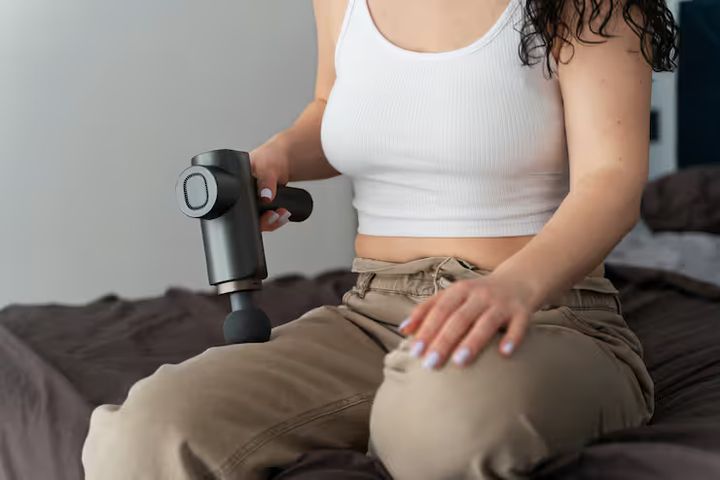
Electric massagers are wellness devices designed to provide mechanical massage through vibration, percussion, kneading, rolling, compression, or heat-assisted technologies. They are commonly used to promote relaxation, reduce temporary muscle tension, improve comfort after physical activity, and support general wellness routines. Electric massagers are widely used in homes, wellness centers, rehabilitation environments, fitness facilities, workplaces, and personal recovery spaces. Modern devices combine ergonomic designs, adjustable intensity settings, rechargeable power systems, and intelligent controls to provide convenient massage experiences for different body areas.
As wellness technology continues advancing globally, electric massagers have become increasingly sophisticated. According to global industry research, manufacturers continue developing quieter motors, longer-lasting rechargeable batteries, ergonomic attachments, customizable massage programs, and smart connectivity features that improve user comfort while enhancing convenience. Improvements in motor efficiency, lightweight materials, and digital controls have significantly expanded the capabilities of modern massage devices.
Understanding electric massager technology is valuable for fitness enthusiasts, office workers, active individuals, caregivers, wellness professionals, researchers, product designers, and consumers interested in personal comfort technologies. Selecting an appropriate massager requires evaluating intended use, massage style, ergonomic design, operating features, battery performance, and ease of maintenance. Learning these fundamentals helps users better understand available technologies and choose devices suited to their general wellness routines. Before examining recent technological developments, it is useful to understand who benefits from electric massagers and the practical challenges they address.
Who It Affects & Problems It Solves
Electric massagers are used by individuals seeking relaxation after daily activities, office professionals who spend extended periods sitting, fitness enthusiasts, recreational athletes, caregivers, older adults, travelers, and wellness practitioners. Physical trainers, ergonomic consultants, rehabilitation professionals, and workplace wellness coordinators may also incorporate massage devices as part of broader wellness or recovery routines. As modern lifestyles become increasingly sedentary and physically demanding, personal wellness technologies continue gaining popularity.
Long periods of sitting, repetitive movement, strenuous physical activity, or demanding daily routines may contribute to temporary muscle tightness or feelings of fatigue. Electric massagers provide a convenient way to apply mechanical massage to targeted body areas, helping many users incorporate short relaxation sessions into their daily schedules. Different massage styles and intensity settings allow users to tailor the experience to their comfort preferences.
Users also seek portability, ease of operation, and flexible wellness solutions. Modern electric massagers integrate rechargeable batteries, multiple massage modes, ergonomic grips, interchangeable attachments, and automatic timers that improve convenience while supporting consistent everyday use. These product improvements continue evolving as wellness technology advances. Recent innovations have significantly expanded the range of available massage devices.
Recent Updates
Over the past year, electric massager technology has continued advancing through improvements in battery performance and motor efficiency. Many modern devices now offer longer operating times, quieter performance, faster charging, and lightweight designs that improve portability and user convenience.
Smart wellness features have also become increasingly common. Some electric massagers incorporate digital displays, customizable massage programs, Bluetooth connectivity, and companion mobile applications that allow users to personalize massage settings and monitor usage history.
Ergonomic design has become another important area of development. Manufacturers continue refining handle designs, attachment shapes, vibration control, and weight distribution to improve comfort during extended use while supporting better accessibility for different users.
Sustainability has also gained greater attention. Manufacturers continue utilizing recyclable materials, energy-efficient motors, durable battery technologies, and environmentally conscious packaging to reduce environmental impact while maintaining product quality. These technological improvements naturally lead to comparing common electric massager types.
Comparison Table
The following comparison outlines common electric massager types and their primary wellness applications.
| Massager Type | Primary Application | Power Source | Main Advantage |
|---|---|---|---|
| Percussion Massager | Muscle Recovery | Rechargeable Battery | Deep Percussive Massage |
| Handheld Massager | General Relaxation | Rechargeable or Corded | Versatile Body Use |
| Neck and Shoulder Massager | Upper Body Comfort | Rechargeable or AC Power | Targeted Massage |
| Foot Massager | Foot Relaxation | AC Power | Comprehensive Foot Massage |
| Massage Cushion | Back Support | AC Power | Convenient Seating Integration |
| Massage Chair | Full-Body Wellness | AC Power | Multiple Massage Programs |
| Mini Portable Massager | Travel Use | Rechargeable Battery | Compact Design |
| Heat Massager | Warm Massage Experience | Rechargeable or AC Power | Heat-Assisted Comfort |
| Leg Compression Massager | Lower Limb Massage | Rechargeable or AC Power | Compression Technology |
| Massage Pillow | Neck and Lumbar Support | Rechargeable or AC Power | Ergonomic Convenience |
The comparison demonstrates that different electric massagers are designed to support various wellness routines and comfort preferences. Device selection depends on intended body area, massage style, portability, operating features, power source, and user convenience. These considerations are supported by ergonomic design principles and consumer wellness product development.
Regulations & Practical Guidance
Electric massagers are generally designed according to internationally recognized standards relating to electrical safety, product quality, consumer protection, electromagnetic compatibility, and manufacturing reliability. Manufacturers typically perform electrical testing, durability evaluations, battery safety assessments, material inspections, quality control procedures, and performance verification to support dependable product operation.
Routine care contributes significantly to long-term device performance. Regular cleaning of massage attachments, inspecting charging cables, maintaining battery health, storing devices in dry environments, and following operating instructions help preserve product reliability while extending service life. Periodic inspection also supports safe and consistent operation.
Which Option Suits Your Situation?
Individuals seeking general daily relaxation often benefit from handheld electric massagers because they provide flexible use across multiple body areas while remaining easy to operate.
People who spend long hours working at desks frequently choose neck, shoulder, or massage cushion devices that provide targeted comfort while sitting or resting.
Active individuals commonly utilize percussion massagers after exercise as part of their personal recovery routines due to their adjustable intensity settings and interchangeable massage attachments.
Users seeking comprehensive home wellness experiences may prefer massage chairs or foot massagers that combine multiple massage techniques with programmable settings for enhanced convenience. Understanding these options becomes easier when supported by practical product resources.
Tools & Resources
Several commonly available resources support individuals interested in electric massagers and personal wellness technologies.
Device User Manuals — Explain operation, maintenance, and safety recommendations.
Battery Maintenance Guides — Support long-term rechargeable battery performance.
Wellness Tracking Applications — Monitor wellness routines and device usage.
Product Care Resources — Provide cleaning and storage recommendations.
Ergonomic Education Materials — Offer information on posture, comfort, and body positioning.
Engineering Standards Libraries — Provide technical information regarding electrical consumer products.
Consumer Wellness Resources — Support learning about personal comfort technologies and healthy lifestyle practices.
These resources help consumers better understand electric massager technology while supporting informed product use and long-term maintenance.
Frequently Asked Questions
What is an electric massager?
An electric massager is a personal wellness device that uses powered mechanical movement such as vibration, percussion, rolling, kneading, compression, or heat-assisted functions to provide massage for relaxation and general comfort.
Which electric massager is suitable for different applications?
The appropriate massager depends on the intended body area, preferred massage style, portability requirements, operating features, power source, and personal comfort preferences. Different devices are designed for different wellness routines.
Are electric massagers generally regulated?
Most electric massagers are manufactured according to internationally recognized standards covering electrical safety, consumer product quality, electromagnetic compatibility, battery performance, and manufacturing reliability. Manufacturers typically perform quality testing and safety evaluations before distribution.
Is higher massage intensity always better?
Higher intensity is not necessarily more suitable for every individual. Adjustable settings allow users to select a comfortable massage level based on their preferences, intended use, and the specific body area being massaged. Personal comfort should guide intensity selection.
What factors influence electric massager performance?
Motor quality, battery capacity, ergonomic design, massage attachments, operating modes, build quality, maintenance practices, charging habits, and intended application all influence the overall performance and user experience of an electric massager.
Conclusion
Electric massagers have become valuable personal wellness devices by providing convenient mechanical massage that supports relaxation, temporary relief from everyday muscle tension, and general comfort. Through advances in motor technology, ergonomic engineering, rechargeable batteries, intelligent controls, and product design, modern massage devices continue improving convenience, usability, and overall user experience across a wide range of wellness applications.
Rather than selecting a device based solely on power or size, users should evaluate massage style, intended application, ergonomic design, portability, operating features, maintenance requirements, and long-term usability. A balanced evaluation supports a more satisfying and practical wellness routine.
As wellness technology continues advancing globally, future electric massagers are expected to incorporate greater personalization, artificial intelligence, enhanced ergonomic designs, improved battery performance, smarter connectivity, and increasingly sophisticated engineering solutions that further strengthen personal wellness and everyday comfort.