How Fluid Pump Systems Improve Industrial Flow Efficiency: Discover Insights, Explanation, Tips, and Information
Fluid pump systems play a vital role in modern industrial operations. They are used to move liquids, chemicals, water, oil, and other fluids from one location to another within a facility. From manufacturing plants and energy facilities to water treatment operations and processing industries, these systems help maintain steady flow rates and support efficient production processes.
As industries continue focusing on operational efficiency, energy management, and process reliability, fluid pump systems remain a critical part of industrial infrastructure. Advances in automation, monitoring technologies, and pump design have further improved their performance and reliability.
Understanding Fluid Pump Systems
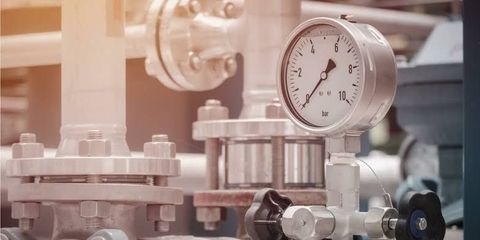
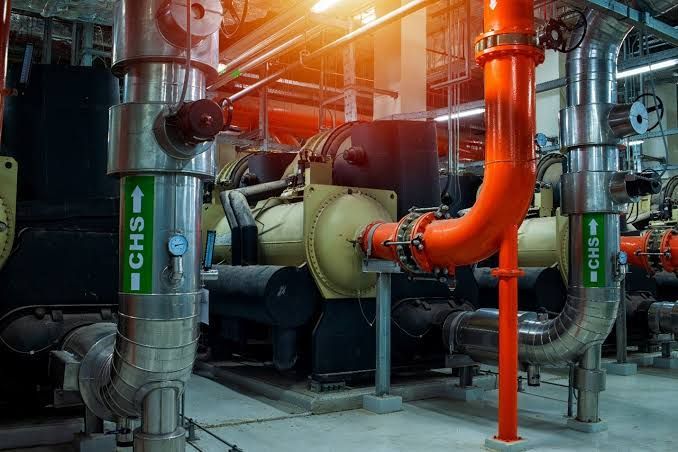
A fluid pump system is a combination of equipment designed to transport fluids through pipes, tanks, and industrial processes. The system typically includes pumps, motors, valves, sensors, piping networks, and control units.
Common industrial pump categories include:
- Centrifugal pumps
- Positive displacement pumps
- Diaphragm pumps
- Gear pumps
- Peristaltic pumps
- Submersible pumps
Different industries select pump technologies based on fluid properties, pressure requirements, flow rates, and operational conditions.
Key Components of Industrial Pump Systems
| Component | Function |
|---|---|
| Pump Unit | Moves fluid through the system |
| Motor | Provides mechanical power |
| Valves | Control fluid direction and pressure |
| Sensors | Monitor flow, pressure, and temperature |
| Pipes | Transport fluids between locations |
| Control Systems | Manage performance and automation |
These components work together to maintain stable operations and support industrial process optimization.
Why Industrial Facilities Use Pump Systems
Industrial processes often require continuous movement of liquids. Without efficient pumping solutions, production delays, equipment damage, and resource waste may occur.
Fluid pump systems help organizations:
- Maintain consistent production flow
- Improve process control
- Support industrial automation
- Reduce operational interruptions
- Enhance fluid management
- Improve energy efficiency
Many industries depend on advanced pumping technology to ensure that fluids reach the correct locations at the appropriate pressure and flow rate.
The Importance of Flow Efficiency in Modern Industry
Flow efficiency refers to the ability to move fluids with minimal energy loss and operational waste. Efficient fluid movement contributes to improved productivity and better resource utilization.
Industries affected by fluid flow efficiency include:
- Manufacturing
- Oil and gas
- Chemical processing
- Water treatment
- Food processing
- Pharmaceutical production
- Mining operations
- Energy generation
When flow efficiency improves, facilities often experience:
- Reduced energy consumption
- Better equipment performance
- Lower maintenance requirements
- Improved process consistency
- Enhanced operational reliability
How Fluid Pump Systems Improve Industrial Flow Efficiency
Modern fluid pump systems improve efficiency through several mechanisms.
Optimized Flow Control
Advanced pumps can adjust output according to process demands. This prevents excessive flow and minimizes unnecessary energy usage.
Pressure Management
Proper pressure regulation reduces stress on pipelines and equipment while maintaining consistent fluid movement throughout the system.
Reduced Energy Loss
Modern pump designs focus on hydraulic efficiency, helping reduce friction and turbulence that can waste energy.
Integration with Automation Systems
Industrial automation platforms can continuously monitor pump performance and adjust operating conditions in real time.
Predictive Maintenance Support
Sensors and monitoring technologies help identify potential issues before failures occur, reducing downtime and improving system reliability.
High-Value Industrial Applications
The following industries frequently utilize advanced pumping technologies:
| Industry | Typical Application |
|---|---|
| Water Treatment | Water transfer and filtration |
| Chemical Processing | Chemical transport and dosing |
| Oil & Gas | Pipeline flow management |
| Manufacturing | Cooling and lubrication systems |
| Pharmaceuticals | Precision fluid handling |
| Mining | Slurry and wastewater movement |
| Energy Production | Cooling systems and circulation |
These sectors increasingly rely on industrial pump efficiency, process automation, and energy management solutions.
Energy Efficiency and Sustainability Benefits
Energy consumption is a major operational consideration for industrial facilities. Pump systems can account for a significant share of industrial electricity usage.
Improving pump efficiency can contribute to:
- Lower energy demand
- Reduced greenhouse gas emissions
- Better resource utilization
- Improved environmental performance
- Enhanced sustainability initiatives
Variable frequency drives (VFDs) are increasingly used alongside pumps to match motor speed with actual process requirements, helping improve overall system efficiency.
Recent Developments and Industry Trends
Recent developments have focused on digital transformation and smarter industrial operations.
Growth of Smart Pump Technology (2025–2026)
Manufacturers continue introducing smart pump systems equipped with:
- Internet of Things (IoT) connectivity
- Real-time diagnostics
- Cloud-based monitoring
- Automated performance optimization
These technologies support data-driven maintenance and operational decision-making.
Expansion of Industrial Automation
During 2025 and 2026, many industrial facilities increased investments in automation technologies that integrate pumps with broader industrial control systems.
Key developments include:
- Remote monitoring dashboards
- Predictive analytics
- Automated flow regulation
- Digital asset management
Increased Focus on Energy Optimization
Industrial organizations have continued emphasizing energy efficiency initiatives throughout 2025 and 2026.
Common strategies include:
- Upgrading legacy pump systems
- Installing variable speed drives
- Implementing energy management software
- Conducting pump efficiency assessments
Industrial Pump System Efficiency Comparison
| System Type | Energy Efficiency | Maintenance Complexity | Automation Compatibility |
|---|---|---|---|
| Traditional Fixed-Speed Pumps | Moderate | Moderate | Limited |
| Variable Speed Pump Systems | High | Moderate | High |
| Smart IoT Pump Systems | Very High | Low to Moderate | Very High |
Visual Representation of Efficiency Improvement
Flow Efficiency Trend
Traditional Systems      ██████
Variable Speed Systems   █████████
Smart Pump Systems       ████████████
Energy Optimization Potential
Low Optimization         ███
Medium Optimization      ███████
Advanced Optimization    ████████████
These illustrations provide a simplified view of how modern technologies can support greater operational efficiency.
Regulatory and Policy Considerations
Fluid pump systems are often affected by industrial regulations related to safety, environmental protection, and energy management.
Important policy areas include:
Energy Efficiency Standards
Many countries maintain energy efficiency frameworks that encourage the adoption of efficient industrial equipment and energy management practices.
Environmental Regulations
Facilities handling chemicals, wastewater, and industrial fluids may be subject to environmental compliance requirements designed to prevent contamination and resource waste.
Workplace Safety Requirements
Industrial safety regulations often address:
- Pressure management
- Equipment inspections
- Leak prevention
- Emergency shutdown procedures
- Maintenance documentation
Water Conservation Programs
Water-intensive industries may also operate under policies that promote efficient water usage and responsible resource management.
Organizations commonly integrate pump monitoring technologies to help support compliance reporting and operational transparency.
Helpful Tools and Resources
Several resources can help organizations understand and manage industrial pumping systems more effectively.
Engineering and Design Tools
- Hydraulic system calculators
- Flow rate calculators
- Pressure drop calculators
- Pipe sizing tools
- Pump selection software
Monitoring Technologies
- Industrial IoT platforms
- SCADA systems
- Predictive maintenance software
- Energy monitoring dashboards
Educational Resources
- Engineering association publications
- Industrial automation training materials
- Technical standards documentation
- Equipment manufacturer knowledge centers
Common Performance Metrics
- Flow rate
- Head pressure
- Pump efficiency
- Power consumption
- Mean time between failures
- System reliability indicators
Monitoring these metrics helps organizations evaluate system performance and identify opportunities for improvement.
Frequently Asked Questions
What is a fluid pump system?
A fluid pump system is a collection of equipment that moves liquids through industrial processes. It typically includes pumps, motors, valves, sensors, and control systems.
Why is pump efficiency important?
Pump efficiency affects energy usage, operational performance, and process reliability. Efficient systems can reduce waste and support smoother industrial operations.
What industries use fluid pump systems?
Industries such as manufacturing, chemical processing, oil and gas, pharmaceuticals, mining, energy production, and water treatment commonly use pump systems.
What is a smart pump system?
A smart pump system uses sensors, automation, and digital monitoring technologies to optimize performance and provide real-time operational insights.
How do variable frequency drives improve efficiency?
Variable frequency drives adjust motor speed to match process requirements. This helps reduce unnecessary energy consumption and improve system performance.
What factors affect industrial flow efficiency?
Flow efficiency can be influenced by pump design, pipe configuration, pressure management, maintenance practices, automation systems, and fluid characteristics.
Conclusion
Fluid pump systems are fundamental to industrial operations and play a major role in maintaining efficient fluid movement across a wide range of sectors. By supporting optimized flow control, pressure management, automation, and predictive maintenance, modern pumping technologies help organizations improve operational performance and resource utilization.
Recent advancements in smart monitoring, industrial automation, and energy optimization continue to shape the future of fluid management. As industries focus on sustainability, efficiency, and reliability, fluid pump systems remain an important component of modern industrial infrastructure. Understanding how these systems function and the technologies that support them can help stakeholders make informed decisions about process optimization and long-term operational efficiency.