Smart Boiler Maintenance Advice for Energy Efficiency
Boilers remain one of the most important systems in commercial and industrial facilities. From manufacturing plants to office buildings, energy performance often depends on how efficiently a boiler operates. Poor maintenance can increase fuel consumption, reduce equipment life, and create inconsistent heating or steam output.
Modern boiler maintenance strategies focus on efficiency, reliability, and automation. Businesses that follow preventive maintenance routines often experience lower energy waste and improved operational stability. As energy standards continue to evolve, understanding smart maintenance practices has become essential for long-term system performance.
Understanding Modern Boiler Maintenance
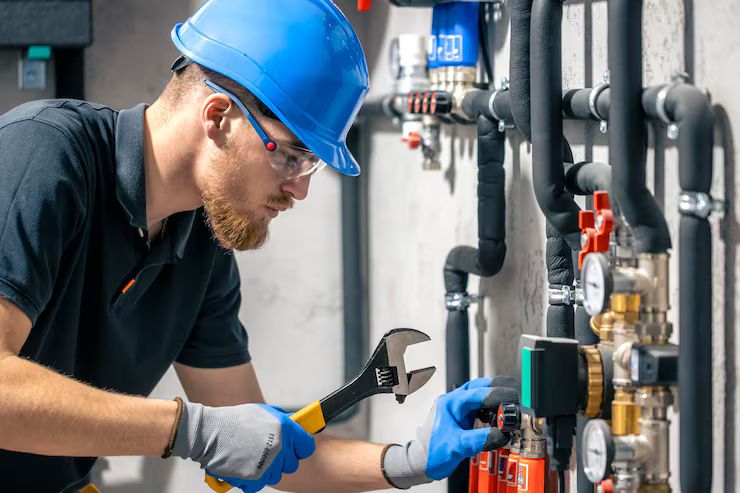
Boiler maintenance involves regular inspection, cleaning, testing, and adjustment of heating and steam systems. The goal is to maintain stable operation while minimizing unnecessary energy usage.
Traditional maintenance approaches relied heavily on reactive repairs. Today, many facilities use predictive and preventive strategies supported by digital monitoring systems. This shift helps reduce downtime and supports better fuel efficiency.
Commercial boiler maintenance and industrial boiler maintenance now include advanced diagnostics, sensor tracking, and automation controls. These methods allow operators to detect small issues before they become major operational problems.
Steam boiler maintenance is especially important because steam systems operate under pressure and temperature variations. Even small inefficiencies can increase energy consumption significantly over time.
Why Energy Efficiency Matters in Boiler Systems
Energy-efficient boiler systems help reduce operational strain while improving performance consistency. Boilers that operate efficiently consume less fuel to produce the same heating or steam output.
Several factors influence boiler efficiency:
- Burner performance
- Heat transfer quality
- Water treatment balance
- Insulation condition
- Combustion control accuracy
- Steam distribution efficiency
When maintenance is neglected, soot buildup, scale formation, and airflow imbalance can reduce heat transfer performance. As a result, the system requires more energy to maintain desired temperatures.
Efficient operation also supports environmental sustainability by reducing emissions and unnecessary fuel waste.
Common Boiler Problems That Reduce Efficiency
Many efficiency problems develop slowly and may go unnoticed during daily operations. Routine inspections help identify these issues early.
Scale and Sediment Buildup
Water impurities can create mineral deposits inside the boiler. These deposits reduce heat transfer and force the system to work harder.
Even a thin layer of scale can increase fuel usage significantly. Proper water treatment and periodic cleaning help prevent this issue.
Burner and Combustion Issues
Incorrect fuel-to-air ratios affect combustion quality. Poor combustion can reduce efficiency and increase energy waste.
Burners should be inspected regularly to ensure stable flame patterns and accurate combustion settings.
Steam Leaks and Pressure Loss
Steam leaks reduce system performance and increase operational demand. Pressure inconsistencies can also affect heating reliability across facilities.
Routine steam boiler maintenance should include leak inspections, valve testing, and pressure monitoring.
Faulty Sensors and Controls
Modern boiler automation systems rely on sensors and digital controls. When sensors become inaccurate, the boiler may operate inefficiently without clear warning signs.
Calibration checks help maintain accurate monitoring and stable energy performance.
Smart Maintenance Strategies for Better Performance
Smart maintenance combines preventive routines with technology-driven monitoring. This approach improves efficiency while reducing unexpected shutdowns.
Use Preventive Maintenance Schedules
Preventive maintenance reduces the risk of major failures and improves long-term system efficiency.
A structured maintenance schedule may include:
| Maintenance Task | Recommended Frequency | Energy Efficiency Impact |
|---|---|---|
| Burner inspection | Monthly | Improves combustion accuracy |
| Water treatment check | Weekly | Prevents scale buildup |
| Heat exchanger cleaning | Quarterly | Enhances heat transfer |
| Steam trap inspection | Monthly | Reduces steam loss |
| Sensor calibration | Semi-annually | Maintains accurate controls |
| Safety valve testing | Annually | Supports stable operation |
Regular maintenance records also help identify recurring efficiency problems.
Monitor Combustion Efficiency
Combustion analysis is one of the most effective ways to improve boiler performance. Proper combustion ensures fuel burns efficiently with minimal waste.
Technicians often measure:
- Oxygen levels
- Carbon monoxide output
- Flue gas temperature
- Excess air ratios
Adjustments based on combustion readings can improve fuel efficiency and system stability.
Improve Insulation Quality
Poor insulation allows heat loss through pipes, valves, and boiler surfaces. Heat loss forces the system to consume additional fuel.
Facilities should inspect insulation regularly, especially around steam lines and high-temperature components.
Maintain Proper Water Quality
Water treatment plays a major role in industrial boiler maintenance. Untreated water can create corrosion, scale buildup, and reduced efficiency.
Effective water treatment programs help maintain:
- Balanced pH levels
- Low dissolved solids
- Reduced oxygen content
- Stable conductivity
Consistent water quality supports longer equipment life and better heat transfer performance.
Role of Boiler Automation Systems
Boiler automation systems have transformed modern energy management. Automated systems monitor performance continuously and make real-time operational adjustments.
These systems help improve energy efficiency by optimizing fuel use and reducing manual errors.
Real-Time Monitoring
Automation platforms track:
- Temperature levels
- Pressure conditions
- Fuel consumption
- Steam demand
- Combustion performance
Operators can quickly identify unusual patterns before efficiency declines become severe.
Predictive Maintenance Support
Predictive maintenance uses operational data to forecast potential equipment problems. Instead of waiting for failures, operators can address warning signs early.
This strategy helps reduce downtime and maintain steady energy performance.
Load Management Optimization
Boiler automation systems can adjust output based on facility demand. During lower demand periods, the system reduces fuel usage automatically.
This intelligent load balancing supports energy-efficient boiler systems across varying operational conditions.
Commercial Boiler Maintenance Best Practices
Commercial buildings often rely on boilers for heating, hot water, and climate control. Efficient operation directly affects comfort and energy management.
Commercial boiler maintenance should focus on consistent seasonal preparation and operational monitoring.
Important practices include:
- Inspecting vent systems regularly
- Cleaning burners before peak seasons
- Monitoring thermostat accuracy
- Checking circulation pumps
- Verifying airflow balance
Building managers should also review energy consumption trends throughout the year. Sudden increases may indicate hidden maintenance problems.
Routine inspections help maintain stable indoor temperatures while reducing unnecessary fuel usage.
Industrial Boiler Maintenance Considerations
Industrial environments place higher demands on boiler systems due to continuous operation and large steam requirements.
Industrial boiler maintenance programs are often more detailed because operational interruptions can affect productivity.
Key industrial maintenance priorities include:
- High-pressure system inspections
- Steam trap performance testing
- Feedwater system monitoring
- Corrosion management
- Exhaust gas analysis
Facilities with multiple boilers may also benefit from rotating operational loads. Balanced usage helps reduce wear on individual units.
Industrial systems often integrate advanced boiler automation systems to improve efficiency and reduce manual oversight.
Steam Boiler Maintenance for Long-Term Reliability
Steam systems require careful monitoring because pressure changes can affect both efficiency and safety.
Steam boiler maintenance should include frequent inspection of:
- Steam traps
- Condensate return systems
- Pressure gauges
- Blowdown procedures
- Pipe insulation
Condensate recovery is especially important for energy efficiency. Reusing hot condensate reduces fuel demand because the returning water already contains thermal energy.
Operators should also monitor steam distribution balance. Uneven steam delivery can create temperature inconsistencies and wasted energy.
Signs That a Boiler May Need Immediate Attention
Certain warning signs often indicate declining efficiency or developing mechanical problems.
Common indicators include:
- Rising fuel consumption
- Irregular pressure readings
- Unusual noises
- Frequent cycling
- Delayed steam production
- Inconsistent heating output
- Visible corrosion
Addressing these signs early helps prevent larger operational disruptions.
Future Trends in Energy-Efficient Boiler Systems
The boiler industry continues to evolve with new technologies focused on energy optimization and environmental performance.
Emerging trends include:
- AI-driven monitoring systems
- Remote diagnostics
- Smart energy analytics
- Low-emission combustion technology
- Integrated building management systems
Advanced automation tools can now analyze operating conditions continuously and recommend efficiency improvements automatically.
As sustainability standards increase globally, energy-efficient boiler systems will likely become even more dependent on intelligent monitoring and predictive maintenance technologies.
Conclusion
Efficient boiler operation depends heavily on consistent maintenance and smart system management. Whether managing a commercial facility or an industrial plant, proactive maintenance strategies help reduce energy waste and improve operational reliability.
Commercial boiler maintenance, industrial boiler maintenance, and steam boiler maintenance all benefit from regular inspections, water treatment, combustion analysis, and insulation management. Modern boiler automation systems further enhance efficiency by providing real-time monitoring and predictive maintenance capabilities.
Facilities that invest in preventive maintenance and energy-efficient boiler systems often experience better long-term performance, lower fuel consumption, and more stable operations. As technology advances, smart maintenance practices will continue to play a major role in improving boiler efficiency across industries.