Sheet Metal Bending Machines: Complete Buying Guide
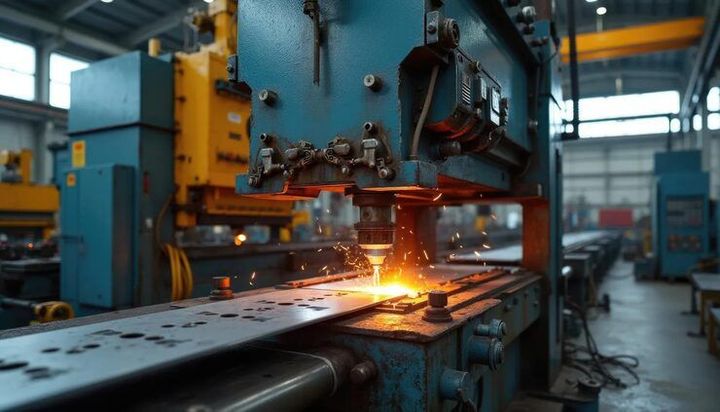
Sheet metal bending machines are essential tools in modern manufacturing. They are used to shape flat metal sheets into different angles and forms without cutting or removing material. Industries such as automotive, aerospace, construction, electronics, and heavy engineering depend on these machines to produce accurate and consistent components.
As industrial automation continues to grow, advanced bending technology has become an important part of precision manufacturing. Smart systems and CNC controls have improved production quality while reducing waste and improving efficiency.
Types of Sheet Metal Bending Machines
Manual Bending Machines
Manual machines are simple and suitable for small workshops or low-volume production. They require physical operation and are commonly used for light fabrication projects.
Hydraulic Press Brake Machines
Hydraulic press brakes use hydraulic cylinders to apply force for bending metal sheets. They are popular because they provide high accuracy and can handle thick materials with ease.
CNC Bending Machines
CNC bending machines are controlled by computer programs, allowing operators to produce highly accurate bends repeatedly. These machines reduce human error and increase productivity, making them valuable for industrial manufacturing.
Electric Bending Machines
Electric models use servo motors instead of hydraulic systems. They are energy-efficient, operate quietly, and provide excellent precision for high-end fabrication work.
Important Features to Consider
Bending Capacity
The thickness and width of the material a machine can process are important factors. Choosing the right capacity ensures smooth production without overloading the equipment.
CNC Control System
Modern CNC controls allow operators to store programs, automate sequences, and maintain consistent quality across large production runs.
Frame Strength
A strong machine frame reduces vibration and improves bending accuracy. Heavy-duty construction also extends the machine's operational life.
Precision and Repeatability
Industries that require tight tolerances benefit from machines capable of producing identical parts with minimal variation.
Safety Systems
Advanced machines include laser guards, emergency stop functions, and sensor technology to protect operators during production.
Materials That Can Be Bent
Sheet metal bending machines can process a wide range of materials, including:
- Stainless steel
- Carbon steel
- Aluminum
- Copper
- Brass
- Galvanized steel
- Titanium alloys
The material type and thickness determine the amount of force required for the bending process.
Industrial Applications
Automotive Manufacturing
Vehicle manufacturers use bending machines to create body panels, brackets, frames, and structural components with high precision.
Aerospace Engineering
Aircraft production requires lightweight yet strong components. CNC bending technology helps achieve the strict quality standards needed in this industry.
Construction Industry
Metal roofing panels, support structures, frames, and architectural elements are commonly produced using sheet metal forming equipment.
Electrical and Electronics
Cabinets, enclosures, control panels, and electronic housings depend on accurate metal bending for proper assembly.
The Role of Automation
Industrial automation has transformed metal fabrication. Modern bending machines can integrate with robotic systems, automated material handling, and digital production management platforms.
Many manufacturers now use Industry 4.0 technologies to monitor machine performance, improve production planning, and reduce downtime. Smart manufacturing systems also collect operational data that helps improve long-term efficiency.
According to industry trends, automated fabrication equipment continues to expand because businesses seek higher productivity, reduced material waste, and consistent product quality.
Energy Efficiency and Sustainability
Manufacturers increasingly focus on reducing energy consumption. Electric and servo-driven bending machines often use less power compared to traditional hydraulic systems.
Efficient metal forming also minimizes scrap material, supporting sustainable manufacturing practices. Lower waste levels can improve resource utilization and reduce production expenses.
Common Challenges in Metal Bending
Even advanced equipment can face certain production challenges.
Springback Effect
Some metals naturally return slightly toward their original shape after bending. Modern CNC systems calculate compensation values to improve accuracy.
Material Cracking
Incorrect bending angles or insufficient tooling selection may cause cracks, especially in harder materials.
Tool Wear
Punches and dies gradually wear over time. Regular inspection helps maintain product quality and extends tool life.
Maintenance for Long-Term Performance
Proper maintenance helps ensure reliable operation and consistent results.
Regular Inspection
Check hydraulic systems, electrical components, and moving parts for signs of wear.
Lubrication
Keeping machine parts properly lubricated reduces friction and extends equipment life.
Software Updates
CNC systems often receive updates that improve performance and add new operational features.
Tool Calibration
Accurate tooling alignment helps maintain precision and reduces production errors.
Future Trends in Sheet Metal Bending Technology
The future of sheet metal fabrication is closely connected with digital manufacturing. Artificial intelligence, machine learning, and predictive maintenance are becoming more common in industrial environments.
Robotic automation, cloud-based production monitoring, and smart sensors are expected to improve efficiency even further. Manufacturers are also investing in energy-efficient systems that support environmentally responsible production.
As global manufacturing evolves, advanced sheet metal bending machines will continue to play a vital role in precision engineering, industrial automation, and high-performance fabrication.
Conclusion
Sheet metal bending machines have become an essential part of modern manufacturing. From simple manual models to advanced CNC systems, these machines provide the precision and reliability needed for a wide range of industries.
Understanding machine types, key features, applications, maintenance practices, and emerging technologies helps businesses and industry professionals make informed decisions. With automation and smart manufacturing continuing to grow, sheet metal bending technology will remain a critical component of the global industrial landscape.