Sequential Controller Washing Machine: Process Flow, Operation, and Technology Guide
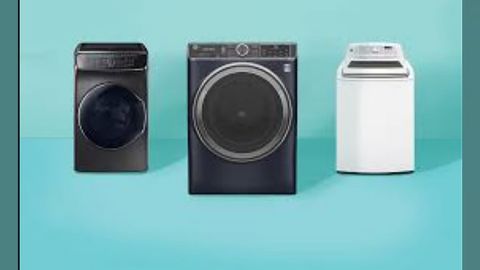
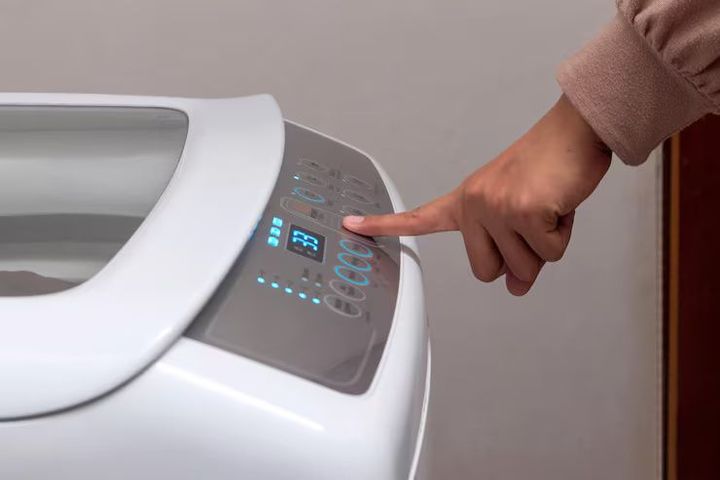
A Sequential Controller Washing Machine is a washing system that follows a predefined sequence of operations to complete the laundry process.
Instead of requiring constant user involvement, the machine automatically moves through washing, rinsing, draining, and spinning stages in a specific order.
Modern washing machines have become an essential part of daily life. They help households, apartments, hotels, educational institutions, and commercial facilities manage laundry efficiently. The sequential controller is a key component that ensures every stage of the washing cycle occurs at the correct time and in the proper sequence.
Understanding how a sequential controller washing machine works can help users appreciate the technology behind automated laundry systems and make better decisions when selecting household appliances.
Understanding the Concept
A Sequential Controller Washing Machine operates using a control mechanism that manages different stages of the washing process one after another. The controller acts as the machine's decision-making unit, directing various components to perform specific tasks during each cycle.
The controller determines:
- When water enters the drum
- How long washing should continue
- When rinsing begins
- When water drains
- When spinning starts
- When the cycle ends
The entire process follows a programmed sequence. Each action occurs only after the previous stage has been completed.
In traditional designs, mechanical timers controlled these sequences. Modern washing machines often use electronic control systems and digital control technology to achieve greater precision and efficiency.
Key Types or Categories
Sequential controller washing machines can be categorized based on their control technology and operational design.
Mechanical Sequential Controller Machines
Mechanical systems use rotating timers, gears, and switches to manage washing cycles.
Characteristics include:
- Simple operation
- Basic cycle programming
- Durable construction
- Easy maintenance
These systems are commonly found in older washing machine models.
Electronic Sequential Controller Machines
Electronic controllers use circuit boards and sensors to manage washing operations.
Features include:
- More accurate timing
- Multiple wash programs
- Improved water management
- Enhanced energy efficiency
These systems are common in modern home appliances.
Semi-Automatic Washing Machines
Semi-automatic units require some user interaction during the laundry process.
Common characteristics include:
- Manual water filling
- User-controlled cycle selection
- Separate washing and spinning sections
These machines remain popular in areas where water availability varies.
Fully Automatic Washing Machines
Fully automatic systems complete the entire washing process with minimal user involvement.
Typical functions include:
- Automatic water intake
- Automatic rinsing
- Automatic spinning
- Automatic cycle completion
These models rely heavily on advanced washing machine control systems.
Important Subsections
Timer Mechanism
The timer controls the duration of each stage.
It determines:
- Wash time
- Rinse duration
- Spin duration
- Total cycle length
Accurate timing ensures effective cleaning while minimizing unnecessary resource usage.
Water Level Sensors
Water level sensors monitor the amount of water inside the drum.
Their functions include:
- Preventing overfilling
- Maintaining proper water levels
- Supporting efficient operation
These sensors play an important role in modern appliance automation systems.
Motor Control Unit
The motor control unit regulates drum movement.
It manages:
- Rotation speed
- Direction changes
- Spin cycle performance
Proper motor control contributes to effective cleaning and fabric care.
Drainage System
The drainage system removes used water after washing and rinsing stages.
The controller activates the drainage mechanism at specific points during the cycle.
How It Works
The operation of a sequential controller washing machine follows a structured process flow.
Step 1: Program Selection
The user selects the desired wash program based on fabric type and laundry requirements.
Examples include:
- Normal wash
- Quick wash
- Delicate wash
- Heavy-duty wash
The selected program determines the sequence of operations.
Step 2: Water Intake
The controller activates the water inlet valve.
Water enters the drum until the required level is reached.
Water level sensors continuously monitor the process.
Step 3: Washing Stage
The motor begins rotating the drum.
The drum moves back and forth according to the programmed sequence.
Detergent mixes with water to clean the clothing.
The controller manages:
- Washing duration
- Drum movement
- Water level regulation
Step 4: Water Drainage
Once washing is complete, the controller activates the drain system.
Used water exits the machine through the drainage outlet.
The machine prepares for the next stage.
Step 5: Rinsing Cycle
Fresh water enters the drum.
The machine removes remaining detergent from fabrics.
Depending on the selected program, multiple rinse cycles may occur.
Step 6: Final Drainage
After rinsing, the controller initiates another drainage process.
The machine removes rinse water before spinning begins.
Step 7: Spin Cycle
The drum rotates at higher speeds.
Centrifugal force removes excess moisture from clothing.
The controller carefully regulates spin speed and duration.
Step 8: Cycle Completion
After all programmed stages finish, the machine stops automatically.
The laundry cycle is complete.
Benefits and Advantages
Sequential controller washing machines provide several practical advantages.
Consistent Operation
Every cycle follows the same programmed sequence.
This consistency helps achieve reliable washing results.
Improved Energy Efficiency
Modern control systems optimize water and electricity usage.
Benefits include:
- Reduced energy consumption
- Better resource management
- Efficient cycle control
Energy efficiency is an important consideration for many households.
User Convenience
Automation reduces the need for manual supervision.
Users simply select a program and allow the machine to complete the process.
Enhanced Fabric Care
Controlled drum movement and programmed washing cycles help protect fabrics from unnecessary wear.
Different programs support various clothing materials and washing requirements.
Better Water Management
Modern controllers regulate water intake precisely.
This improves washing performance while reducing unnecessary water usage.
Smart Appliance Integration
Advanced models support smart appliance features that improve monitoring and operation.
These capabilities contribute to the growing connected home environment.
Real-World Examples or Applications
Sequential controller washing machines are widely used in various environments.
Residential Homes
Most households rely on automatic washing machines for daily laundry needs.
The controller ensures dependable operation without requiring constant attention.
Apartment Complexes
Shared laundry facilities often use machines with advanced control systems.
These systems provide reliable operation for multiple users.
Hospitality Industry
Hotels process large quantities of linens and towels.
Automated washing systems help maintain consistent cleaning standards.
Educational Institutions
Schools and universities often operate laundry facilities for uniforms, sports equipment, and residential housing.
Sequential control technology helps streamline operations.
Healthcare Facilities
Hospitals and medical centers require dependable laundry management for bedding and garments.
Controlled washing sequences help maintain consistent processing procedures.
Important Factors to Understand
Several factors influence the performance of a sequential controller washing machine.
Load Capacity
Machines are designed to handle specific laundry volumes.
Overloading can affect:
- Cleaning performance
- Drum movement
- Spin efficiency
Following recommended capacity guidelines improves results.
Program Selection
Choosing the appropriate washing cycle is important.
Different fabrics require different treatment levels.
Examples include:
- Cotton
- Synthetic fabrics
- Delicate garments
- Heavy fabrics
Maintenance Requirements
Regular maintenance helps ensure efficient operation.
Key maintenance activities include:
- Cleaning filters
- Checking water hoses
- Inspecting drainage pathways
- Maintaining drum cleanliness
Sensor Accuracy
Modern washing machine technology relies on sensor data.
Accurate sensor readings help maintain proper operation throughout the washing cycle.
Energy Ratings
Many consumers evaluate machines based on energy efficiency ratings.
Higher efficiency often contributes to lower electricity consumption over time.
Future Trends and Industry Insights
The washing machine industry continues to evolve with advances in automation and intelligent control systems.
Smart Control Technology
Future machines are expected to incorporate more advanced smart control technology.
Potential developments include:
- Remote monitoring
- Automated cycle recommendations
- Improved diagnostics
- Enhanced operational insights
Artificial Intelligence Integration
Artificial intelligence may help machines learn user preferences and optimize washing programs automatically.
This could improve washing performance and resource management.
Advanced Sensor Systems
Future sensor technologies may provide more accurate measurements of:
- Fabric type
- Load weight
- Moisture levels
- Water quality
These improvements can enhance cycle precision.
Improved Energy Efficiency
Manufacturers continue focusing on reducing electricity and water consumption.
Future designs may achieve even greater efficiency while maintaining strong cleaning performance.
Connected Home Ecosystems
Washing machines are increasingly becoming part of broader smart home networks.
Integration with connected devices may improve monitoring and operational convenience.
Conclusion
A Sequential Controller Washing Machine uses a structured sequence of operations to automate the laundry process. By controlling washing, rinsing, draining, and spinning stages in a predefined order, the controller ensures efficient and reliable operation.
Whether using mechanical timers or advanced electronic control systems, these machines simplify household laundry while supporting energy efficiency, water management, and fabric care. Features such as sensor technology, motor control, appliance automation, and smart appliance integration continue to improve washing machine performance.
As technology advances, sequential controller washing machines are expected to become even more intelligent, efficient, and connected, making them an important part of modern home appliance technology.