Semiconductor Manufacturing Guide: Chip Fabrication Process & Advanced Electronics Applications
Semiconductor manufacturing is the industrial process used to produce integrated circuits, microchips, and electronic components that power modern digital devices. Semiconductors are materials with electrical conductivity properties between conductors and insulators, allowing them to control electrical current within electronic systems. Silicon is the most commonly used semiconductor material due to its stable electrical characteristics and availability.
The semiconductor industry developed during the mid-20th century alongside advances in electronics and computing technologies. Early semiconductor devices replaced vacuum tubes in radios and communication systems, leading to smaller and more efficient electronic products. Over time, semiconductor manufacturing evolved into a highly specialized industry involving precision engineering, cleanroom environments, and advanced automation systems.
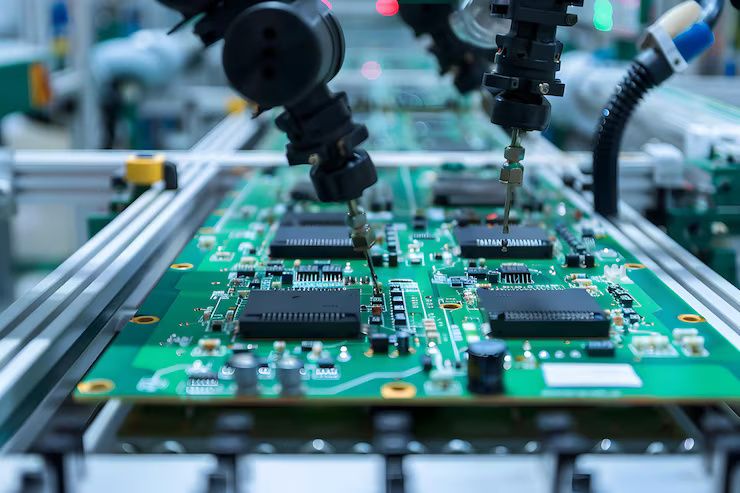
Modern semiconductor fabrication facilities produce chips used in:
- Smartphones and computers
- Automotive electronics
- Telecommunications equipment
- Industrial automation systems
- Medical devices
- Consumer electronics
- Renewable energy systems
- Artificial intelligence hardware
Semiconductor manufacturing combines material science, chemical engineering, photolithography, and precision machinery to create microscopic electronic circuits on silicon wafers. These circuits contain millions or billions of transistors that process and store digital information.
Importance
Semiconductor manufacturing plays an important role in global technology infrastructure and industrial development. Semiconductor chips are essential components in communication systems, transportation networks, healthcare equipment, and digital services.
Support for Modern Electronics
Most modern electronic products depend on semiconductor devices for data processing, memory storage, and system control. Integrated circuits are used in both consumer electronics and industrial systems.
Examples include:
- Mobile processors in smartphones
- Memory chips in computers
- Sensors in automotive systems
- Power management chips in appliances
Without semiconductor manufacturing, many modern technologies would not function.
Industrial and Economic Impact
The semiconductor industry supports manufacturing, research, logistics, and technology development across multiple sectors. Semiconductor production facilities require advanced machinery, precision materials, and highly controlled production environments.
Industries connected to semiconductor applications include:
| Industry | Semiconductor Application | Purpose |
|---|---|---|
| Automotive | Electronic control units | Vehicle system management |
| Telecommunications | Network processors | Data communication |
| Healthcare | Medical imaging systems | Diagnostic equipment |
| Renewable Energy | Power control circuits | Energy management |
| Industrial Automation | Sensor and controller chips | Process monitoring |
Semiconductor manufacturing also influences global supply chains and international trade.
Growth of Digital Infrastructure
As cloud computing, artificial intelligence, and connected devices expand, demand for semiconductor components continues increasing. Data centers, communication networks, and automation systems rely on advanced chips for computing performance and energy efficiency.
Semiconductor technologies support:
- Internet infrastructure
- Wireless communication systems
- Smart manufacturing systems
- Consumer electronics production
- Electric vehicle technologies
Technological Innovation
Advances in semiconductor fabrication contribute to smaller, faster, and more energy-efficient electronic devices. Improvements in chip design and manufacturing processes allow electronic products to handle increasing amounts of data and processing tasks.
Research areas include:
- High-performance processors
- Advanced memory systems
- Quantum computing materials
- Artificial intelligence accelerators
- Low-power semiconductor devices
Chip Fabrication Process
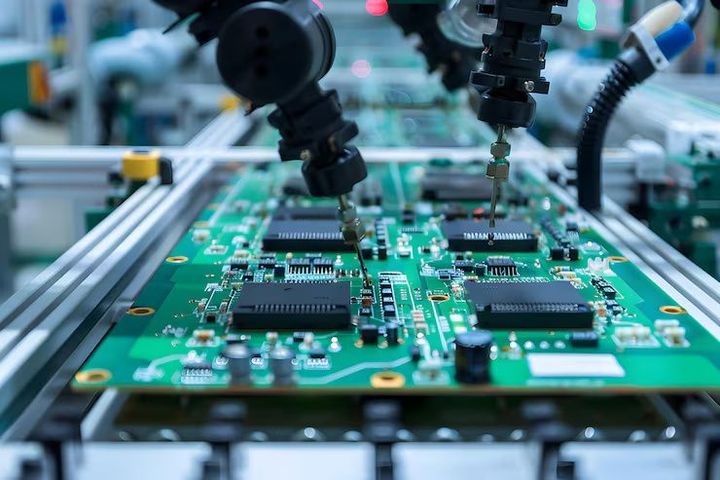
Semiconductor manufacturing involves multiple highly controlled production stages. These processes are performed inside cleanroom facilities designed to reduce dust, contamination, and environmental variations.
Silicon Wafer Production
The semiconductor fabrication process begins with silicon wafer manufacturing. High-purity silicon crystals are produced and sliced into thin circular wafers.
Wafer preparation includes:
- Crystal growth
- Wafer slicing
- Surface polishing
- Cleaning and inspection
These wafers act as the foundation for integrated circuit production.
Photolithography
Photolithography is one of the most important semiconductor manufacturing processes. This technique transfers microscopic circuit patterns onto the silicon wafer using light-sensitive materials and ultraviolet light.
The process generally includes:
- Applying photoresist coating
- Exposing circuit patterns
- Developing the wafer surface
- Removing unwanted material
Modern chip fabrication uses highly advanced photolithography systems capable of producing extremely small circuit features.
Etching and Material Removal
After photolithography, etching processes remove selected materials from the wafer surface to create electronic circuit structures.
Common etching methods include:
- Wet chemical etching
- Plasma etching
- Reactive ion etching
These techniques help form transistor structures and electrical pathways within the semiconductor device.
Doping and Ion Implantation
Doping introduces controlled impurities into the silicon wafer to modify electrical conductivity. Ion implantation systems insert specific atoms into semiconductor regions to create electronic properties required for transistors and circuits.
This process supports:
- Current control
- Signal switching
- Semiconductor conductivity adjustment
Precise doping control is essential for chip performance and reliability.
Thin Film Deposition
Thin film deposition adds insulating and conductive material layers onto the wafer surface.
Deposition methods include:
- Chemical vapor deposition
- Physical vapor deposition
- Atomic layer deposition
These layers form electrical connections and protective structures within the integrated circuit.
Testing and Packaging
After fabrication, semiconductor wafers undergo electrical testing to identify functional chips. Individual chips are then separated from the wafer and packaged into protective housings.
Packaging stages may include:
- Wire bonding
- Encapsulation
- Heat management installation
- Final inspection and testing
Packaged semiconductor devices are then prepared for integration into electronic systems.
Advanced Electronics Applications
Semiconductor manufacturing supports a wide range of advanced electronics applications across industrial and consumer sectors.
Consumer Electronics
Smartphones, tablets, laptops, gaming systems, and wearable devices rely on semiconductor chips for processing, memory, and communication functions.
Important semiconductor components include:
- Central processing units (CPUs)
- Graphics processors (GPUs)
- Memory chips
- Wireless communication chips
Consumer electronics remain one of the largest semiconductor application sectors.
Automotive Electronics
Modern vehicles use semiconductor devices for safety systems, navigation, battery management, and engine control.
Automotive semiconductor applications include:
- Driver assistance systems
- Electric vehicle power management
- Sensor systems
- Infotainment controls
Electric vehicle production has increased demand for power semiconductor technologies.
Artificial Intelligence Systems
Artificial intelligence platforms use advanced semiconductor processors designed for high-speed data analysis and machine learning operations.
AI-related semiconductor technologies include:
- Neural processing units
- Data center accelerators
- High-performance GPUs
- Edge computing chips
These systems support cloud computing and advanced analytics applications.
Industrial Automation
Factories and industrial facilities use semiconductor devices in sensors, robotics, programmable controllers, and machine monitoring systems.
Industrial applications include:
- Smart manufacturing systems
- Machine vision equipment
- Process control systems
- Industrial communication networks
Semiconductor technologies support automation and industrial digitization efforts.
Recent Updates
Between 2024 and 2026, semiconductor manufacturing has experienced several technological and industrial developments.
Expansion of Advanced Chip Production
Semiconductor manufacturers continue developing smaller and more complex chip fabrication processes designed for higher performance and reduced energy usage.
Recent developments include:
- Advanced transistor architectures
- High-density memory technologies
- Improved chip packaging methods
- Multi-chip integration systems
Artificial Intelligence Hardware Growth
Demand for AI-related semiconductor hardware has increased significantly due to expanded use of machine learning systems and cloud computing infrastructure.
This trend has influenced:
- Data center processor production
- AI accelerator development
- High-bandwidth memory systems
- Energy-efficient computing research
Regional Semiconductor Manufacturing Programs
Several countries have expanded semiconductor manufacturing initiatives to strengthen domestic chip production capacity and reduce supply chain risks.
Programs often focus on:
- Research facilities
- Manufacturing infrastructure
- Technical workforce development
- Advanced fabrication technologies
Sustainable Manufacturing Efforts
Semiconductor fabrication facilities are also focusing on water conservation, energy efficiency, and waste reduction practices.
Environmental initiatives include:
- Water recycling systems
- Energy-efficient cleanroom operations
- Chemical waste management improvements
- Reduced process emissions
Laws or Policies
Semiconductor manufacturing is influenced by industrial regulations, trade policies, environmental standards, and technology security programs.
Environmental Regulations
Semiconductor fabrication facilities must follow environmental guidelines related to:
- Chemical handling
- Wastewater treatment
- Air emissions
- Hazardous material management
These regulations help reduce environmental impact from manufacturing activities.
Technology and Export Policies
Governments may regulate semiconductor technologies through export controls and industrial security programs. These policies often relate to advanced computing technologies and international trade considerations.
Workplace Safety Standards
Semiconductor manufacturing facilities must maintain controlled environments and follow workplace safety procedures related to:
- Chemical exposure
- Cleanroom operations
- Equipment handling
- Electrical systems
Safety management is important in fabrication facilities due to the use of specialized materials and production equipment.
Tools and Resources
Several technical tools and digital systems support semiconductor manufacturing operations and chip design processes.
Electronic Design Automation Software
Electronic design automation (EDA) software helps engineers create and simulate integrated circuit designs.
Functions include:
- Circuit layout design
- Chip simulation
- Verification testing
- Manufacturing process modeling
These tools are widely used during semiconductor development.
Semiconductor Inspection Systems
Inspection technologies monitor wafer quality and production accuracy during fabrication.
Systems may include:
- Optical inspection equipment
- Electron microscopy systems
- Defect detection software
- Process monitoring sensors
These tools support manufacturing precision and quality control.
Manufacturing Execution Systems
Semiconductor fabrication facilities use manufacturing execution systems to coordinate production activities, monitor equipment status, and manage workflow operations.
FAQs
What is semiconductor manufacturing?
Semiconductor manufacturing is the process of producing integrated circuits and electronic chips using silicon wafers, photolithography, etching, deposition, and testing technologies.
What are semiconductor chips used for?
Semiconductor chips are used in smartphones, computers, vehicles, industrial automation systems, medical devices, communication networks, and consumer electronics.
How does the chip fabrication process work?
The chip fabrication process involves wafer preparation, photolithography, etching, doping, thin film deposition, testing, and semiconductor packaging stages.
Why are cleanrooms important in semiconductor manufacturing?
Cleanrooms help reduce dust, particles, and contamination that could damage microscopic semiconductor circuits during fabrication.
Which industries depend on advanced electronics applications?
Industries depending on advanced electronics applications include automotive manufacturing, telecommunications, healthcare, renewable energy, industrial automation, and consumer electronics.
Conclusion
Semiconductor manufacturing is a critical part of modern electronics production and digital infrastructure development. The chip fabrication process combines precision engineering, advanced materials, and automated manufacturing technologies to create semiconductor devices used across many industries. Semiconductor applications support communication systems, industrial automation, artificial intelligence, transportation, and consumer electronics. Recent developments in advanced chip production, AI hardware, and sustainable manufacturing continue shaping the semiconductor industry. Regulations, environmental standards, and technology policies also influence semiconductor manufacturing operations and global supply chains.